
Introduction
Testosterone is a vital hormone that plays a foundational role in men’s physical strength, energy levels, mood regulation, muscle mass, and overall vitality. While hormone levels naturally fluctuate with age, modern lifestyle factors, daily routines, and hidden environmental habits can cause premature declines in testosterone production. When hormone levels drop unexpectedly, individuals often experience chronic fatigue, loss of muscle tone, mood changes, and reduced physical performance.
Understanding what causes testosterone depletion allows you to take control of your health, optimize your daily routine, and avoid unnecessary medical or supplemental expenses. Examining the everyday habits that interfere with endocrine function empowers you to make smarter choices for long-term physical wellness and vitality.
The Role of Testosterone in Male Health
Testosterone is primarily produced in the testicles and is regulated by the brain’s hypothalamus and pituitary gland. It influences numerous physiological systems far beyond reproductive health.
Why Hormone Balance Matters
- Metabolic Function: Adequate testosterone levels help regulate fat distribution, insulin sensitivity, and lean muscle mass development.
- Energy and Cognitive Performance: Optimal hormone balance supports mental focus, motivation, drive, and sustained daily stamina.
6 Bad Habits That Destroy Your Testosterone
Certain everyday behaviors and environmental exposures can disrupt hormonal pathways and suppress testosterone synthesis over time.
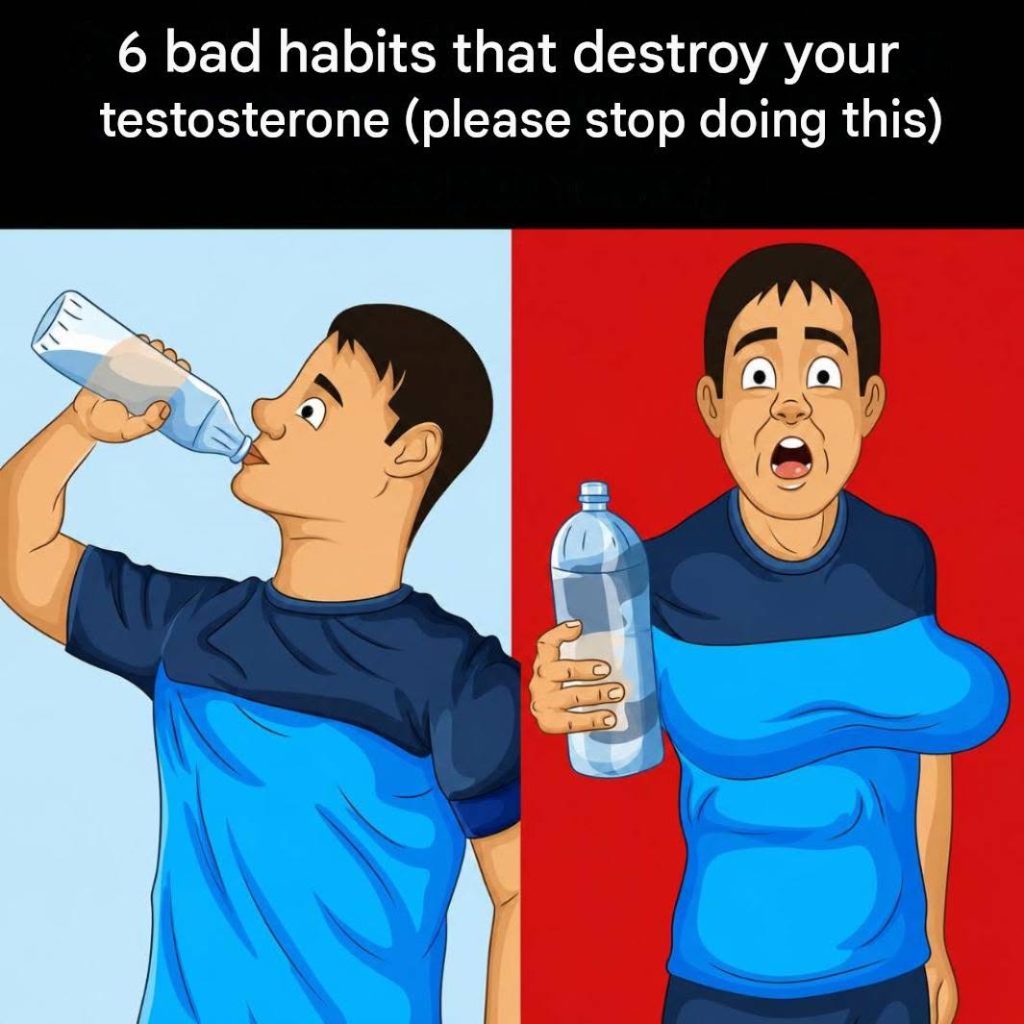
1. Drinking from Plastic Bottles Containing Endocrine Disruptors
Consuming water or beverages from certain plastic containers—especially when exposed to heat—can introduce synthetic chemicals like bisphenols and phthalates into the body.
- Xenoestrogens: These chemicals mimic estrogen in the human body, competing with natural hormones and potentially suppressing testosterone production.
- Choosing Alternatives: Switch to glass, stainless steel, or BPA-free containers to minimize exposure to endocrine-disrupting plastics.
2. Chronic Sleep Deprivation
Sleep is the primary window during which the body manufactures and regulates hormones.
- Restricted Synthesis: The majority of daily testosterone release occurs during deep sleep and REM cycles. Chronic late nights or poor sleep quality drastically lower morning testosterone levels.
- Elevated Cortisol: Lack of sleep spikes stress hormones like cortisol, which acts as a direct antagonist to testosterone.
3. Excessive Sugar and Processed Diet Consumption
A diet high in refined sugars, simple carbohydrates, and processed trans fats harms metabolic health.
- Insulin Resistance: Chronically high blood sugar and insulin resistance are directly linked to suppressed testosterone levels and increased abdominal fat storage.
4. Sedentary Lifestyle and Lack of Resistance Training
Muscles require mechanical loading and movement to maintain optimal hormonal signaling.
- Physical Inactivity: Spending prolonged hours sitting without engaging in regular exercise or weightlifting reduces metabolic demand and lowers natural hormone production.
5. Chronic High Stress and Elevated Cortisol
Modern work and lifestyle pressures can trap the body in a constant “fight or flight” response.
- Hormonal Suppression: Prolonged elevation of cortisol suppresses the hypothalamic-pituitary-gonadal (HPG) axis, effectively shutting down testosterone synthesis.
6. Excessive Alcohol Consumption
While occasional relaxation drinks are common, heavy or frequent alcohol intake directly damages testicular Leydig cells.
- Impaired Production: Alcohol inhibits the enzymes necessary for testosterone synthesis and increases the conversion of testosterone into estrogen.
Practical Tips for Boosting and Protecting Testosterone
Reversing negative hormonal trends involves implementing consistent, healthy lifestyle habits that support endocrine function naturally.
- Prioritize Strength Training: Engage in compound resistance exercises like squats, deadlifts, and bench presses 3 to 4 times a week to stimulate natural testosterone release.
- Optimize Sleep Hygiene: Aim for 7 to 9 hours of uninterrupted, quality sleep every night in a cool, dark room.
- Focus on Whole Foods: Consume a balanced diet rich in healthy fats (such as eggs, avocados, and nuts), lean proteins, and micronutrients like zinc and vitamin D.
- Manage Financial and Life Stress: Effective budgeting, financial planning, and stress reduction techniques help lower systemic anxiety, supporting better overall health and hormone balance.
Interesting Facts About Testosterone
- Daily Rhythms: Testosterone levels peak sharply in the early morning hours, which is why morning workouts or energy levels often feel highest.
- Global Trends: Average male testosterone levels have seen a gradual decline across industrialized nations over the past several decades, largely driven by environmental factors and sedentary lifestyles.
- The Exercise Effect: Heavy resistance training triggers an acute, temporary surge in testosterone and growth hormone production.
Conclusion
Protecting your hormone health is essential for maintaining strength, energy, and long-term vitality as you age. By eliminating harmful daily habits—such as using plastic bottles with endocrine disruptors, eating excessive sugar, and skipping sleep—you can reclaim your physical performance and well-being. Small, intentional changes to your daily routine yield powerful dividends for your endocrine system and overall health.
FAQ Section
Can low testosterone be reversed naturally?
Yes, in many cases, lifestyle modifications such as improving sleep, reducing sugar intake, lifting weights, and eliminating exposure to endocrine disruptors can significantly boost testosterone levels.
Does drinking water from plastic bottles really affect hormones?
Certain plastics contain chemical additives like phthalates and bisphenols that can leach into liquids and act as endocrine disruptors, potentially interfering with normal hormone production.
How much sleep is needed to maintain healthy testosterone?
Getting 7 to 9 hours of quality sleep per night is generally recommended to allow the body adequate time for nighttime hormone synthesis and recovery.
What foods help support natural testosterone levels?
Foods rich in healthy fats, vitamin D, and zinc—such as eggs, grass-fed meats, nuts, seeds, and fatty fish—support healthy endocrine function.
