
Introduction
Encountering wildlife can be an exciting part of outdoor exploration, hiking, or rural living, but unexpected animal interactions can also present safety challenges. Among various wilderness hazards, snakebites demand immediate awareness, calm decision-making, and correct first aid protocols. Whether exploring wooded trails or tending to a garden, knowing how to distinguish between venomous and non-venomous snake bites—and understanding the vital first steps to take—can protect your health and potentially save a life.
While many snakes are harmless and prefer to avoid humans, being prepared with accurate medical knowledge ensures you respond correctly during an emergency. Understanding proper safety measures also helps you minimize out-of-pocket medical expenses, avoid risky folklore treatments, and seek appropriate professional legal or medical services when health emergencies arise.
Identifying Snake Bites: Venomous vs. Non-Venomous
Understanding the physical characteristics and bite patterns of different snakes helps guide your initial response, though identifying the snake should never delay professional medical care.
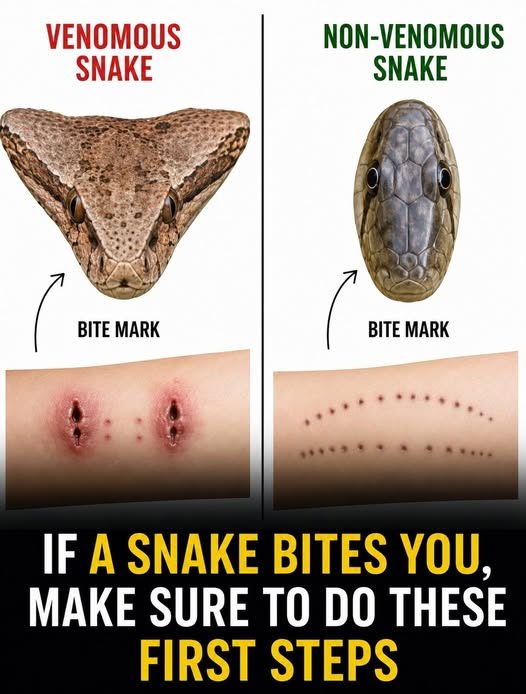
1. Venomous Snake Bite Characteristics
Venomous snakes—such as pit vipers, rattlesnakes, copperheads, and cottonmouths—typically possess specialized hinged fangs used to inject toxins.
- Puncture Marks: A venomous snake bite often leaves distinct double puncture wounds caused by the long front fangs.
- Rapid Symptoms: Swelling, localized pain, discoloration, and systemic symptoms can develop rapidly around the wound site.
2. Non-Venomous Snake Bite Characteristics
Non-venomous snakes lack specialized venom delivery fangs and rely on rows of small, sharp teeth to secure prey.
- Arc-Shaped Impressions: Non-venomous bites typically leave a horseshoe-shaped pattern of small superficial scratches or tooth marks rather than deep puncture wounds.
- Lower Medical Risk: While any animal bite carries a risk of bacterial infection, non-venomous bites do not inject neurotoxins or hemotoxins into the bloodstream.
Crucial First Steps If a Snake Bites You
If you or someone nearby is bitten by a snake, taking immediate, calm, and correct action is critical for minimizing complications.
1. Move to a Safe Distance
- Prevent Secondary Strikes: Calmly back away from the snake to ensure it cannot strike again. Do not attempt to capture, kill, or handle the snake, as even a severed snake head can reflexively bite.
2. Stay Calm and Limit Movement
- Slow the Heart Rate: Panic and vigorous movement increase heart rate, which can circulate venom through the bloodstream faster. Keep the victim as still and calm as possible.
3. Remove Constrictive Items
- Prevent Swelling Complications: Immediately remove rings, watches, bracelets, and tight clothing near the bite area before swelling begins.
4. Position the Wound Properly
- Keep Below the Heart: Keep the bitten extremity at or slightly below heart level to slow the spread of venom through the lymphatic and circulatory systems.
Dangerous First Aid Myths to Avoid
Many traditional home remedies for snakebites are not only ineffective but can cause severe additional injury. Avoid the following dangerous practices:
- Do Not Apply a Tourniquet: Restricting blood flow entirely can lead to tissue death and necessitate limb amputation.
- Do Not Cut the Wound: Attempting to cut open the bite marks or extract venom manually damages nerves and blood vessels while increasing infection risks.
- Do Not Apply Ice: Extreme cold damages tissue and worsens localized injury.
- Do Not Consume Alcohol or Caffeine: These substances dilate blood vessels and can accelerate the systemic absorption of venom.
Practical Tips for Staying Safe Outdoors
Prevention is always the best defense against wildlife encounters. Incorporating simple safety habits into your outdoor activities protects you and your family.
- Wear Sturdy Footwear: Always wear high-top boots and long pants when walking through tall grass, rocky terrain, or dense brush.
- Watch Where You Step and Place Hands: Avoid stepping blindly over logs, lifting large rocks, or reaching into dark crevices without checking first.
- Use a Walking Stick: Tapping the ground ahead of you alerts snakes to your presence, giving them time to slither away safely.
- Plan Ahead and Stay Insured: Reviewing your health insurance coverage and emergency medical preparedness ensures peace of mind during outdoor adventures.
Interesting Facts About Snakes and First Aid
- Global Impact: Millions of snakebites occur worldwide annually, making prompt access to antivenom a crucial component of global public health.
- Camouflage Masters: Many venomous snakes possess extraordinary natural camouflage, blending seamlessly into leaf litter, sand, and tree bark.
- Warning Rattles: Rattlesnakes vibrate their tail keratin segments as a defensive warning mechanism to alert intruders before striking.
Conclusion
Knowing how to respond during a snakebite emergency can make all the difference in ensuring a safe recovery. By staying calm, avoiding dangerous traditional myths, and seeking immediate professional medical care, you protect your health and well-being. Equipping yourself with accurate knowledge transforms fear into confidence, allowing you to enjoy the great outdoors safely.
FAQ Section
What is the very first thing you should do after a snakebite?
Move away from the snake to a safe distance, stay as calm as possible, and immobilize the affected limb to slow down heart rate and circulation.
Should you ever try to suck out the venom?
No. Oral venom extraction is ineffective and can introduce harmful bacteria from the mouth into the wound, increasing the risk of infection.
When should you call emergency services?
Call emergency medical services immediately if you suspect or know a venomous snake has bitten someone, even if symptoms do not appear right away.
Do all snakebites require antivenom?
Not all snakebites require antivenom; non-venomous bites or dry bites (where no venom is injected) are treated with standard wound care and tetanus boosters. A medical evaluation is always necessary to determine the correct treatment.
