
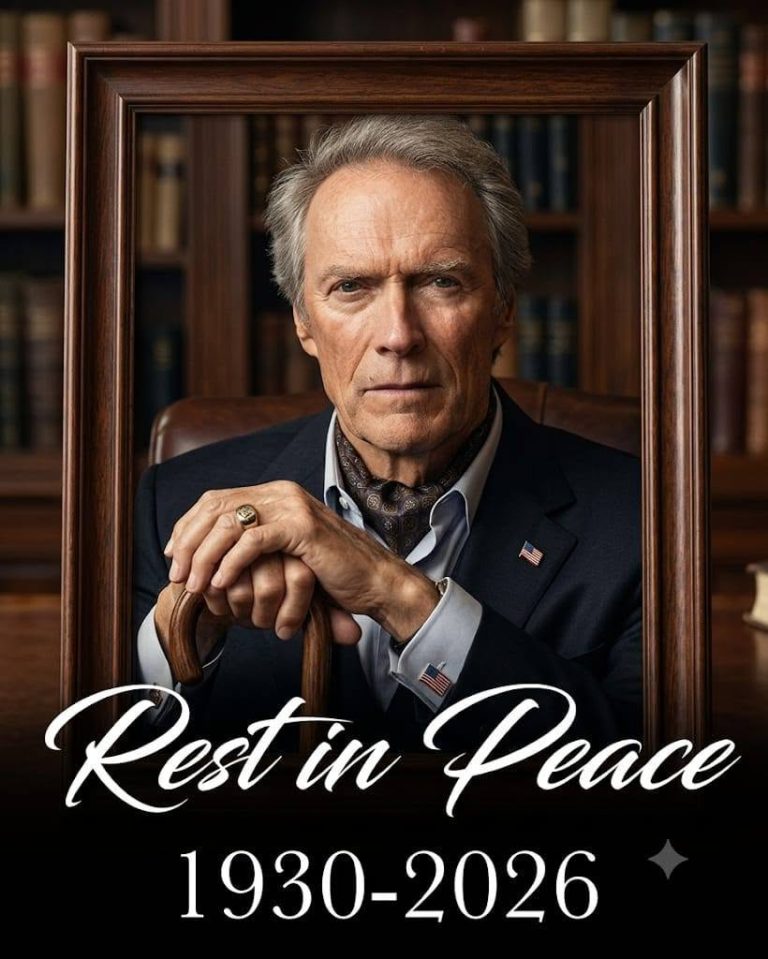
Introduction
Throughout the history of cinema, few figures have captured the rugged spirit, determination, and cultural footprint of American storytelling quite like Clint Eastwood. From his early days starring in groundbreaking spaghetti westerns to directing critically acclaimed masterpieces that secured Academy Awards, his career spans over seven decades of unmatched dedication to the silver screen. When iconic cultural figures pass away, generations of fans pause to reflect on their monumental contributions to art, entertainment, and global culture.
Exploring the remarkable journey of a cinematic legend provides more than just a walk down memory lane; it highlights the perseverance, reinvention, and artistic evolution required to remain relevant across generations. Understanding how legendary artists shape modern media offers deep appreciation for the craft of filmmaking and its lasting impact on society.
The Rise of a Cinematic Icon
Clint Eastwood’s path to superstardom was built on hard work, distinct screen presence, and an uncanny ability to choose unforgettable roles that resonated with global audiences.
1. The Spaghetti Western Era
In the 1960s, Eastwood achieved international fame through his collaboration with Italian director Sergio Leone in the classic “Dollars Trilogy” (A Fistful of Dollars, For a Few Dollars More, and The Good, the Bad and the Ugly).
- The Man with No Name: His iconic portrayal of the stoic, rugged anti-hero redefined the Western genre, establishing a new archetype in cinematic history.
- Global Appeal: These films captured the imagination of viewers worldwide, transforming Eastwood into an international box office powerhouse.
2. Transition to Powerful Directing and Drama
Rather than resting on his laurels as an action star, Eastwood transitioned seamlessly into directing, eventually establishing himself as one of Hollywood’s most respected auteurs.
- Critical Acclaim: Directing masterpieces such as Unforgiven, Million Dollar Baby, and Mystic River earned him multiple Academy Awards for Best Director and Best Picture.
- Complex Storytelling: His later directorial works explored deep moral dilemmas, human vulnerability, and the complexities of aging, cementing his legacy far beyond action cinema.
Practical Lessons from a Legendary Career
Examining the professional longevity of icons like Clint Eastwood reveals valuable principles that apply to career development, perseverance, and personal growth.
- Embrace Reinvention: Success often requires adapting to new roles and challenges, shifting from actor to director as your career evolves.
- Maintain Relentless Work Ethic: Eastwood was famously known for his efficiency on set, often shooting fewer takes and respecting the crew’s time and talent.
- Pursue Lifelong Passions: Continuing to work and create well into advanced age demonstrates that dedication to your craft knows no expiration date.
- Manage Personal Finance Wisely: Securing long-term financial independence through smart investments and planning allows artists and professionals the creative freedom to pursue projects they truly love.
Interesting Facts About Clint Eastwood
- Musical Talents: Beyond acting and directing, Eastwood is an accomplished pianist and jazz composer who has scored the music for several of his own films.
- Directorial Efficiency: He is legendary in Hollywood for completing film projects under budget and often ahead of schedule.
- Cultural Legacy: His distinct screen persona and unforgettable film quotes have become permanent fixtures of global pop culture.
Conclusion
The passing of a legendary cultural figure like Clint Eastwood marks the end of an extraordinary era in Hollywood history. His towering legacy—built through iconic performances, masterful directing, and uncompromising artistic vision—will continue to inspire future generations of filmmakers and movie lovers alike. Celebrating his remarkable life reminds us of the enduring power of great storytelling and dedication to one’s craft.
FAQ Section
What were Clint Eastwood’s most famous early roles?
He gained international fame starring in Sergio Leone’s “Dollars Trilogy” westerns during the 1960s, as well as playing the gritty detective in the Dirty Harry franchise.
How many Academy Awards did Clint Eastwood win?
Clint Eastwood won four Academy Awards, including two for Best Director and two for Best Picture for Unforgiven (1992) and Million Dollar Baby (2004).
Did Clint Eastwood direct his own films?
Yes, Eastwood directed a vast majority of the films he starred in later in his career, alongside numerous acclaimed projects where he worked solely behind the camera.
What is Clint Eastwood’s musical background?
He has a deep lifelong passion for jazz music, has composed scores for several of his films, and is an accomplished pianist.
