
Introduction
Quality sleep is essential for physical restoration, mental clarity, and long-term vitality. While getting enough hours of rest is crucial, the position in which you sleep plays a surprisingly profound role in your overall well-being. From managing digestive comfort to supporting neurological and lymphatic drainage, how your body is positioned throughout the night can significantly influence your health.
Among various sleeping positions, sleeping on the left side has garnered immense attention from health experts and wellness enthusiasts alike. Understanding the anatomical advantages of left-side sleeping can help you optimize your nightly rest, reduce unwanted health discomforts, and support your body’s natural restorative processes.
Anatomical Advantages of Sleeping on the Left Side
The human body is asymmetrical, meaning internal organs are positioned unevenly within the torso. Because of this distinct layout, sleeping on one side versus the other yields very different physiological effects.
1. Digestive Support and Acid Reflux Relief
The stomach sits predominantly on the upper left side of the abdominal cavity.
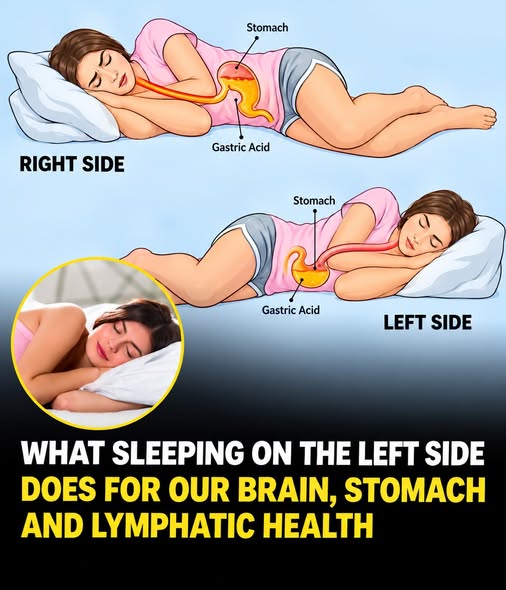
- Gravity and Gastric Acid: When you sleep on your right side, the gastric junction is positioned below the level of gastric acid, making it easier for acid to flow upward into the esophagus and trigger heartburn.
- Natural Barrier: Sleeping on the left side keeps the gastric junction above the level of stomach acid, utilizing gravity to prevent unwanted reflux and promote smoother nighttime digestion.
2. Enhancing Lymphatic Drainage and Brain Health
The lymphatic system plays a vital role in filtering toxins, waste products, and cellular debris from the body.
- The Thoracic Duct: The body’s main lymphatic duct is located on the left side. Lying on your left side facilitates gravity-assisted lymphatic drainage toward this major duct.
- Brain Waste Clearance: Recent neurological studies suggest that sleeping on your side—particularly the left—supports the glymphatic system, helping the brain efficiently clear out metabolic waste products accumulated during waking hours.
Practical Tips for Improving Your Nightly Sleep Posture
Transitioning to left-side sleeping can take a little practice, especially if you are accustomed to sleeping on your back or right side.
- Use Supportive Pillows: Place a firm pillow between your knees to keep your spine aligned and reduce pressure on your lower back and hips.
- Support Your Neck: Choose a pillow that fills the gap between your mattress and ear, keeping your neck neutral and free from tension.
- Embrace Ergonomic Aids: Body pillows can help prevent you from rolling onto your back or stomach during the night, keeping you comfortably positioned on your left side.
- Manage Lifestyle Stress: Incorporating relaxing evening routines, mindfulness, or effective personal budgeting and financial planning reduces bedtime anxiety and promotes deeper sleep quality.
Interesting Facts About Sleep Positions
- Side Sleeping Prevalence: Side sleeping is the most common sleeping position globally, chosen by more than 60 percent of adults.
- Circulatory Benefits: Left-side sleeping is also frequently recommended during pregnancy because it prevents the growing uterus from placing heavy pressure on the inferior vena cava, enhancing blood flow to the heart.
- Organ Alignment: The anatomical placement of the liver and stomach makes left-side sleeping uniquely beneficial for gastrointestinal efficiency.
Conclusion
Making a simple adjustment to how you position your body at night can yield remarkable benefits for your digestive system, lymphatic drainage, and neurological health. By consciously choosing to sleep on your left side, you align with your body’s natural anatomy, reducing acid reflux and encouraging efficient waste clearance. Small nightly habits pave the way for better mornings, greater vitality, and long-term wellness.
FAQ Section
Is sleeping on the left side safe for everyone?
Yes, left-side sleeping is generally safe and beneficial for most individuals, particularly those experiencing acid reflux or digestive sluggishness. However, individuals with certain shoulder injuries may find it uncomfortable.
Can left-side sleeping completely cure acid reflux?
While left-side sleeping uses gravity to significantly reduce acid reflux episodes, it is most effective when combined with other lifestyle measures, such as avoiding heavy meals right before bedtime.
How can I train myself to stay on my left side?
Using a body pillow to support your back or placing a tennis ball in a pocket on the back of your sleep shirt can discourage you from rolling over during the night.
Does side sleeping cause facial wrinkles?
Side sleeping can create compression lines on the face over time. Using silk or satin pillowcases can help reduce friction and minimize skin creases.
