
Cleaning the oven is universally regarded as one of the most tedious, messy, and physically demanding household chores. Between baked-on grease spills, carbonized food splatters, and harsh chemical fumes from traditional commercial oven sprays, keeping your appliance spotless can quickly turn into a weekend nightmare.
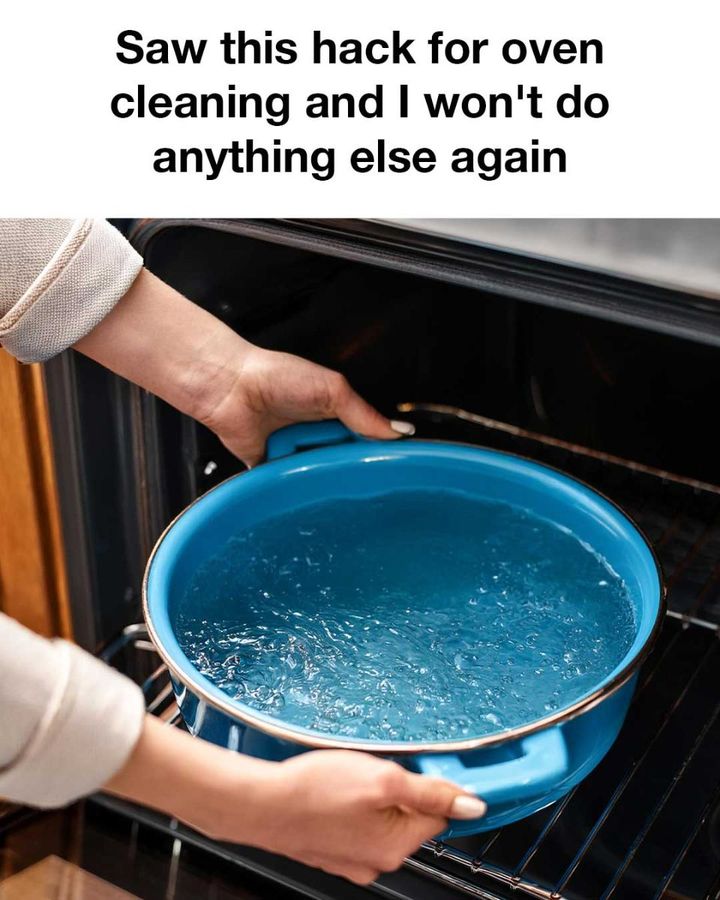
A viral cleaning trend recently swept across social media platforms, accompanied by a picture of a pot of boiling water being placed inside an oven with the caption: “Saw this hack for oven cleaning and I won’t do anything else again.”
This viral technique—often referred to as the oven steam cleaning hack or lemon-water steam method—promises to dissolve burnt-on grease without toxic fumes, heavy scrubbing, or expensive specialty products.
Does placing a pot of boiling water or lemon water inside a warm oven actually lift baked-on grime? Is it safe for electric and gas appliances? How does it compare to commercial cleaners or baking soda pastes?
This comprehensive guide breaks down the science behind steam cleaning, a step-by-step walkthrough of the exact process, safety precautions, and alternative non-toxic cleaning methods to keep your oven sparkling clean with minimal effort.
How The Steam Cleaning Oven Hack Works
The principle behind this viral cleaning method relies on simple physics and chemistry: thermal steam condensation and grease softening.
When liquid water reaches its boiling point, it converts into steam. Trapped inside the enclosed environment of an oven cavity, the hot water vapor circulates continuously, penetrating dried-up food spills and hardened grease.
The Role of Natural Additives
While plain water creates effective steam, adding natural household items enhances the cleaning performance:
- Lemon Juice / Citrus Peels: Lemons contain naturally occurring citric acid and d-limonene, a natural solvent that cuts through stubborn lipid and oil buildup while leaving behind a fresh, pleasant citrus scent.
- White Distilled Vinegar: The acetic acid in vinegar helps neutralize stubborn odors and breaks down alkaline food deposits along the enamel walls.
Step-By-Step Walkthrough: The Lemon-Steam Method
To achieve optimal results without damaging your appliance or risking thermal shock, follow this straightforward step-by-step process:
Step 1: Prep Your Oven
Remove large loose food debris or crumbs from the oven floor with a paper towel. Keep the oven racks inside if you want to loosen grease on them as well.
Step 2: Prepare the Water Bath
Fill an oven-safe Dutch oven, casserole dish, or stainless steel pot with 4 to 6 cups of water. Slice two fresh lemons in half, squeeze the juice into the water, and toss the lemon halves directly into the pot. (Alternatively, add 1 cup of white distilled vinegar).
Step 3: Heat the Oven
Preheat your oven to 400°F (200°C). Place the pot onto the center rack once the oven reaches temperature, close the door, and allow the liquid to come to a rolling boil inside the sealed cavity for 20 to 30 minutes.
Step 4: Trapping the Steam
Turn off the oven power completely. Keep the oven door firmly closed for another 30 to 45 minutes. This crucial step traps the dense steam inside, allowing it to penetrate and soften baked-on grease deposits along the top, sides, and floor of the oven interior.
Step 5: Wipe Clean
Open the oven door carefully—standing back to avoid any remaining hot steam. Wait until the interior surfaces are warm to the touch (not scalding hot). Dip a non-abrasive sponge or microfiber cloth into the warm lemon water bath and wipe down the interior walls, door glass, and racks. The softened grease should wipe away with minimal pressure.
Steam Cleaning vs. Traditional Oven Cleaning Methods
Understanding how steam cleaning stacks up against other popular methods helps you choose the best option for your specific cleaning needs:
+-----------------------------------------------------------------------------------+
|                           OVEN CLEANING METHOD COMPARISON                         |
+-------------------+----------------------------+----------------------------------+
| Cleaning Method   | Ideal For                  | Primary Benefit                  |
+-------------------+----------------------------+----------------------------------+
| Lemon Steam Hack  | Light to Moderate Grease   | Non-Toxic, Zero Fumes, Fast      |
| Baking Soda Paste | Heavy Carbonized Buildup   | Deep Abrasive Scrubbing Power    |
| Self-Cleaning Cycle| Extreme Deep Cleaning     | Effortless (High Heat Caution)   |
| Commercial Sprays | Tough Burnt-On Residue     | Chemical Speed (Requires Gloves) |
+-------------------+----------------------------+----------------------------------+
Essential Safety Tips & Common Mistakes to Avoid
While steam cleaning is far safer than using harsh caustic chemicals, practicing basic kitchen safety is essential:
- Beware of Thermal Shock: Never pour cold water onto a scorching hot oven floor or hot glass door. Rapid temperature changes can cause tempered oven glass to shatter or porcelain enamel coatings to crack. Always use a heat-resistant pot or Dutch oven.
- Avoid Heating Plastic or Unsuitable Cookware: Ensure the pot or dish used is strictly rated for high oven temperatures (such as enamel-coated cast iron, stainless steel, or tempered Pyrex glass). Avoid pots with plastic handles or non-oven-safe coatings.
- Mind the Heating Elements: Ensure the water vessel does not touch or sit directly on top of electric heating coils or gas burner vents.
Financial Impact: Save Money on Household Products
Adopting eco-friendly steam cleaning provides tangible financial benefits for homeowners:
Eliminating Specialty Cleaners
Commercial oven cleaning sprays often cost upwards of $8 to $15 per can and contain harsh chemicals like sodium hydroxide (lye). Utilizing simple water, lemons, or household vinegar slashes cleaning product expenses over the course of a year.
Energy Efficiency
Running an oven’s built-in pyrolytic “Self-Clean” feature subjects the appliance to extreme temperatures exceeding 800°F (425°C) for up to 4 hours, drawing significant electricity and subjecting internal electrical components to heavy wear. The 30-minute steam hack uses a fraction of the energy while preserving appliance longevity.
Fascinating Facts About Ovens and Steam
- Inherent Steam Clean Cycles: Many modern smart ovens now include built-in “Steam Clean” settings, which utilize a shallow reservoir on the oven floor designed specifically around the same water-steam physics!
- The Magic of Citric Acid: Citric acid found in fresh lemons not only cuts grease but also acts as a natural chelating agent, binding to mineral deposits and preventing water spots on glass oven doors.
- Odor Elimination: Boiling citrus or vinegar inside an oven neutralizes lingering burnt food odors, leaving the entire kitchen smelling clean without artificial fragrance sprays.
Conclusion: A Game-Changing Kitchen Shortcut
The viral oven steam cleaning hack lives up to its online popularity as an efficient, eco-friendly, and cost-effective maintenance routine. While deeply carbonized, multi-year food crusts may still require an abrasive baking soda spot-treatment, regular steam treatments make routine oven cleaning virtually effortless.
By harnessing the power of water vapor and natural citrus acids, you can keep your oven looking pristine, eliminate harsh chemical fumes from your home, and save time and money on household maintenance.
Frequently Asked Questions
Q1: Can I use this steam method on a self-cleaning oven?
A1: Yes! Steam cleaning is safe for all oven interiors, including self-cleaning models with porcelain enamel coatings. It is a great way to maintain cleanliness without triggering intense high-heat self-clean cycles.
Q2: What should I do if grease stains remain after steam cleaning?
A2: For stubborn spots, make a simple paste using 1/2 cup of baking soda and a few tablespoons of water. Apply the paste directly to the stubborn burnt spots, let it sit for 15 minutes, and scrub gently with a non-scratch sponge.
Q3: How often should I steam clean my oven?
A3: Performing a quick 20-minute steam clean once every month (or immediately after cooking a roast or dish that splatters) prevents grease from carbonizing and hardening into stubborn black crusts.
Q4: Can I use dish soap in the water bath instead of lemons?
A4: Yes. Adding a few drops of degreasing dish soap (like Dawn) to the water bath can help loosen grease. However, avoid adding too much soap to prevent excessive bubbling or foaming.
Q5: Will steam cleaning damage electric heating elements?
A5: No. Standard electric heating elements are sealed and engineered to withstand ambient humidity and moisture. Just ensure water is not poured directly onto electrical connection points.
