
Seafood is widely celebrated as a healthy source of lean protein, essential omega-3 fatty acids, and key micronutrients. However, not all fish on supermarket shelves or restaurant menus are equally safe or environmentally sustainable.
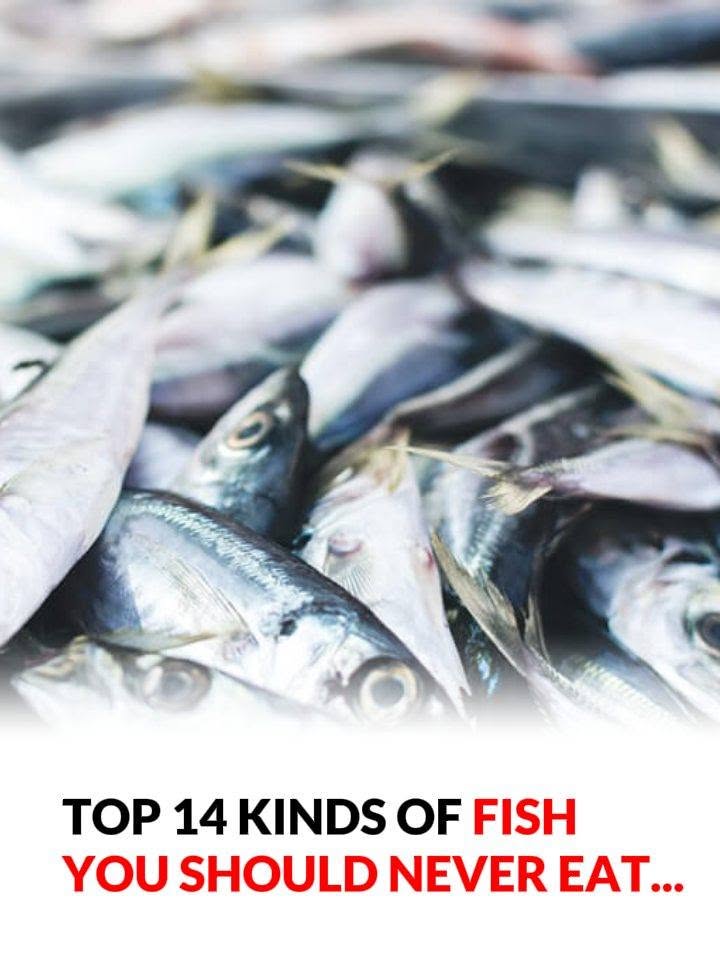
A viral social graphic titled “TOP 14 KINDS OF FISH YOU SHOULD NEVER EAT…” features a stack of fresh silvery fish, drawing attention to the hidden health and ecological risks associated with certain popular species.
From heavy metal accumulation to destructive farming practices and environmental toxins, choosing the wrong seafood can pose serious long-term health concerns.
Here is a full breakdown of 14 fish species you should avoid or limit, why they present health or ecological concerns, and smart, safe alternatives to purchase instead.
Why Certain Fish Pose Health and Environmental Risks
Seafood warnings generally stem from three primary safety and sustainability issues:
+-----------------------------------------------------------------------------------+
|                        SEAFOOD HAZARD COMPARISON TABLE                            |
+-------------------+----------------------------+----------------------------------+
| Primary Concern   | Cause / Biological Mechanism| Typical Health / Ecological Impact|
+-------------------+----------------------------+----------------------------------+
| Bioaccumulation   | Apex predators consume     | High mercury toxicity affecting  |
| (Heavy Metals)    | smaller fish, absorbing toxins| nervous system & brain health |
| Poor Aquaculture  | Overcrowded sea cages,     | Antibiotic buildup, parasite bloom|
| Practices         | chemical treatments & waste| and native habitat pollution     |
| Overfishing &     | Unsustainable harvesting   | Depletion of wild marine populations|
| Bycatch           | methods (e.g., bottom trawling)| & destruction of ocean ecosystems|
+-------------------+----------------------------+----------------------------------+
14 Fish You Should Avoid or Limit
1. Tilefish (Gulf of Mexico)
Tilefish carry some of the highest recorded levels of methylmercury among all marine life due to their long lifespans and apex predator status.
2. Swordfish
As large predatory fish, swordfish bioaccumulate high concentrations of heavy metals over their long life cycles.
3. King Mackerel
Unlike smaller mackerel species, King Mackerel is high on the marine food chain and contains elevated mercury levels that make it unsafe for frequent consumption.
4. Shark
Shark meat contains high mercury levels and often harbors uric acid buildup, which requires extensive soaking to mitigate unpalatable odors and health risks.
5. Imported Farmed Catfish (Swai / Pangasius)
Often sold cheaply under names like Swai or Basa, imported Asian catfish are frequently raised in heavily polluted river basins with minimal regulatory oversight regarding antibiotic use.
6. Farmed Atlantic Salmon
Unlike wild Pacific salmon, farm-raised Atlantic salmon are often kept in crowded net pens where they accumulate higher levels of PCBs (polychlorinated biphenyls), dioxins, and synthetic dyes added to feed.
7. Chilean Sea Bass (Patagonian Toothfish)
Chilean Sea Bass suffers from severe historical overfishing and illegal poaching. Additionally, adult toothfish contain moderate to high mercury concentrations.
8. Orange Roughy
Orange Roughy can live for over 100 to 150 years. Because they mature extremely slowly, their populations take decades to recover from commercial overfishing, and older fish accumulate high mercury levels over time.
9. Bigeye & Ahi (Yellowfin) Tuna
While canned light tuna (skipjack) is generally lower in mercury, large sushi-grade species like Bigeye and Yellowfin accumulate significant heavy metals and face severe overfishing pressure.
10. Imported Farmed Shrimp
A large percentage of imported cheap farmed shrimp comes from regions where mangrove forests are destroyed to build ponds treated with banned antibiotics and chemicals.
11. Grouper
Grouper species accumulate moderate to high levels of mercury and are prone to carrying ciguatoxin—a naturally occurring marine toxin produced by tropical reef microalgae.
12. Escolar (Oilfish / “White Tuna”)
Frequently mislabeled as “super white tuna” at sushi bars, Escolar contains high amounts of gempylotoxin (indigestible wax esters) that cause severe gastrointestinal distress and keriorrhea.
13. Bluefin Tuna
Atlantic and Pacific Bluefin Tuna populations have been severely depleted by global sushi demand. As top ocean predators, they also carry high mercury loads.
14. American Eel (Unagi)
Frequently served in Japanese cuisine, wild eel populations suffer from extreme overharvesting, while farmed eel relies heavily on catching vulnerable wild glass eels to stock farms.
Safer, Low-Mercury, and Sustainable Seafood Alternatives
You don’t need to eliminate seafood from your diet altogether. Instead, focus on smaller, fast-growing, wild-caught species:
- Wild-Caught Alaskan Salmon: Rich in healthy omega-3 fatty acids, low in contaminants, and managed under strict sustainable fishery laws.
- Sardines & Anchovies: Small forage fish at the bottom of the food chain that accumulate virtually no mercury while offering dense nutrient profiles.
- Rainbow Trout (Farmed in US): Raised in ecologically controlled freshwater raceways with strict safety guidelines and minimal pollution risks.
- Pacific Halibut & Cod: Excellent lean protein choices harvested under well-regulated, sustainable quotas.
Financial Impact: Shopping Smart at the Seafood Counter
Making informed seafood choices protects both your health and your grocery wallet:
- Buying Frozen Wild-Caught Over “Fresh” Defrosted: Flash-frozen wild fish retains maximum freshness and nutritional value at a fraction of the cost of counter display fish.
- Choosing Small Forage Fish: Canned wild sardines, mackerel, and wild salmon cost significantly less per portion than premium Chilean sea bass or tuna steaks while providing superior omega-3 density.
Fascinating Facts About Marine Biology
- The Rule of Bioaccumulation: Mercury concentrations increase by up to 10 times at each step up the marine food chain—meaning apex predators like sharks carry tens of thousands of times more mercury than plankton feeders.
- Age in the Deep Sea: Orange Roughy do not reach reproductive maturity until they are roughly 20 years old, making their populations exceptionally fragile to rapid harvesting.
Conclusion: Make Informed Choices for Health and Sustainability
Understanding the origin, species size, and farming practices of the fish on your plate ensures you reap the nutritional benefits of seafood without exposing your body to heavy metals or supporting destructive ocean practices.
Frequently Asked Questions
Q1: What makes a fish high in mercury?
A1: Mercury bioaccumulates in larger, older predatory fish that eat smaller fish over long lifespans, concentrating methylmercury in their muscle tissue.
Q2: Is canned light tuna safe to eat regularly?
A2: Yes. Canned light tuna (typically Skipjack) consists of smaller fish with much lower mercury levels than canned albacore or restaurant Bigeye tuna.
Q3: Why is wild Alaskan salmon considered superior to farmed salmon?
A3: Wild Alaskan salmon feed on natural ocean diets, resulting in higher omega-3 profiles, lower environmental toxin levels, and zero exposure to synthetic dyes or antibiotics.
Q4: What is fish mislabeling?
A4: Studies show that up to 20% to 30% of commercial seafood is mislabeled at markets and restaurants—such as selling cheaper Escolar as expensive White Tuna.
Q5: Who should strictly avoid high-mercury fish?
A5: Pregnant individuals, nursing mothers, and young children should strictly avoid high-mercury fish species (like tilefish, swordfish, shark, and king mackerel) to protect neurological development.
