
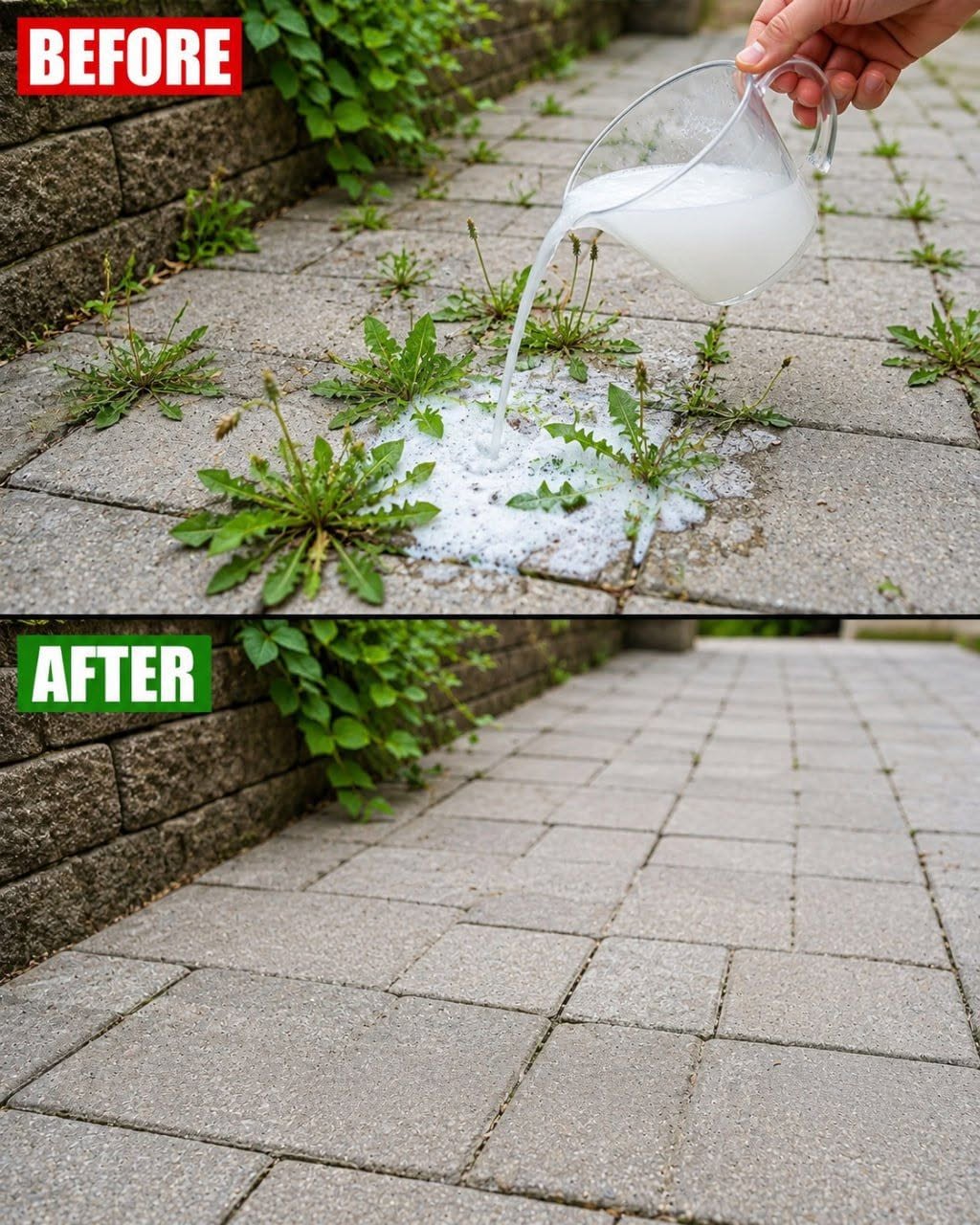
Every homeowner who takes pride in outdoor spaces knows the ongoing frustration of weeds sprouting through driveway pavers, walkway cracks, and stone patios. These persistent unwanted plants—such as dandelions, crabgrass, plantains, and broadleaf weeds—not only detract from your property’s curb appeal but can also cause structural damage over time as their expanding root systems push pavers out of alignment. While chemical herbicides are widely available, many families, pet owners, and garden enthusiasts prefer eco-friendly homemade weed killer solutions that avoid synthetic toxins.
Maintaining a clean, safe, and beautiful outdoor environment directly supports long-term property values and home care investments. Understanding how simple household ingredients can effectively control weeds, prevent sidewalk damage, and protect your surrounding garden helps safeguard your real estate, home insurance standing, and lawn care budget. In this comprehensive guide, we explore the science behind natural weed control, exact DIY spray recipes, safety guidelines, and smart long-term lawn maintenance strategies to keep your pavers pristine year-round.
The Science of Eco-Friendly Weed Control: How Household Ingredients Work
Understanding how natural weed solutions kill vegetation without synthetic pesticides requires examining the active chemical mechanisms of simple kitchen ingredients.
+---------------------+-----------------------------------+----------------------------------------------------+
| Natural Ingredient  | Chemical Action                   | Impact on Weed Structure                           |
+---------------------+-----------------------------------+----------------------------------------------------+
| White Vinegar       | Acetic Acid Burn (Desiccant)      | Strips protective wax, dehydrating cellular walls  |
| Dish Soap           | Surfactant / Wetting Agent        | Breaks water tension so acid sticks to foliage     |
| Salt (Sodium)       | Osmotic Dehydration & Soil Alter  | Draws moisture out of roots; halts water uptake    |
| Boiling Water       | Thermal Cell Disruption           | Scalds tissue instantly, killing foliage & roots   |
+---------------------+-----------------------------------+----------------------------------------------------+
1. Acetic Acid (Vinegar) as a Contact Desiccant
Standard household white vinegar contains approximately 5% acetic acid, while horticultural vinegar contains up to 20% to 30% concentration. Acetic acid works as a contact herbicide by breaking down the protective waxy coating on plant leaves. Once this protective barrier is stripped away, cellular walls rupture, causing the foliage to dry out, wither, and die under sunlight within hours.
2. Dish Soap as a Surfactant
Water naturally forms droplets due to surface tension, which can cause liquids to slide off smooth weed leaves without penetrating. Liquid dish soap acts as a surfactant, breaking the surface tension of the liquid solution. This ensures that the vinegar sticks evenly across the leaf surface, maximizing acid absorption.
3. Salt (Sodium Chloride) for Root Elimination
Salt acts as a powerful dehydrating agent through osmosis. When absorbed into surrounding soil, salt draws moisture away from plant roots, preventing the weed from absorbing vital hydration. However, salt must be used cautiously, as it can temporarily sterilize soil, preventing desired plants or turf grass from growing in that exact spot.
The Ultimate DIY Homemade Weed Killer Recipe
Creating an effective, budget-friendly homemade weed spray requires three common household items. This mixture is ideal for driveways, paver seams, gravel paths, and sidewalk cracks.
Ingredients and Materials Needed
- 1 Gallon White Vinegar: Standard household 5% vinegar works well for young weeds; 10% to 20% cleaning vinegar offers faster results on stubborn perennial weeds.
- 1 Cup Table Salt or Epsom Salt: Enhances osmotic action to target root systems in paved non-garden areas.
- 1 Tablespoon Liquid Dish Soap: Helps the solution adhere to foliage.
- 1 Handheld Pump Sprayer or Spray Bottle: Ensures precise application without overspraying.
Step-by-Step Preparation and Application Instructions
- Combine Vinegar and Salt: Pour 1 gallon of vinegar into a large bucket or spray container. Add 1 cup of salt and stir thoroughly until the salt crystals are completely dissolved.
- Add Dish Soap: Gently mix in 1 tablespoon of liquid dish soap. Avoid shaking vigorously to prevent excessive foaming.
- Target Application: Pour the mixture into your spray bottle or garden pump sprayer. Adjust the nozzle to a direct stream to target weeds sprouting in paver joints.
- Choose the Right Weather: Apply the solution on a bright, hot, sunny day when no rain is forecasted for at least 24 hours. Direct sunlight accelerates the desiccation process.
Safe Application Guidelines and Environmental Protections
While natural weed killers are far safer for families and pets than synthetic chemical herbicides, proper care must be taken to protect non-targeted plants, soil health, and surrounding property.
Preventing Damage to Desired Garden Plants
- Non-Selective Nature: DIY vinegar and salt sprays are non-selective herbicides, meaning they will kill or damage any green vegetation they touch, including grass, flowers, and ornamental shrubs.
- Shielding Surrounding Foliage: When spraying near flower beds or manicured lawns, use cardboard or plastic sheeting to shield desirable plants from drift.
- Avoid Over-Salting Garden Beds: Never use high-salt solutions in active garden beds or vegetable patches, as persistent soil salinity can hinder future plant growth for extended periods.
Protecting Property Values and Home Insurance Standing
Proper home maintenance goes beyond aesthetics. Overgrown weeds along driveways, stone retaining walls, and paver walkways can create hazardous tripping hazards for guests and family members. Neglected paver joints can suffer root expansion, cracking concrete foundation slabs or shifting driveway pavers over time. Maintaining clean walkways lowers personal liability risks, protecting home insurance policies against unnecessary property damage or liability claims.
Alternative Non-Chemical Methods for Paver Weed Control
If you prefer not to use liquid sprays near sensitive garden borders, several alternative eco-friendly techniques yield excellent results.
1. Thermal Weeding with Boiling Water
Boiling water is the absolute simplest, non-toxic weed killer available. Pouring boiling water directly over weeds in paver cracks instantly scalds plant tissues, destroying foliage and cooking root structures without leaving any chemical residue or soil buildup.
2. Propane Flame Weeding
Flame weeders use a small propane torch attachment to heat weed tissue rapidly. You do not need to burn the weed to a crisp; heating the foliage for just a few seconds causes cell walls to burst, leading the plant to wither and die naturally within a day.
3. Polymeric Sand Joint Sealing
The most effective long-term preventative measure against paver weeds is filling joint spaces with polymeric sand. Polymeric sand contains binding polymers that harden when activated with water, creating a durable barrier that blocks weed seeds from taking root between stones.
Long-Term Lawn Care and Preventive Maintenance Tips
Preventing weeds before they germinate saves hours of manual weeding and spray application down the road.
- Regular Sweeping: Sweep paver surfaces regularly to clear away dirt, windblown seeds, and organic debris before seeds can settle into cracks.
- Maintain Proper Lawn Density: Keep surrounding turf grass dense and healthy through proper fertilization and overseeding. A thick, lush lawn naturally chokes out invading weed species before they spread to walkways.
- Seal Paver Surfaces: Apply a high-quality paver sealer every 2 to 3 years. Sealers protect concrete from water penetration, oil stains, and weed seed establishment.
- Manual Hand Pulling After Rain: Pull deep-rooted weeds by hand right after rain or watering when the soil is soft, ensuring you remove the entire taproot to prevent regrowth.
Surprising Facts About Garden Weeds
- Dandelion Seeds Travel Miles: A single dandelion seed head can release hundreds of seeds that drift on wind currents for up to five miles before landing in your driveway cracks!
- Dormant Seed Longevity: Weed seeds can remain dormant in soil or paver cracks for up to 30 years, waiting for the right combination of sunlight and moisture to germinate.
- Useful Indicators: Certain weeds indicate soil conditions. For instance, dandelions thrive in compacted, acidic soil, signaling where lawn care adjustments may be needed.
Smart Household Economics: Saving Money on Property Maintenance
Commercial weed control services and branded synthetic herbicides can quickly add up, costing homeowners hundreds of dollars each season. Switching to DIY eco-friendly weed remedies costs a fraction of commercial products, utilizing items already sitting in your kitchen pantry.
Redirecting savings into smart home improvement projects, home insurance upgrades, or broader personal finance goals allows families to build financial health while maintaining a clean, sustainable outdoor living space.
Frequently Asked Questions (FAQ)
How long does homemade vinegar weed killer take to work?
When applied on a sunny day with temperatures above 70°F (21°C), you will notice weeds wilting and turning brown within 2 to 6 hours.
Will vinegar damage concrete pavers or brick driveways?
Repeated use of high-concentration acetic acid (such as 20% horticultural vinegar) can cause mild etching on unsealed concrete or limestone over time. For sealed concrete or brick, standard 5% white household vinegar applied directly to weeds poses minimal risk.
Is Epsom salt or table salt better for killing weeds?
Both table salt (sodium chloride) and Epsom salt (magnesium sulfate) dehydrate plants effectively. Table salt offers stronger, longer-lasting soil sterilization for driveway cracks, while Epsom salt provides a milder option.
Can I store unused DIY weed spray for later use?
Yes! Vinegar and salt solutions do not spoil or lose potency over time. Keep your mixed solution in a sealed, labeled spray container in a cool, dark place for quick spot treatments throughout the season.
Conclusion
Tackling weeds in your driveway, walkways, and patio doesn’t require harsh chemicals or expensive commercial treatments. By combining white vinegar, salt, and liquid dish soap, you can create a powerful, eco-friendly herbicide that clears paver cracks quickly and safely. Combined with simple preventative practices like polymeric sand sealing, boiling water treatments, and regular sweeping, you can enjoy a beautifully manicured, weed-free outdoor space that enhances your home’s value and curb appeal for years to come.
