
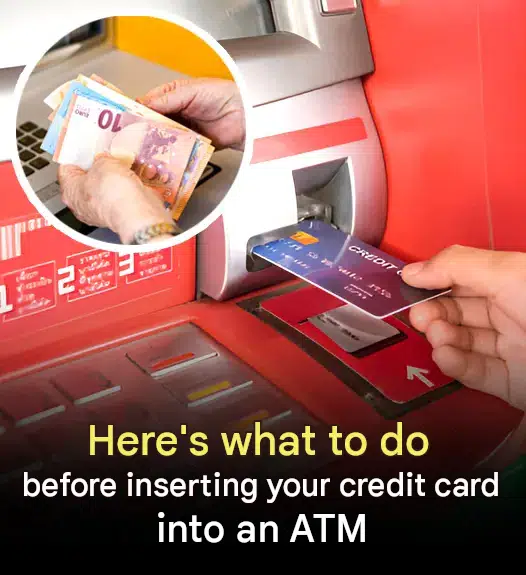
Using an Automated Teller Machine (ATM) is a routine part of modern financial life. Whether you need to withdraw physical cash for daily expenses, deposit checks, or check your account balance, ATMs provide quick, 24/7 access to your bank accounts. However, convenience often comes with hidden risks.
Financial fraud and identity theft have evolved sophisticated methods, with criminal syndicates targeting public ATMs to steal sensitive credit card data. One of the most common threats is “skimming”—a technique where thieves attach fraudulent hardware to card readers and keypads to capture card numbers and PIN codes.
In this comprehensive guide, we will explore how ATM skimming works, what you should always do before inserting your card, practical safety tips, and ways to protect your personal finances.
The Threat of ATM Skimming and Card Fraud
To understand why caution is necessary, it helps to examine how modern ATM fraud operates. Criminals install discrete, custom-fit electronic devices over the legitimate card insertion slot. These hidden skimmers read the magnetic stripe or chip data from your card as you slide it in.
Simultaneously, tiny hidden pinhole cameras or fake overlay keypads are placed above or on top of the real keypad to record your confidential PIN code as you type it. Once thieves capture both your card data and your PIN, they can clone your card and drain your bank account within minutes.
10 Essential ATM Safety Practices
1. Inspect the Card Reader Slot
Always visually inspect and gently wiggle the plastic card reader bezel before inserting your card; if it feels loose, bulky, or looks like a separate piece attached to the machine, do not use it.
2. Cover the Keypad When Typing Your PIN
Always shield the keypad with your free hand while entering your personal identification number to block hidden micro-cameras from recording your keystrokes.
3. Check for Fake Overlay Keypads
Run your hand quickly over the keypad or look closely at the keys; if the keypad feels unusually thick or raised above the machine surface, it may be a fraudulent overlay.
4. Use Well-Lit, Indoor Bank ATMs
Whenever possible, use ATMs located inside bank vestibules during daytime hours, as these locations are heavily monitored and much harder for criminals to tamper with.
5. Look Out for Loose or Missing Security Seals
Many modern banks place tamper-evident security seals over card slots and panels; broken seals indicate potential interference.
6. Monitor Your Bank Accounts Regularly
Check your mobile banking apps and transaction statements frequently to spot unauthorized withdrawals or suspicious activity immediately.
7. Enable Instant Transaction Alerts
Set up text or email notifications with your bank so you receive instant alerts every time your card is used or withdrawn from.
8. Review Financial and Insurance Protection
Understand your bank’s fraud liability policies and ensure your accounts are protected against unauthorized debit card charges.
9. Avoid Secluded or Damaged Machines
Skip ATMs located in dark, isolated areas, or machines showing visible physical damage, loose wires, or scratches around the card slot.
10. Financial Peace of Mind
Taking ten seconds to inspect an ATM before use protects your hard-earned savings and prevents stressful identity theft complications.
Comparison: Safe ATM Habits vs. Risky Behavior
To help evaluate how to protect yourself at the machine, review the following comparison table:
| ATM Habit | Security Risk Level | Potential Consequence | Recommended Best Practice |
| Rushing and Inserting Card Blindly | High Risk. | Falling victim to hidden skimmers and card data theft. | Always pause to visually inspect and wiggle the card reader slot. |
| Inspecting Hardware & Shielding PIN | Low Risk. | Prevents criminals from capturing card data or PIN codes. | Check reader, cover keypad with your hand, and use indoor bank ATMs. |
       ┌────────────────────────────────────────────────────────┘
       │         Approaching Public ATM to Withdraw Cash        │
       └───────────────────────────┬────────────────────────────┘
                                   │
                                   ▼
       ┌────────────────────────────────────────────────────────┘
       │     Inspecting Card Slot & Wiggling Bezel for Skimmers │
       └───────────────────────────┬────────────────────────────┘
                                   │
                    ┌──────────────┴──────────────┐
                    ▼                             ▼
       ┌────────────────────────┐    ┌────────────────────────┐
       │ Shielding Keypad When  │    │ Protecting Bank Account│
       │ Entering PIN Code      │    │ from Fraud & Identity Theft│
       └────────────────────────┘    └────────────────────────┘
Practical Tips for Safe Cash Withdrawals
When visiting an ATM, keeping a few simple habits in mind safeguards your financial security:
- Trust Your Gut: If something looks unusual, misaligned, or suspicious about the ATM hardware, walk away and find another machine.
- Opt for Contactless Options: Whenever available, use contactless NFC tap-to-pay options or smartphone digital wallets at the ATM, eliminating the risk of physical card skimming entirely.
- Secure Your Cash Immediately: Put your cash and card away before walking away from the terminal to maintain situational awareness.
Financial, Insurance, and Legal Considerations
Protecting your finances from ATM fraud involves practical awareness and preparation:
- Reporting Fraud Quickly: If you notice unauthorized charges, notify your bank immediately to freeze your card and limit your financial liability under consumer protection laws.
- Zero-Liability Policies: Many major credit and debit card issuers offer zero-liability fraud protection, provided you report stolen cards promptly.
- Safeguarding Personal Assets: Vigilance at the ATM prevents devastating financial losses and spares you the hassle of replacing compromised accounts.
Fascinating Facts About ATM Security
- The Invention of the ATM: The modern cash dispenser was invented by John Shepherd-Barron and first installed in London in 1967, inspired by chocolate vending machines.
- Evolution of Skimming: Early skimming devices stole magnetic stripe data; modern advanced skimmers target microchips, forcing criminals to develop high-tech countermeasures like anti-skimming shutters.
- Global ATM Statistics: There are over 3 million ATMs operating worldwide, making physical security and consumer vigilance critical priorities for international banking networks.
Frequently Asked Questions (FAQ)
What is the first thing I should check before using an ATM?
You should always inspect and gently wiggle the plastic card reader slot. If the piece feels loose or looks bulky, it may be a fraudulent skimmer attached by thieves.
How do criminals steal my PIN code at an ATM?
Criminals typically use tiny, concealed pinhole cameras mounted above the screen or keyboard, or they place a false keypad overlay on top of the real buttons to record your keystrokes.
Are contactless ATMs safer than traditional card insertion?
Yes. Using contactless NFC tap-to-pay features prevents physical card skimmers from reading your card data because no physical card is inserted into a compromised slot.
Conclusion: Protect Your Cards and Stay Vigilant
Using an ATM is quick and convenient, but taking a few seconds to inspect the machine before inserting your card can save you from devastating financial fraud. By checking for loose card readers, shielding your PIN, and staying alert, you can manage your money safely and securely every time!
