
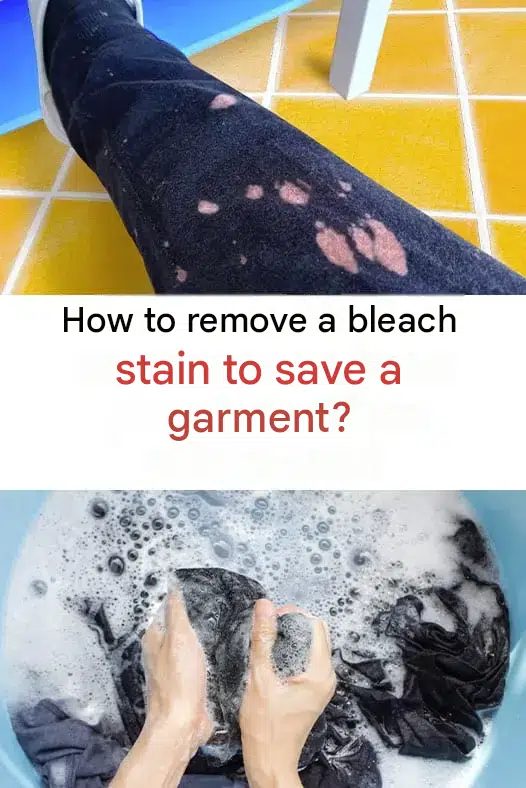
Accidentally splashing bleach on a favorite pair of dark jeans, a comfortable hoodie, or a costly shirt is one of the most frustrating household mishaps. A single stray droplet can instantly transform dark fabric into discolored pinkish or orange spots. Because household bleach is a powerful chemical agent designed to strip color pigment rather than leave a surface residue, fixing a bleach stain requires a slightly different approach than washing away regular food or grease stains.
While bleach permanently removes dye from fabric fibers, you do not have to throw away your favorite garments. With the right fabric restoring techniques, creative dyeing practices, upcycling methods, and stain-neutralizing steps, you can completely repair or transform bleach-damaged clothing. In this comprehensive guide, we will explore the science of bleach damage, immediate emergency steps, practical restoration techniques, personal finance savings, and legal and safety protocols to help you save your wardrobe.
1. The Science of Bleach Damage: What Happens to Fabric Fibers?
To effectively restore bleach-spotted garments, it helps to understand what happens at a microscopic level when sodium hypochlorite (the primary active ingredient in household liquid bleach) comes into contact with textiles.
- Dye Stripping vs. Staining: Most common household stains—such as red wine, coffee, or mud—deposit external pigments onto fabric threads. Bleach, by contrast, undergoes an oxidation process that strips away the original dye molecules completely, exposing the raw, un-dyed base color of the fabric.
- Fiber Weakening: Sodium hypochlorite breaks down natural fibers like cotton, linen, and wool if left untreated for extended periods. This can cause the material to become brittle and prone to tearing.
- The Yellowing Effect: On white or light-colored cotton fabrics, excessive bleach exposure can react with leftover optical brighteners or protein residues, resulting in stubborn yellow discoloration.
Immediate Action: Neutralizing the Bleach
If you accidentally spill liquid bleach on your clothing, acting immediately can prevent the chemical from burning through deeper fiber layers:
- Rinse Immediately with Cold Water: Flush the affected area with cold running water for at least two to three minutes to remove excess chemical liquid.
- Apply Neutralizing Rubbing Alcohol or Vinegar: Dabbing isopropyl rubbing alcohol onto small bleach spots on dark clothing can help loosen dye from surrounding untreated threads, spreading pigment back over the lightened mark.
- Neutralize with Sodium Thiosulfate: Known in craft communities as a chlorine neutralizer, soaking bleach-exposed garments in a water solution mixed with sodium thiosulfate stops chemical oxidation completely.
2. Practical Methods to Restore Bleach-Damaged Clothing
+-------------------------------------------------------------------+
|               Garment Restoration Decision Matrix                 |
+-------------------------------------------------------------------+
                                  |
            +---------------------+---------------------+
            |                                           |
            v                                           v
+-----------------------+                   +-----------------------+
| Small Spot Damage     |                   | Large / Multiple      |
| (< 1 inch spots)      |                   | Bleach Splatters      |
+-----------------------+                   +-----------------------+
            |                                           |
            v                                           v
+-----------------------+                   +-----------------------+
|  Spot Color Matching  |                   |  Full Garment Dyeing  |
| (Fabric Markers,      |                   |  or Creative Tie-Dye  |
|  Alcohol Dye Swabs)   |                   |  Upcycling Over-Dye   |
+-----------------------+                   +-----------------------+
Depending on the size of the bleach splatter and the type of fabric, choose the restoration method that best fits your item:
| Restoration Method | Best Suitable For | Difficulty Level | Materials Needed | Approximate Cost |
| Alcohol Dye-Transfer | Small spots on dark denim | Easy | Isopropyl alcohol, cotton swab | Very Low ($1 – $3) |
| Fabric Marker Touch-Up | Single spots on solid colors | Easy | Permanent fabric markers | Low ($3 – $8) |
| Full Garment Over-Dyeing | Large bleached patches | Intermediate | All-purpose fabric dye, salt | Low to Moderate ($5 – $12) |
| Reverse Tie-Dye / Acid Wash | Heavily splattered garments | Creative / Fun | Additional bleach, rubber bands | Very Low ($2 – $5) |
| Decorative Patchwork | Structural fiber wear | Intermediate | Iron-on patches, needle & thread | Low ($4 – $10) |
3. Step-by-Step Guide: Spot-Fixing Small Bleach Marks
If your garment has tiny bleach spots like the dark pants in our featured image, follow this simple fabric marker or alcohol transfer technique:
Technique A: The Alcohol Transfer Method (Best for Dark Blue Jeans)
- Submerge a clean cotton swab or ball in high-proof isopropyl rubbing alcohol.
- Gently rub the alcohol-soaked swab around the dark edges immediately surrounding the bleach spot.
- Work inward from the dark outer ring toward the center of the bleached spot. The alcohol dissolves small amounts of surrounding indigo dye and transfers it over the lightened patch.
- Allow the area to air dry completely, then inspect the color match.
Technique B: Fabric Marker Color Matching
- Wash and dry the damaged garment thoroughly to ensure no chemical residue remains.
- Select a permanent fabric marker or textile pen that closely matches the original garment color (e.g., navy blue, jet black, or dark charcoal).
- Carefully dab—rather than brush—the tip of the fabric marker onto the bleached fibers.
- Use a soft dry cloth to blend the fresh ink edges smoothly into surrounding threads.
- Set the ink according to manufacturer instructions, usually by ironing the reverse side of the fabric on medium heat.
4. Full Garment Re-Dyeing and Creative Upcycling
When bleach damage covers a large surface area, spot treatments may not cover the discoloration evenly. Re-dyeing the entire garment offers a seamless way to restore it to its original shade or transform it into a brand-new custom piece.
       +-------------------------------------------------------+
       |             Full Re-Dyeing Process Stream             |
       +-------------------------------------------------------+
                                  |
                                  v
       +-------------------------------------------------------+
       |  Prepare Fabric (Strip Remaining Bleach & Wash)       |
       +-------------------------------------------------------+
                                  |
            +---------------------+---------------------+
            |                                           |
            v                                           v
+-----------------------+                   +-----------------------+
| Select Correct Dye    |                   | Choose Dyeing Technique|
| (Cotton = Direct Dye; |                   | (Stovetop, Washing    |
|  Poly = Disperse Dye) |                   |  Machine, or Bucket)  |
+-----------------------+                   +-----------------------+
            |                                           |
            v                                           v
+-----------------------+                   +-----------------------+
| Hot Water Agitation   |                   | Rinse with Cold Water |
| & Color Fixative Bath |                   | & Wash Separately     |
+-----------------------+                   +-----------------------+
Choosing the Right Fabric Dye Type
- Natural Fabrics (Cotton, Linen, Rayon, Wool): Use all-purpose or fiber-reactive direct dyes (such as Rit or Procion MX). Add table salt to cotton dye baths to help color molecules bond tightly to plant fibers.
- Synthetic Fabrics (Polyester, Nylon, Acrylic): Synthetic fibers require specialized disperse dyes formulated to bond with man-made polymers at near-boiling water temperatures.
Reverse Tie-Dyeing: Turning Mistakes into Fashion Statements
If re-dyeing back to a solid color feels daunting, embrace the bleach effect with reverse tie-dyeing or splatter distressing:
- Use rubber bands to twist and secure different sections of the garment.
- Apply a diluted bleach mixture (1 part bleach to 1 part water) onto bound sections using an applicator spray bottle.
- Allow the garment to lighten for 5 to 10 minutes, then submerge it immediately in cold water to neutralize chemical action.
- Remove the bands to reveal a stylish, intentional marble pattern.
5. Financial and Environmental Benefits of Clothing Restoration
Restoring clothes at home isn’t just a fun DIY project; it plays a practical role in personal finance, smart budgeting, and environmental sustainability.
Cutting Household Wardrobe Expenses
Replacing branded jeans, winter jackets, or designer tops can cost anywhere from $50 to over $200 per item. Fixing minor bleach splatters at home using $5 dye bottles or simple household rubbing alcohol keeps more money in your savings account, reducing reliance on high-interest credit cards or emergency personal loan options for non-essential shopping.
Reducing Textile Waste in Landfills
Fast fashion and discarded textiles generate tens of millions of tons of municipal waste annually worldwide. Learning basic clothing repair and dye techniques extends garment lifespans, reduces personal carbon footprints, and promotes circular consumer practices.
6. Safety, Insurance, and Legal Aspects of Household Chemical Handling
Using household laundry products requires basic home safety precautions, proper ventilation, and awareness of product safety standards.
Health and Chemical Safety
- Never Mix Bleach with Ammonia or Acids: Mixing sodium hypochlorite bleach with ammonia, vinegar, or acidic bathroom cleaners produces toxic chloramine gas, which causes severe respiratory damage upon inhalation.
- Ventilation and Personal Protective Equipment (PPE): Always use bleach or liquid fabric dyes in well-ventilated areas or outdoors. Wear protective rubber gloves and eye goggles to avoid skin contact and splashes.
Renters Insurance and Property Care
In rental apartments or leased properties, accidental bleach spills on carpeted floors, upholstery, or permanent counter surfaces can lead to security deposit deductions. Renters insurance policies typically cover sudden accidental property damage, but keeping a neutralizing bottle of sodium thiosulfate or carpet dye pens on hand provides immediate protection against costly move-out fees.
7. Fast Facts About Fabric Care and Bleach Damage
- Historical Origins: Liquid bleach as a whitening agent dates back to late 18th-century French chemistry, when Claude Louis Berthollet first produced sodium hypochlorite solutions.
- Indigo Denim Resiliency: Indigo dye used in classic denim blue jeans binds primarily to the exterior surfaces of cotton yarn, which is why alcohol dye-transfer works exceptionally well on jeans.
- Color Fastness Testing: Quality apparel manufacturers test color fastness against washing and light exposure, but almost no standard clothing dyes are formulated to resist concentrated chlorine bleach.
- Cold Water Rinsing: Hot water accelerates the chemical activity of bleach, which is why cold water should always be used to rinse away unexpected bleach splashes.
8. Frequently Asked Questions (FAQ)
Can baking soda remove a bleach stain?
Baking soda cannot restore color that bleach has already removed because bleach strips away dye pigments entirely. However, applying a paste made of baking soda and water over a fresh bleach splash helps soak up residual chemical liquid and stops further fiber damage.
Will vinegar neutralize liquid bleach?
Yes, white vinegar can neutralize sodium hypochlorite. However, you must thoroughly rinse all liquid bleach out of the garment with cold water before applying vinegar, as mixing bleach directly with concentrated vinegar generates irritating fumes.
Is it possible to dye a bleached spot back to white?
If bleach leaves a yellowish or brassy mark on a white shirt, you can use optical fabric brighteners, blueing agents, or laundry color removers specifically designed for white cotton to neutralize yellow tones.
What is the best way to touch up black clothes damaged by bleach?
Black permanent fabric markers, specialized textile ink pens, or black all-purpose fabric dyes work best for restoring black clothes. Dabbing black marker ink directly onto small spots offers an instant fix.
Can professional dry cleaners restore bleach spots?
Most commercial dry cleaners cannot restore color stripped away by bleach unless they offer specialized re-dyeing or color-matching services. Utilizing home fabric dyes or marker touch-up techniques is usually far more cost-effective.
Conclusion: Save Your Clothes with Easy DIY Restoration
An accidental splash of bleach doesn’t have to mean the end of your favorite jeans, shirts, or hoodies. By understanding how bleach interacts with fabric fibers, acting quickly with cold water rinses, and leveraging simple tools like fabric markers, rubbing alcohol, or all-purpose dyes, you can fix discoloration and breathe new life into your wardrobe.
Save money on replacement shopping, protect your household budget, and embrace upcycling today. Keep these simple restoration strategies handy, and you will always be prepared to handle life’s little laundry surprises!
