
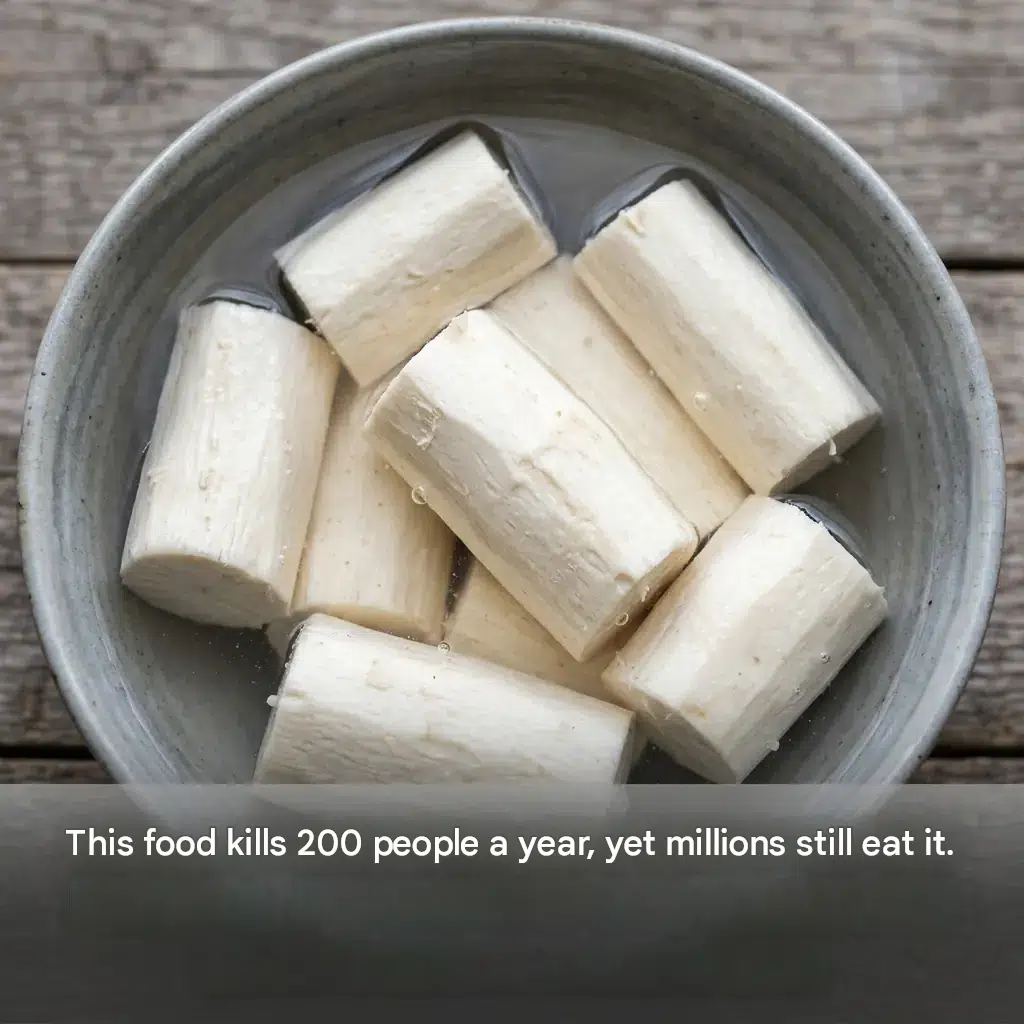
Culinary traditions around the world are as diverse as human culture itself. From exotic spices and fermented delicacies to unconventional animal products, humans have discovered countless ways to turn natural resources into daily meals. However, some of the most widely consumed foods in history harbor hidden dangers, requiring specialized preparation methods, precise cooking techniques, or careful processing to prevent severe illness or even death.
When viral headlines highlight foods that pose toxic risks yet remain staples for millions of people, it sparks global curiosity about food safety and culinary history. Examining how certain foods contain natural toxins—and how traditional cultures learned to neutralize them safely—offers a fascinating look at the intersection of agriculture, chemistry, and human survival.
The Science of Natural Toxins: Why Certain Foods Require Careful Preparation
To understand why a widely eaten food can be lethal if handled incorrectly, it helps to explore how plants and animals produce defensive chemicals in nature.
+-----------------------------------------------------------------------------------+
|                        NATURAL TOXINS IN COMMON FOODS                             |
+------------------------------------+----------------------------------------------+
| Food Source                        | Natural Toxic Compound & Risk                |
+------------------------------------+----------------------------------------------+
| Bitter Cassava (Yuca Roots)        | Cyanogenic glucosides releasing hydrogen cyanide|
| Pufferfish (Fugu)                  | Tetrodotoxin causing neurological paralysis  |
| Raw Elderberries                   | Sambunigrin releasing cyanide-inducing toxins|
| Undercooked Red Kidney Beans       | Phytohaemagglutinin (kidney bean lectin)     |
+------------------------------------+----------------------------------------------+
1. Cyanogenic Compounds in Root Crops
Certain staple crops, such as bitter cassava, contain natural defense mechanisms called cyanogenic glucosides. When the raw plant tissue is damaged, chewed, or digested incorrectly, these compounds break down into hydrogen cyanide. Consuming improperly prepared cassava can lead to severe toxicity, neurological issues, or fatal poisoning if the toxins are not thoroughly removed through soaking, washing, fermenting, or cooking.
2. Traditional Processing as a Lifesaving Science
For thousands of years, indigenous populations developed sophisticated processing techniques—such as prolonged soaking in water, sun-drying, grinding, and boiling—long before modern chemistry explained why these steps were necessary. These traditional methods ensure that natural toxins are safely leached out or broken down before the food ever reaches the dinner table.
Key Rules for Safe Food Handling and Preparation
Navigating foods that require specialized preparation involves strict adherence to food safety guidelines and culinary best practices.
+-----------------------------------------------------------------------------------+
|                        ESSENTIAL FOOD SAFETY PRACTICES                            |
+-----------------------------------------------------------------------------------+
| • Thorough Soaking & Washing: Submerging root crops in water to leach toxins      |
| • Complete Thermal Processing: Cooking foods thoroughly to denature harmful proteins|
| • Certified Expert Preparation: Relying on trained specialists for exotic dishes|
| • Following Traditional Recipes: Never bypassing essential fermentation steps    |
+------------------------------------+----------------------------------------------+
1. Respecting Processing Guidelines
When preparing foods known to harbor natural toxins, rushing steps or skipping soaking and boiling phases can introduce serious health risks. Adhering strictly to established culinary protocols is vital for safe consumption.
2. Public Health Education
Global food safety agencies work continuously to educate communities on proper preparation methods, ensuring that traditional staples remain safe, nutritious, and accessible to the millions who rely on them daily.
Practical Tips for Kitchen Safety and Food Awareness
Building safe cooking habits protects you and your family from accidental foodborne illnesses and natural toxic exposures.
- Learn the Origins of Your Food: Understand how unfamiliar ingredients or foreign specialty foods must be prepared before cooking.
- Never Consume Bitter Root Crops: If a root vegetable like cassava or potato tastes unusually bitter, discard it immediately, as bitterness often indicates high levels of natural toxins.
- Cook Beans Thoroughly: Always boil raw or dried red kidney beans at high temperatures for at least 30 minutes to destroy harmful natural lectins.
- Trust Licensed Professionals: Enjoy high-risk culinary delicacies exclusively at certified establishments with trained, licensed culinary experts.
- Stay Informed on Recalls: Regularly check public health announcements regarding food safety standards and agricultural guidelines.
Surprising Facts About Dangerous Foods and Culinary History
- Global Starch Staple: Cassava serves as a vital daily caloric staple for over 800 million people across developing nations in Africa, Asia, and South America despite its natural toxicity when raw.
- The Evolution of Bitter Plants: Plants developed natural toxins over millions of years as an evolutionary defense mechanism to deter herbivores and insects from consuming them.
- Historical Poisonings: Throughout history, accidental poisonings from improperly prepared grains and roots led to the rapid development of early empirical food safety rules.
- Culinary Precision: Preparing certain luxury items requires knife skills so precise that apprentice chefs spend years mastering the exact removal of toxin-producing glands.
Frequently Asked Questions (FAQ)
What food is known for causing thousands of illnesses or deaths if eaten raw?
Staple root crops like bitter cassava contain natural cyanogenic compounds that can be lethal if consumed raw or improperly processed, affecting thousands of people globally when safety steps are neglected.
Why do some foods naturally contain toxins?
Plants and animals produce natural toxins as evolutionary defenses against predators, insects, and microorganisms in their natural environments.
How do people make toxic cassava safe to eat?
Cassava is made safe through extensive processing, which includes peeling, grating, prolonged soaking in water, fermenting, and thorough cooking to eliminate harmful cyanogenic chemicals.
Can cooking destroy all natural food toxins?
While heat destroys many toxins (such as lectins in beans), other toxins require chemical leaching, soaking, or specialized physical removal depending on the specific food type.
Where can I learn more about safe food preparation?
Reliable guidance is available through agricultural extension programs, global health organization publications, and certified culinary training resources.
Conclusion
The world of food is full of fascinating paradoxes where nature’s most dangerous components are transformed into daily sustenance through human ingenuity. By respecting traditional processing methods, prioritizing food safety, and understanding the science behind natural toxins, we can appreciate the remarkable history of our global food supply.
Stay curious, practice kitchen safety, and share this surprising culinary story with your friends and family!
