
Introduction
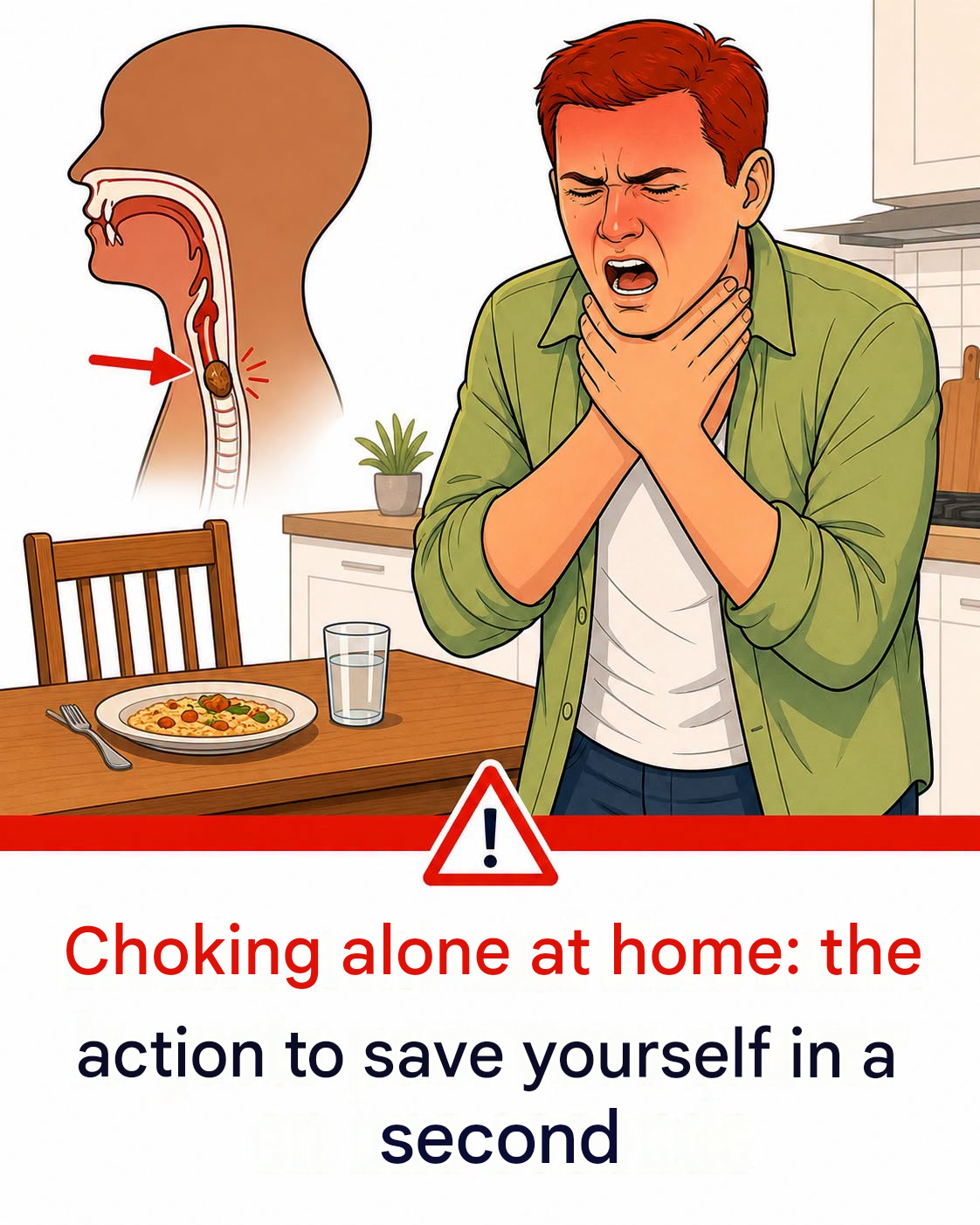
Accidents can happen at any moment, and sometimes we find ourselves in critical situations when we least expect it. Choking is a terrifying medical emergency that can occur while eating a meal or snacking at home, even when dining completely alone. Knowing how to react in those crucial seconds when airway blockage occurs can make the difference between safety and danger.
Exploring emergency first-aid techniques provides essential knowledge for every household. Understanding how to perform self-administered abdominal thrusts or use furniture for leverage equips you with life-saving skills when help isn’t immediately nearby.
The Danger of Airway Obstruction
When a foreign object—such as a piece of food—fully or partially blocks the trachea, it cuts off oxygen supply to the brain and body within seconds.
Why Acting Fast Matters
- The Universal Sign: Choking victims typically clutch their throats instinctively, signaling a complete inability to breathe, cough, or speak.
- Rapid Response: Because oxygen deprivation causes unconsciousness quickly, knowing immediate self-rescue maneuvers is vital.
Life-Saving Self-Treatment: How to Handle Choking While Alone
If you are choking and home alone, you do not have to wait passively; several physical maneuvers can generate enough internal pressure to dislodge an obstruction.
1. Self-Administered Abdominal Thrusts (Heimlich Maneuver)
- Hand Placement: Make a fist with one hand and place it just above your navel, well below your breastbone.
- Upward Thrusts: Grasp your fist with your other hand and press inward and upward sharply into your abdomen, mimicking the motion of the Heimlich maneuver.
2. Using Furniture for Leverage
- Chair or Countertop Support: If manual thrusts are not dislodging the object, lean forcefully over the back of a sturdy chair, a table edge, or a countertop to drive your upper abdomen against the hard surface.
Practical Tips for Safe Eating and Emergency Readiness
Preventing choking incidents and maintaining general home safety involves adopting mindful daily habits.
- Eat Mindfully: Chew your food thoroughly, avoid rushing through meals, and refrain from talking or laughing with food in your mouth.
- Keep Emergency Numbers Handy: Ensure your phone is easily accessible or that smart assistants are set up to dial emergency services if needed.
- Learn First Aid: Take a certified first-aid and CPR course to learn standard choking rescue procedures for both adults and children.
- Manage Lifestyle Stress: Maintaining a balanced daily routine, getting adequate rest, and practicing effective personal financial budgeting support overall well-being and preparedness.
Interesting Facts About Airway Safety
- The Heimlich Maneuver History: Developed by Dr. Henry Heimlich in 1974, abdominal thrusts have saved countless lives by using residual air trapped in the lungs to push blockages out.
- Universal Choking Sign: Clutching the neck with one or both hands is recognized worldwide as the universal distress signal for choking.
- Preventative Chewing: Saliva production during thorough chewing helps lubricate food, making it much easier to swallow safely.
Conclusion
Facing a choking emergency while home alone is a frightening scenario, but knowing the correct self-rescue actions can save your life in seconds. By understanding how to perform self-administered abdominal thrusts or utilize furniture for leverage, you can respond effectively in a crisis. Stay prepared, eat mindfully, and keep safety first!
FAQ Section
What should you do first if you are choking while alone?
Attempt to cough forcefully to dislodge the object. If you cannot breathe or cough, immediately perform self-administered abdominal thrusts or lean over a firm chair edge.
How do you perform a self-Heimlich maneuver?
Make a fist with one hand placed above your navel, grip it with your other hand, and press inward and upward into your abdomen with rapid force.
Can you use a chair to clear a blocked airway?
Yes, leaning your upper abdomen forcefully over the back of a rigid chair or countertop can generate the pressure needed to expel the object.
When should you call emergency services for choking?
If self-rescue maneuvers fail and you manage to clear your airway, or if someone else is present who can call for help, emergency medical evaluation is critical to ensure no internal injury occurred.
