
Introduction
Cardiovascular health is one of the most critical components of overall physical well-being. While heart attacks can sometimes strike suddenly and dramatically, medical research shows that the body often provides early warning signals weeks or even months in advance. Recognizing these subtle symptoms can play a life-saving role in seeking timely medical evaluation and preventing major cardiac events.
Exploring early indicators of cardiovascular distress provides essential health awareness for adults of all ages. Understanding how your body communicates distress helps you take proactive steps toward heart health and long-term vitality.
Why Early Detection Matters in Heart Health
Heart disease develops gradually as plaque builds up inside coronary arteries, progressively restricting blood flow to the heart muscle.
Understanding Cardiac Warning Signals
- Subtle Onset: Early symptoms are often mild and easily mistaken for general fatigue, muscle strain, or routine stress.
- Proactive Care: Paying attention to recurring or unusual physical changes allows individuals to consult physicians before minor issues escalate.
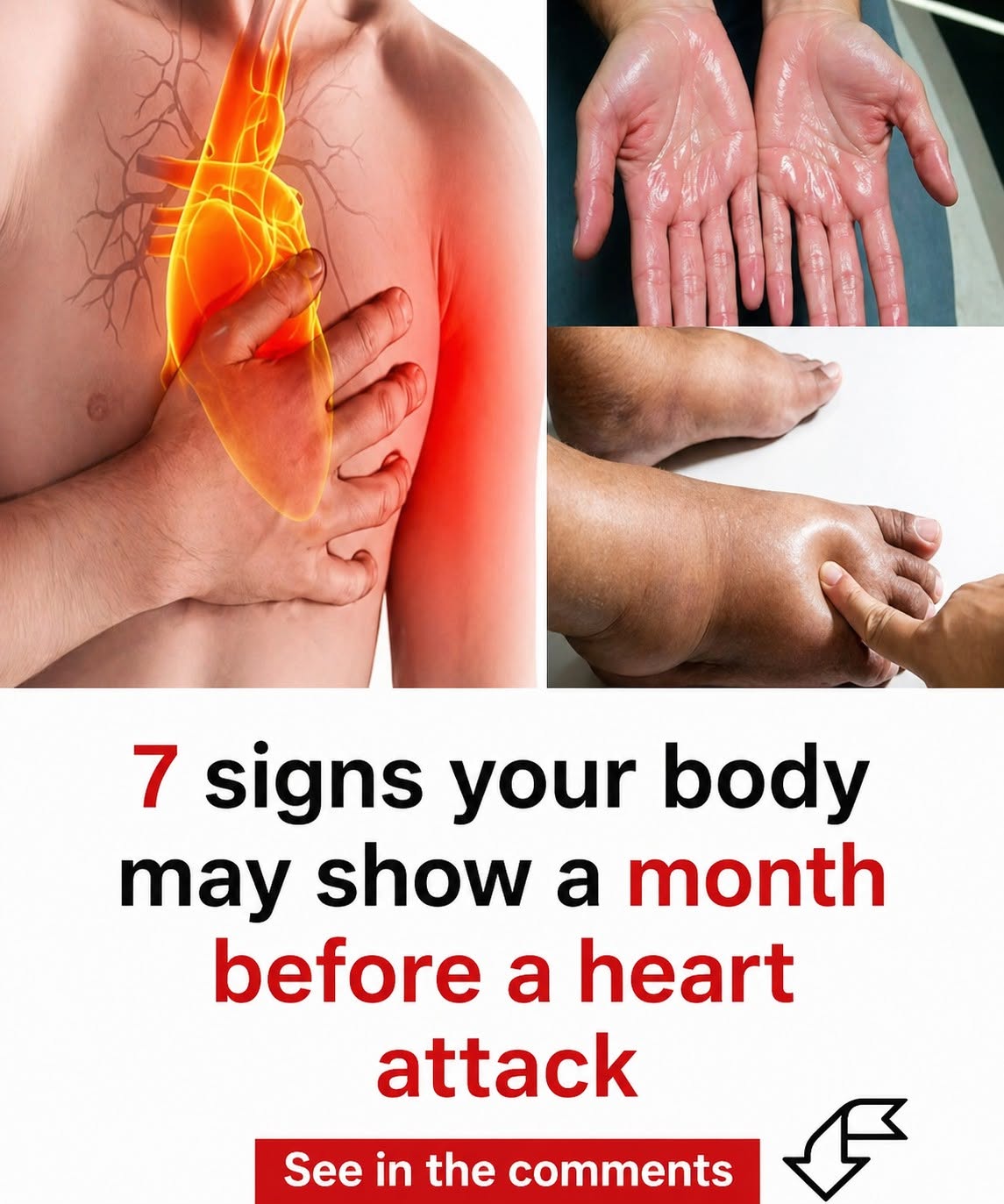
7 Warning Signs Your Body May Show Before a Heart Attack
While symptoms can vary between individuals, several key signs are frequently reported in the weeks leading up to a cardiac event.
1. Unusual and Persistent Fatigue
- Overwhelming Exhaustion: Feeling deeply tired, sluggish, or exhausted even after a full night’s sleep can signal reduced cardiac efficiency.
2. Shortness of Breath
- Breathlessness: Experiencing difficulty catching your breath during normal, light physical activities or while resting indicates the heart is struggling to pump effectively.
3. Chest Discomfort or Pressure
- Subtle Tightness: Unlike the acute pain of a heart attack, early warning signs can include mild pressure, aching, or tightness in the chest area.
4. General Weakness
- Limb Heaviness: Unexplained muscle weakness or a general feeling of heaviness in the arms and legs can accompany poor circulation.
5. Dizziness and Cold Sweats
- Circulatory Fluctuations: Sudden bouts of lightheadedness, dizziness, or breaking out in cold sweats without exertion are common neurological and cardiovascular red flags.
6. Sleep Disruptions and Anxiety
- Restlessness: Difficulty falling asleep, frequent nighttime awakenings, or sudden waves of unexplained anxiety can stem from physiological stress.
7. Swelling in Extremities (Edema)
- Fluid Retention: Swelling in the feet, ankles, or hands can occur when the heart’s pumping efficiency declines, causing fluid to back up in tissues.
Practical Tips for Maintaining Cardiovascular Health
Protecting your heart involves cultivating consistent, proactive daily wellness habits.
- Adopt a Heart-Healthy Diet: Focus on whole grains, fresh vegetables, fruits, and lean proteins while minimizing sodium and saturated fats.
- Stay Physically Active: Engage in regular, doctor-approved exercise routines such as brisk walking, swimming, or cycling to strengthen your heart muscle.
- Manage Lifestyle Stress: Prioritize restorative sleep, maintain a balanced daily routine, and practice effective personal financial budgeting to reduce chronic stress.
- Schedule Regular Check-Ups: Monitor your blood pressure, cholesterol, and blood sugar levels consistently with your primary care provider.
Interesting Facts About Cardiovascular Health
- Coronary Artery Disease: Atherosclerosis (plaque buildup in arteries) is the leading underlying cause of most heart attacks worldwide.
- Gender Differences: Symptoms of impending cardiac events can sometimes differ between men and women, with women more frequently experiencing subtle signs like extreme fatigue and shortness of breath.
- The Power of Prevention: Medical studies emphasize that lifestyle modifications and early medical intervention can dramatically reduce the risk of fatal heart incidents.
Conclusion
Listening to your body and recognizing early warning signs can make all the difference in safeguarding your cardiovascular health. By staying informed about subtle indicators like persistent fatigue, shortness of breath, and chest discomfort, you can take prompt action and consult a healthcare professional. Prioritize your heart, maintain healthy habits, and stay proactive about your well-being!
FAQ Section
What are the most common early signs of a heart attack?
Early signs often include unusual fatigue, shortness of breath, mild chest pressure, dizziness, and unexplained weakness weeks before an event.
Do heart attack symptoms differ between men and women?
Yes, while both can experience chest pain, women are more likely to report atypical symptoms such as extreme fatigue, sleep disturbances, and shortness of breath.
Why does fluid retention happen with heart issues?
When the heart’s pumping capacity weakens, blood flow slows down, causing fluid to back up in the blood vessels and leak into surrounding tissues, leading to swelling.
When should you seek emergency medical attention for chest pain?
Any sudden, severe chest pain, pressure radiating to the arm or jaw, acute shortness of breath, or fainting requires immediate emergency medical services (calling 911).
