
Introduction
As we age, maintaining cardiovascular and neurological awareness becomes a vital part of preserving long-term independence and well-being. Cerebrovascular health involves complex networks of blood vessels supplying the brain. Among various types of cerebrovascular events, lacunar strokes represent a unique subcategory that affects small, deep arteries in the brain. Because their symptoms can sometimes be subtle or mimic other conditions, many older adults and their families remain unfamiliar with how they manifest.
Exploring the medical signs and preventative measures surrounding lacunar strokes provides essential knowledge for seniors, caregivers, and families. Understanding how vascular health impacts neurological function empowers individuals to seek timely medical guidance and maintain lifelong vitality.
What Is a Lacunar Stroke?
Lacunar strokes occur when blood flow is blocked in one of the small, deep penetrating arteries inside the brain, often resulting from chronic conditions like hypertension.
Why Small Vessel Health Matters
- Deep Brain Structures: These small blood vessels supply critical structures deep within the brain that regulate motor control, sensory processing, and cognitive functions.
- Silent Progression: Some lacunar infarctions can be relatively small or “silent,” while others produce distinct neurological symptoms depending on the specific area affected.
Key Signs and Symptoms of Lacunar Strokes
Because lacunar strokes affect specific neural pathways, symptoms often present as distinct neurological syndromes.
1. Motor Weakness and Numbness
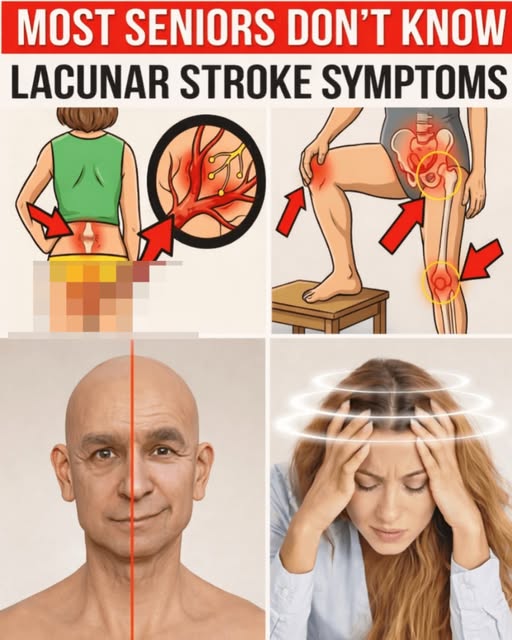
- Unilateral Impact: Sudden weakness or numbness affecting one side of the body—such as an arm, leg, or one side of the face—is a frequent indicator.
2. Facial Droop and Asymmetry
- Nerve Signaling: Disruption in facial nerve pathways can cause sudden drooping or unequal muscle movement on one side of the face.
3. Balance and Coordination Challenges
- Spatial Disorientation: Difficulty maintaining balance, unexplained dizziness, or uncoordinated limb movements can signal deeper neurological stress.
Practical Tips for Promoting Cardiovascular and Brain Health
Protecting your vascular and neurological health involves cultivating proactive daily wellness habits.
- Monitor Blood Pressure: Keeping blood pressure within a healthy, doctor-recommended range is the single most important step in preventing small vessel brain disease.
- Adopt a Heart-Healthy Diet: Focus on whole foods, fresh fruits, vegetables, lean proteins, and low sodium intake to support healthy circulation.
- Stay Physically Active: Engage in moderate, doctor-approved physical activities like walking, swimming, or light stretching to support cardiovascular endurance.
- Manage Lifestyle Stress: Maintaining a balanced daily routine, getting restorative sleep, and practicing effective personal financial budgeting reduce chronic stress and support overall longevity.
Interesting Facts About Stroke Research
- Small Infarcts: The term “lacunar” comes from the Latin word lacuna, meaning “lake” or “cavity,” referring to the small fluid-filled cavity left behind after dead tissue is cleared away.
- Risk Factors: Chronic high blood pressure and diabetes are the leading modifiable risk factors contributing to small vessel damage in the brain.
- Preventative Care: Early diagnosis and strict management of vascular risk factors significantly reduce the likelihood of recurrent cerebrovascular events.
Conclusion
Recognizing the warning signs of vascular conditions like lacunar strokes is an essential component of senior health education. By understanding what symptoms to look for and prioritizing cardiovascular wellness, older adults can take proactive steps to protect their long-term neurological health. Prioritize regular health screenings, maintain an active lifestyle, and stay informed to safeguard your well-being!
FAQ Section
What is a lacunar stroke?
A lacunar stroke is a type of ischemic stroke caused by the occlusion of one of the small, deep penetrating arteries that supply blood to deep structures within the brain.
What are the common symptoms of a lacunar stroke?
Common symptoms include sudden weakness or numbness on one side of the body, facial drooping, clumsiness in a limb, and difficulty with balance or speech.
What is the primary cause of small vessel brain disease?
Chronic, poorly controlled high blood pressure (hypertension) is the leading cause of damage to the small blood vessels in the brain.
When should you seek emergency medical help for stroke symptoms?
Any sudden onset of neurological symptoms—such as facial drooping, sudden weakness, confusion, or severe dizziness—requires immediate emergency medical evaluation.
