
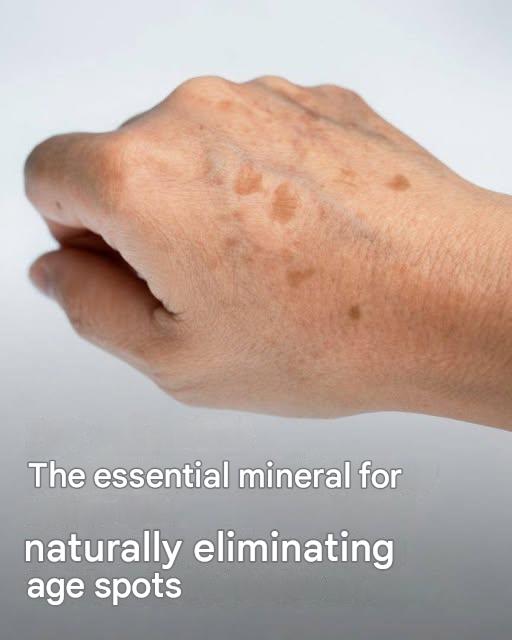
Age spots—medically termed solar lentigines, liver spots, or senile lentigines—are hyperpigmented macules that commonly appear on sun-exposed areas of the body, such as the backs of the hands, face, shoulders, and arms. While benign, these spots prompt millions of adults to seek cosmetic treatments to even out their skin tone.
Online claims often market specific minerals, dietary supplements, or home remedies as secret cures for age spots. In reality, solar lentigines are caused by localized overproduction of melanin due to years of ultraviolet (UV) exposure, not a mineral or nutrient deficiency. While proper nutrition supports general skin health, targeting existing pigment deposits requires proven dermatological interventions and effective sun protection.
This comprehensive guide breaks down the causes of age spots, evaluates popular myths versus clinical treatments, outlines dermatological removal methods, and provides key insights into health insurance, preventive care, and financial wellness.
1. What Are Age Spots (Solar Lentigines)?
Age spots are flat, oval areas of increased pigmentation that range in color from light tan to dark brown. They vary in size from small dots to over a centimeter in width and frequently cluster together in high-sun-exposure zones.
Biological Mechanism
- Melanin Aggregation: Melanin is the natural pigment that gives skin its color. When skin is exposed to UV light, melanocytes (pigment-producing cells) produce excess melanin to protect deeper layers from radiation damage.
- Cumulative UV Exposure: Over decades of exposure, melanin becomes clumped or is produced in high concentrations in localized areas, forming permanent age spots.
- Natural Aging Process: As skin ages, cell turnover slows down, making it harder for the epidermis to naturally shed hyperpigmented cells without targeted intervention.
2. Separating Myths from Clinical Facts
Internet headlines frequently claim that a single mineral or dietary supplement will erase age spots. Understanding the facts helps set realistic expectations for skin health.
Myth: Age Spots Are Caused by a Mineral Deficiency
- The Reality: Solar lentigines are caused by cumulative physical damage from solar UV radiation and aging, not an internal lack of minerals like selenium, zinc, or magnesium. While antioxidants support overall skin recovery, oral supplements cannot clear existing localized melanin deposits.
Myth: Topical Kitchen Ingredients Can Safely Erase Spots
- The Reality: Applying harsh household ingredients like lemon juice, raw apple cider vinegar, or unverified home mixtures can cause contact dermatitis, chemical burns, or post-inflammatory hyperpigmentation (PIH)—making the dark spots darker.
3. Evidence-Based Treatments for Age Spot Removal
Dermatologists offer several safe and clinically validated options to lighten or completely eliminate solar lentigines.
1. Topical Medical Treatments
- Prescription Retinoids (Tretinoin): Accelerate cell turnover to gradually fade surface pigmentation over several months.
- Topical Tyrosinase Inhibitors: Ingredients such as hydroquinone, azelaic acid, kojic acid, tranexamic acid, and vitamin C work by blocking tyrosinase, the enzyme responsible for melanin synthesis.
2. Clinical Procedures
- Laser and Intense Pulsed Light (IPL) Therapy: Targeted light energy breaks down melanin clusters without damaging the surrounding skin surface. The shattered pigment is then naturally cleared by the body.
- Cryotherapy (Liquid Nitrogen): A brief application of extreme cold destroys the excess pigment cells. As the skin heals, the area peels away to reveal lighter skin.
- Chemical Peels: Medical-grade peels (containing glycolic acid, salicylic acid, or trichloroacetic acid) remove outer skin layers, encouraging fresh, evenly pigmented skin growth.
- Microdermabrasion: Gentle mechanical exfoliation that buff away dead surface cells to enhance topical product absorption and fade mild spots over multiple sessions.
4. Prevention: Protecting Your Skin from Future Spots
Preventing new age spots from forming is far easier than treating existing hyperpigmentation.
- Daily Broad-Spectrum Sunscreen: Apply a broad-spectrum sunscreen with SPF 30 or higher every day to all exposed skin, even on cloudy days.
- Reapplication: Reapply sunscreen every two hours when outdoors, or immediately after swimming or sweating.
- UPF Clothing & Sun Gloves: Wear broad-brimmed hats, sunglasses, and sun-protective clothing. Sun gloves are particularly effective for protecting the backs of the hands while driving or spending time outdoors.
- Avoid Peak UV Hours: Limit direct sun exposure between 10:00 AM and 4:00 PM when UV rays are strongest.
5. Preventive Care, Health Insurance, and Dermatological Wellness
Managing skin health effectively involves distinguishing cosmetic procedures from medically necessary evaluations.
Navigating Healthcare Coverage and Medical Checks
- Skin Cancer Screening: Solar lentigines themselves are completely harmless. However, because they indicate significant sun exposure, they often appear alongside pre-cancerous lesions (actinic keratoses) or skin cancers (melanoma, basal cell, or squamous cell carcinoma). Annual full-body skin exams with a dermatologist are generally covered under health insurance plans.
- Cosmetic vs. Medical Coverage: Elective removal of age spots for cosmetic appearance (such as laser treatment or cryotherapy for lentigines) is typically an out-of-pocket expense. Diagnostic evaluations and biopsies to confirm a spot is benign are covered under standard medical insurance.
- HSA/FSA Eligibility: Qualified sunscreens, prescription topical therapies, and diagnostic co-pays are eligible expenses under Health Savings Accounts (HSAs) and Flexible Spending Accounts (FSAs).
6. Fascinating Facts About Sun Exposure and Skin Aging
- Hand Vulnerability: The skin on the back of the hands is significantly thinner than facial skin and receives continuous sun exposure while driving, making hands one of the first places age spots appear.
- UV Through Glass: Standard side windows in cars block UVB rays but allow UVA rays—the primary wavelength responsible for skin aging and hyperpigmentation—to pass through freely.
- Memory of the Skin: The hyperpigmentation seen in your 50s and 60s is often the result of sun exposure accumulated during childhood and young adulthood.
7. Frequently Asked Questions (FAQ)
Are age spots dangerous or precancerous?
No. True age spots (solar lentigines) are completely benign. However, any spot that changes shape, grows rapidly, bleeds, or exhibits multiple colors should be immediately evaluated by a dermatologist to rule out melanoma.
Can age spots be removed permanently?
Clinical procedures like laser therapy or cryotherapy can permanently remove targeted spots. However, new spots can develop in the same area if the skin is exposed to sun without protection.
How long does it take for topical treatments to lighten age spots?
Prescription topical treatments typically require 3 to 6 months of consistent daily application alongside strict daily sunscreen use to show noticeable fading.
Does diet affect the development of age spots?
While an antioxidant-rich diet supports general cellular repair and overall skin health, diet alone cannot prevent or erase age spots caused by direct sun damage.
Conclusion: Take Control of Your Skin Health
Age spots on the hands and body are a common, harmless reflection of cumulative sun exposure. While online claims often promote quick mineral fixes, achieving clear, even-toned skin relies on proven dermatological care and daily sun protection.
Consult a board-certified dermatologist to evaluate your skin spots, confirm they are benign, and discuss the best removal options for your skin type and lifestyle.
