
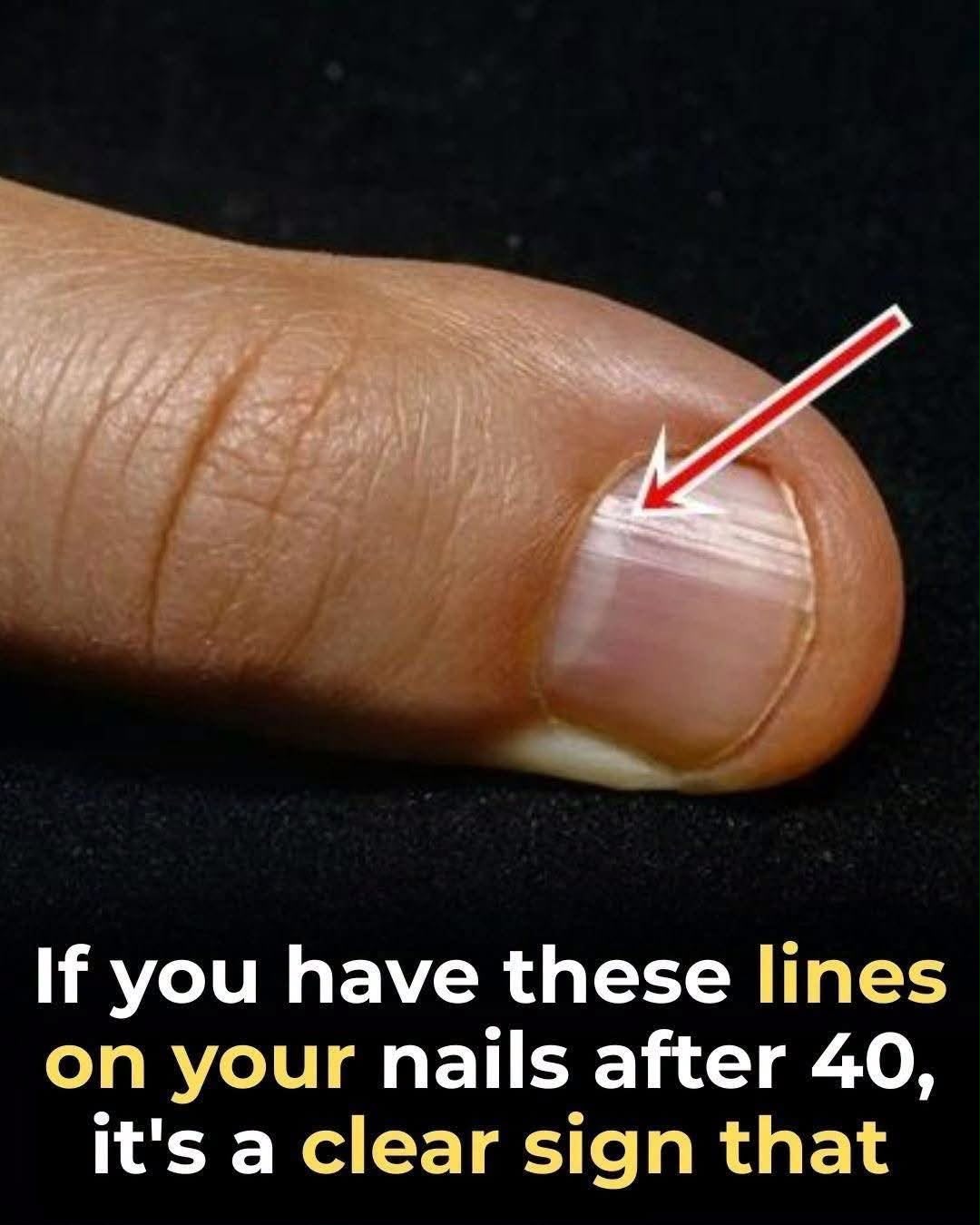
In the digital age, health awareness tips, bodily trivia, and lifestyle advice have become an undeniable staple of social media feeds. Every single day, millions of users stop scrolling to examine physical symptoms, read about bodily changes after age 40, or check their own nails for mysterious lines and ridges.
What is the science behind nail changes, and how do physical health observations intersect with wellness management, skincare, and everyday health literacy? This comprehensive guide explores the biology of nail growth, common age-related changes, and the reality behind viral health claims.
The Science of Nail Growth and Age-Related Changes
When people notice subtle vertical lines or ridges forming on their fingernails later in life, curiosity and concern often follow.
1. Understanding Nail Plate Structure
Fingernails are made of a hardened protein called keratin, produced by living cells beneath the cuticle.
- Natural Aging Process: Just as skin changes and hair throws off new textures over time, the matrix beneath the nail can produce microscopic variations in cell production, leading to visible vertical ridges as people age.
- Moisture and Environment: Frequent hand washing, dry weather, and natural reductions in skin and nail hydration can make surface lines more pronounced over the years.
2. Differentiating Normal Variants from Health Indicators
While viral social media posts often sensationalize minor physical quirks as alarming signs, medical reality is usually more nuanced.
- Vertical vs. Horizontal Lines: Vertical ridges running from the cuticle to the tip of the nail are typically a harmless, normal part of the aging process. Conversely, deep horizontal depressions (known as Beau’s lines) can sometimes indicate past systemic stress, illness, or nutritional interruptions.
- Consulting Professionals: True health concerns should always be evaluated by a qualified dermatologist or healthcare provider rather than online quizzes or sensationalized captions.
H2: The Broader Impact: Health Literacy, Wellness, and Digital Content
Encountering health trivia and body-monitoring tips online sparks a broader reassessment of how we consume medical information, maintain personal wellness, and evaluate digital media.
H3: Safety and Critical Thinking Regarding Online Health Claims
Whenever you read sensationalized health warnings on social media, maintaining a healthy level of skepticism is essential.
- Distinguishing Entertainment from Medical Advice: Recognize that most viral health posts are designed for clickbait engagement rather than clinical accuracy. Avoid using social media graphics as diagnostic tools.
- Promoting Health Literacy: Equipping yourself with factual anatomical knowledge helps you separate harmless physiological aging from actual medical conditions.
H3: The Financial and Practical Side of Digital Publishing
Understanding what drives health-related engagement ties directly into business, digital content creation, and online marketing strategies.
- Engagement Dynamics: Health curiosity content reliably sparks high click-through rates, shares, and comment debates as users check their own hands and compare notes.
- Balancing Screen Time: While monitoring personal health is important, maintaining a balanced approach to wellness media prevents unnecessary anxiety over normal bodily changes.
H2: Practical Tips for Maintaining Healthy Nails
If you want to keep your nails looking strong and well-conditioned as you age, use this step-by-step approach:
- Moisturize Regularly: Apply high-quality hand creams, cuticle oils, or hydrating balms daily to prevent dry, brittle nail plates.
- Protect Your Hands: Wear gloves when doing household cleaning or washing dishes to shield your hands and nails from harsh chemicals and excessive water exposure.
- Maintain Balanced Nutrition: Support overall keratin production by consuming a balanced diet rich in essential vitamins, proteins, and minerals.
- Consult a Doctor: If you notice sudden, painful, or unusual changes in your nails—such as deep horizontal grooves or discoloration—schedule an appointment with a dermatologist.
H2: Interesting Facts About Nail Biology
- Growth Rate: Fingernails grow at an average rate of about 3 millimeters per month, meaning a complete nail outgrowth takes roughly six months.
- Protective Function: Human nails evolved primarily to protect the sensitive tips of our fingers and toes, which are packed with nerve endings.
- Indicator of Overall Health: While minor ridges are normal, severe changes in nail color or texture can sometimes reflect broader metabolic or nutritional factors.
- Viral Appeal: Content focusing on personal health trivia and body features consistently ranks among the most shared topics across social media platforms.
Conclusion
Noticing changes in your nails as you age is a completely natural part of the human life cycle. Whether you are examining harmless vertical ridges or simply focusing on better hand care, understanding the biological reality behind physical changes helps cut through sensationalized online claims.
Beyond everyday grooming, cultivating strong health literacy encourages balanced wellness habits and critical thinking. The next time a viral health post crosses your feed, approach it with informed curiosity and proper care!
FAQ Section
Q1: Are vertical lines on fingernails normal after age 40?
A: Yes. Vertical ridges running from the cuticle to the tip are generally a harmless, natural part of the aging process caused by changes in how the nail matrix produces cells over time.
Q2: What is the difference between vertical and horizontal nail lines?
A: Vertical ridges are typically harmless signs of aging or mild dryness. Horizontal lines (Beau’s lines) are deeper grooves that can indicate a temporary interruption in nail growth due to illness, stress, or injury.
Q3: Can dry skin and hand washing make nail ridges more visible?
A: Absolutely. Frequent hand washing, low humidity, and lack of moisture can dry out the nail plate, making surface lines and ridges appear much more prominent.
Q4: How can I improve the appearance of ridged nails?
A: Regular use of hand lotions, cuticle oils, and gentle nail buffers can help smooth the nail surface and maintain healthy moisture levels.
Q5: When should I see a doctor about nail changes?
A: You should consult a dermatologist if you notice sudden color changes, painful swelling around the nail bed, persistent lifting, or deep horizontal indentations.
