
Finding love later in life can be one of the most fulfilling experiences a person can have. Age does not diminish the human need for companionship, intimacy, and emotional connection. In fact, many older adults discover that romantic relationships in their senior years bring a unique sense of joy, freedom, and emotional depth.
However, entering a new romantic relationship later in life also comes with its own unique set of psychological, financial, and relational challenges.
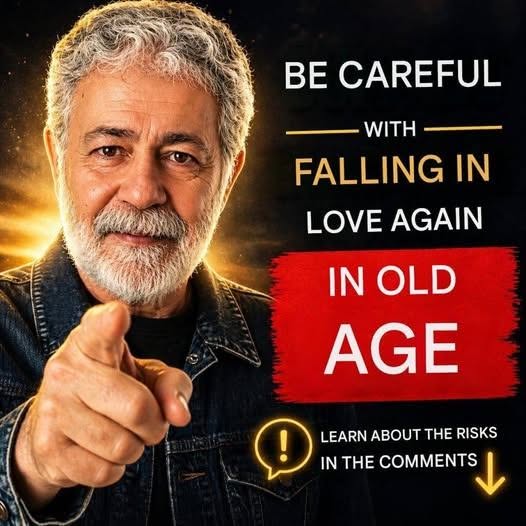
As highlighted in the viral image featuring a man pointing directly at the camera alongside the text: “BE CAREFUL WITH FALLING IN LOVE AGAIN IN OLD AGE — LEARN ABOUT THE RISKS IN THE COMMENTS”, taking a cautious, thoughtful approach to late-life romance is essential.
Whether you are re-entering the dating pool after the loss of a spouse, navigating divorce, or simply looking for companionship, understanding the emotional dynamics, family considerations, and modern online risks can help you find lasting happiness safely.
The Complexities of Romance Later in Life
Romantic relationships formed in mature adulthood differ significantly from youthful courtships. While younger couples often focus on building a career, buying a house, or raising a family together, seniors typically bring decades of life experience, established habits, and complex personal histories into a new dynamic.
Key Considerations for Late-Life Dating
- Blended Families and adult Children: Older adults frequently face skepticism or resistance from adult children. Family members may worry about quick emotional decisions, inheritance implications, or caretaking burdens. Open communication and clear boundaries help ease these family anxieties.
- Financial and Legal Independence: Senior relationships often involve merging—or deciding not to merge—established assets, pensions, retirement savings, and real estate. Consulting a legal professional about prenuptial agreements or estate planning ensures clarity for both partners.
- Health and Caretaking Realities: Aging brings physical changes and potential health challenges. Late-life partners must communicate openly about expectations regarding long-term care, health care proxies, and mutual support during illness.
Beware of Romance Scams Targeting Seniors
While legitimate late-life romance is deeply rewarding, the rise of digital dating apps and social media platforms has created new vulnerabilities for older adults.
+-----------------------------------------------------------------------------------+
|                        NAVIGATING LATE-LIFE ROMANCE SAFELY                        |
+-------------------+----------------------------+----------------------------------+
| Dynamic / Threat  | Common Warning Signs       | Best Protective Action           |
+-------------------+----------------------------+----------------------------------+
| Online Scams      | Asks for Money / Wire      | Never Send Money to Strangers    |
| Financial Risks   | Pressure to Merge Assets   | Keep Personal Accounts Separate  |
| Family Friction   | Secrecy from Relatives     | Include Adult Kids in Key Steps  |
+-------------------+----------------------------+----------------------------------+
What Is a Romance Scam?
In a romance scam, bad actors create convincing fake profiles on dating websites, social media platforms, or messaging apps. They target seniors seeking companionship, building trust over weeks or months through frequent messages and affection before claiming an urgent emergency requiring money.
Red Flags to Watch For
- Rapid Expressions of Intense Love: The individual declares deep romantic love within days or weeks of meeting online (love bombing).
- Refusal to Meet in Person or Video Call: They consistently make excuses to avoid video calls, phone chats, or face-to-face meetings (claiming overseas military service, remote offshore work, or unexpected travel delays).
- Financial Requests: They ask for financial help, gift cards, crypto transfers, or wire payments for alleged emergencies, medical bills, or travel tickets to visit you.
How to Protect Your Heart and Assets While Dating
Protecting yourself emotionally and financially does not mean closing your heart to new connections. It simply means applying smart, healthy boundaries:
1. Take Things Slowly
Allow relationships to develop naturally over time. Avoid rushing into cohabitation, joint financial commitments, or major life changes until you have spent significant time together in person.
2. Verify Online Connections
Always perform a reverse image search on profile pictures of people you meet online. If their picture appears under multiple names across the web, it is a clear sign of a fraudulent account.
3. Keep Financial Matters Separate
Never share bank details, credit card information, or online passwords with a new partner. Keep retirement funds and personal accounts distinct, especially in the early stages of a relationship.
4. Stay Connected with Family and Friends
Maintain your established social circle and family relationships. Trusted friends and adult children provide valuable perspective and can help spot red flags you might overlook when swept up in new affection.
Financial Impact: Safeguarding Retirement Savings
Protecting your finances while dating ensures long-term security:
- Protecting Fixed Incomes: Many seniors live on fixed retirement incomes or annuities. Financial deception or hasty investments with a new partner can threaten long-term stability and healthcare access.
- Estate Planning Protection: Updating wills, trusts, and power of attorney documents ensures your assets are distributed according to your true wishes without creating legal disputes among surviving family members.
Fascinating Facts About Love in Later Years
- Higher Relationship Satisfaction: Studies indicate that older adults who form new romantic relationships often report higher levels of emotional satisfaction and lower conflict rates compared to younger couples, largely due to emotional maturity and clearer personal priorities.
- Health Benefits: Companionship in later life is associated with lower rates of depression, reduced feelings of loneliness, improved immune function, and better overall cognitive health.
Conclusion: Empathy, Wisdom, and Safe Companionship
Falling in love in old age can bring tremendous happiness, comfort, and renewed energy. Age should never be an obstacle to seeking meaningful connection and romantic joy.
By remaining aware of online risks, keeping personal finances secure, and moving forward with patience and open communication, older adults can navigate late-life romance safely—enjoying all the warmth of companionship while keeping their heart and future secure.
Frequently Asked Questions
Q1: Is it normal to feel guilty about dating after losing a spouse?
A1: Yes, experiencing mixed emotions or guilt is extremely common. Grief and the desire for new companionship can co-exist. Remember that seeking joy and connection does not erase the love you shared with a past partner.
Q2: How can I tell if an online dating profile is fake?
A2: Look for sparse profile details, overly polished model-like photos, rapid declarations of love, and excuses for never meeting in person or turning on a camera during calls.
Q3: Should I introduce a new partner to my adult children?
A3: Yes. Introducing a new partner after you have established a solid connection fosters transparency, helps build family harmony, and allows your loved ones to share in your happiness.
Q4: Is cohabitation or marriage better for seniors entering a new relationship?
A4: Every situation is unique. Many older couples choose cohabitation or long-term commitment without legal marriage to simplify pension benefits, healthcare coverage, and inheritance plans.
Q5: What should I do if I suspect a friend or parent is being scammed online?
A5: Approach the topic with empathy rather than judgment. Calmly explain common online romance tricks, help them perform an image search on the suspect profile, and encourage them to stop sending money or personal details immediately.
