
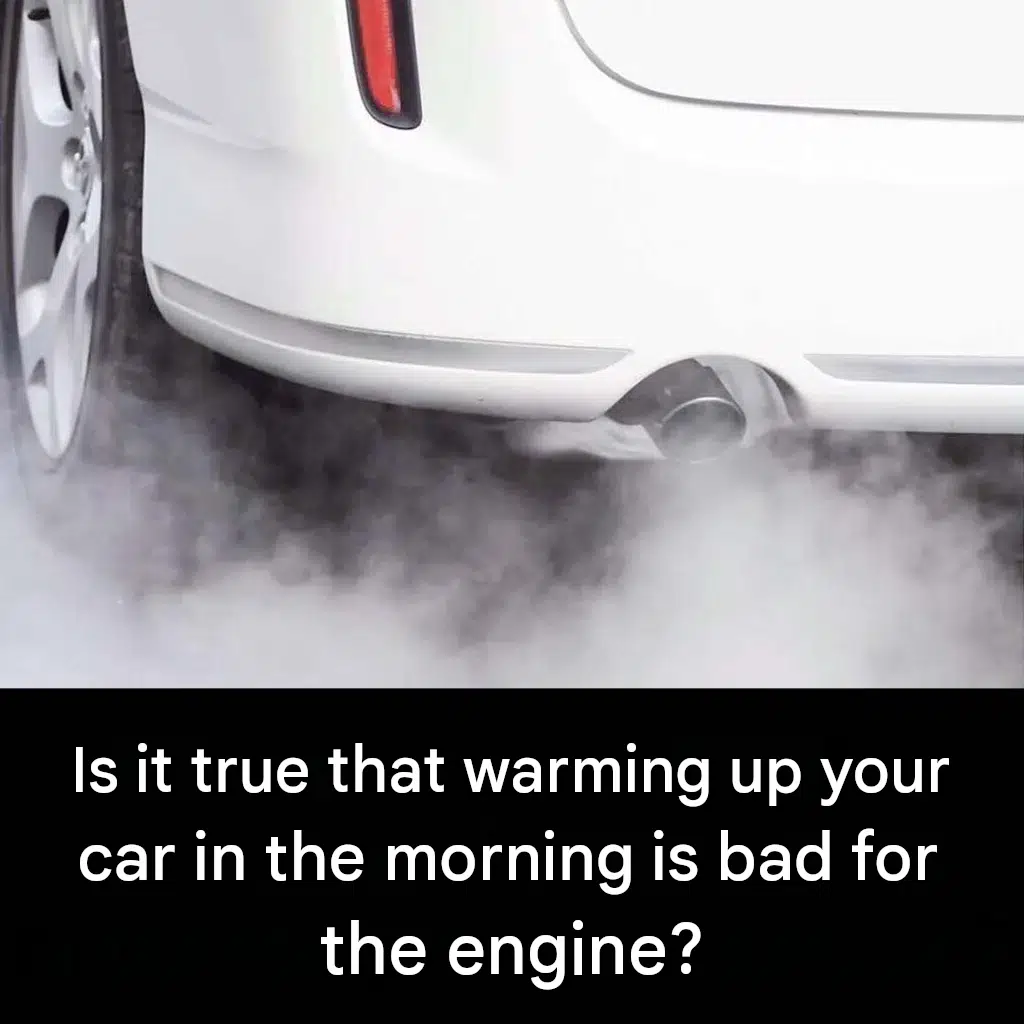
For generations, drivers have followed the habitual morning routine of walking out to their vehicles, starting the ignition, and letting the engine idle in the driveway for 10 to 15 minutes to “warm up” before heading out—especially during chilly winter months. The common belief has always been that giving a cold engine time to heat up prevents wear and tear, ensures smooth operation, and protects internal components.
However, modern automotive engineering, fuel injection technology, and engine management systems have completely changed how vehicles operate. Today, letting your car idle for extended periods in the morning is not only unnecessary, but it can actually be inefficient and potentially harmful to your engine’s long-term health.
In this comprehensive guide, we will explore the science behind cold-engine idling, why modern vehicles operate differently than older carbureted cars, practical tips for safe winter driving, and ways to protect your vehicle, fuel economy, and financial investments.
The Evolution of Engines: Carburetors vs. Modern Fuel Injection
To understand why traditional morning warm-ups are outdated, it helps to look at how engine technology has advanced over the decades:
The Era of Carburetors (Older Vehicles)
In older cars built decades ago, engines used carburetors to mix air and fuel. When temperatures dropped, liquid fuel would condense on cold metal intake manifolds, causing the engine to sputter, stall, or run poorly unless given several minutes to idle and warm up the metal components.
Modern Fuel Injection (Today’s Vehicles)
Virtually all modern passenger cars feature computer-controlled electronic fuel injection (EFI). Sensors monitor ambient air and engine temperatures, immediately adjusting the air-fuel mixture to ensure smooth combustion the moment you turn the key. Because of this precision, modern engines only require about 30 seconds of idling for oil pressure to stabilize before they are ready to drive.
Why Prolonged Idling Can Harm Your Engine
While letting a car idle for a few minutes feels harmless, extended idling introduces several negative effects:
1. Fuel Wash and Cylinder Wear
When an engine runs cold, the fuel injection system delivers a richer fuel mixture to keep the engine from stalling. Excess liquid fuel can wash away the protective oil film on cylinder walls, leading to increased friction, premature wear on piston rings, and degraded engine efficiency.
2. Carbon Buildup on Spark Plugs and Valves
Idling prevents the engine from reaching its optimal operating temperature quickly. Low combustion temperatures lead to incomplete fuel burning, which creates carbon deposits on spark plugs, oxygen sensors, and exhaust valves.
3. Accelerated Exhaust System Degradation
When fuel burns incompletely during prolonged idling, moisture and acidic byproducts accumulate in the exhaust system. Without hot exhaust gases pushing moisture out rapidly, corrosion and rust can form inside mufflers and tailpipes prematurely.
4. Unnecessary Fuel Consumption and Emissions
Idling gets zero miles per gallon. Letting your car sit in the driveway burning fuel wastes money and releases unnecessary greenhouse gases into the atmosphere without serving a functional purpose.
10 Ways to Properly Manage Cold-Weather Driving
1. Limit Initial Idling to 30 Seconds
Give your engine about 30 seconds after starting to allow oil pumps to circulate lubrication through vital components, and then begin driving gently.
2. Drive Gently Until Warm
The fastest and most efficient way to warm up a modern engine is to drive at moderate speeds. Avoid heavy acceleration or high RPMs until the temperature gauge reaches normal operating levels.
3. Clear Ice and Snow Completely
Never skip clearing snow and ice from your windshield, side windows, and roof. Visibility is critical for safety, regardless of engine temperature.
4. Protect Your Battery in Cold Weather
Cold temperatures reduce battery efficiency. Ensure your battery terminals are clean and your electrical system is tested regularly to prevent unexpected morning no-starts.
5. Check Tire Pressure Regularly
As ambient temperatures drop, tire pressure decreases. Maintaining correct inflation levels improves traction, braking, and fuel efficiency.
6. Keep Windshield Washer Fluid Stocked
Use winter-grade windshield washer fluid formulated with anti-freeze properties to prevent fluid reservoirs and spray nozzles from freezing solid.
7. Review Comprehensive Auto Insurance
Ensure your insurance coverage includes roadside assistance and comprehensive protection for unexpected winter weather incidents.
8. Inspect Brakes and Fluids
Routine maintenance checks on brake pads, coolant levels, and synthetic motor oils keep your car running reliably through harsh weather.
9. Park in a Garage or Sheltered Area
Whenever possible, parking your vehicle inside a garage shields it from freezing overnight temperatures, frost, and snow accumulation.
10. Financial and Fuel Efficiency Planning
Eliminating unnecessary morning idling saves fuel over time, protecting your household budget and reducing vehicle wear.
Comparison: Prolonged Idling vs. Gentle Driving
To help evaluate the best morning routine, review the following comparison table:
| Morning Practice | Engine Impact | Fuel Efficiency | Environmental & Cost Result |
| 15-Minute Idling | Potential cylinder wear, carbon buildup, and oil dilution. | Zero MPG while parked. | Wastes fuel, increases emissions, and costs money. |
| 30-Sec Idle + Gentle Driving | Rapidly achieves optimal operating temperature safely. | Maximum efficiency. | Conserves fuel, reduces emissions, and protects engine life. |
       ┌────────────────────────────────────────────────────────┐
       │     Starting Your Vehicle on Cold Morning Conditions   │
       └───────────────────────────┬────────────────────────────┘
                                   │
                                   ▼
       ┌────────────────────────────────────────────────────────┐
       │    Limit Idling to 30 Seconds & Drive Gently Away      │
       └───────────────────────────┬────────────────────────────┘
                                   │
                    ┌──────────────┴──────────────┐
                    ▼                             ▼
       ┌────────────────────────┐    ┌────────────────────────┐
       │ Engine Warms Efficiently│    │ Protects Fuel Economy, │
       │ via Normal Driving     │    │ Engine & Environment   │
       └────────────────────────┘    └────────────────────────┘
Practical Tips for Winter Vehicle Maintenance
Preparing your car for cold seasons ensures smooth commutes and prevents breakdowns:
- Use Synthetic Motor Oils: Synthetic oils flow more easily at extremely low temperatures, providing instant lubrication to engine components upon startup.
- Inspect Heater and Defrosters: Make sure your cabin heating and window defroster systems function correctly to maintain clear visibility during frosty mornings.
- Keep an Emergency Kit: Stock your trunk with a snow brush, ice scraper, booster cables, flashlight, and warm blankets for winter emergencies.
Financial, Insurance, and Legal Considerations
Proper vehicle care extends beyond mechanical performance—it protects your financial investments:
- Preventing Expensive Repairs: Avoiding harmful idling habits reduces long-term engine wear and expensive repair bills.
- Insurance and Safety Standards: Maintaining proper vehicle visibility, tire tread depth, and braking systems keeps you safe and compliant with road safety laws.
- Protecting Asset Value: Routine preventative maintenance preserves the resale value and reliability of your automobile.
Fascinating Facts About Automotive Engineering
- Lubrication Speed: Modern oil pumps circulate motor oil throughout a running engine within seconds of ignition, meaning prolonged idling is completely unnecessary for oil distribution.
- Heat Generation: Engines generate heat much faster under a light driving load than when sitting stationary in park idling in the driveway.
- Environmental Regulations: Many cities and municipalities enforce anti-idling laws to reduce urban air pollution and unnecessary carbon emissions.
Frequently Asked Questions (FAQ)
Is it true that warming up your car in the morning is bad for the engine?
Yes. Letting a modern fuel-injected car idle for 10 to 15 minutes wastes fuel, increases harmful engine wear due to oil dilution, and causes carbon buildup. Modern cars only need about 30 seconds of idling before driving gently.
How long should I actually let my car idle on a freezing morning?
About 30 seconds to 1 minute is more than enough time for modern oil pumps to circulate fluid through the engine. After that, you can drive away safely as long as you keep RPMs moderate until the engine warms up.
Will driving immediately damage a cold engine?
No, as long as you drive gently and avoid heavy acceleration or high speeds during the first few miles. Driving puts a light load on the engine, helping it warm up to its ideal operating temperature much faster than idling.
Conclusion: Ditch the Long Idle and Drive Smart
The old habit of letting your car idle for extended periods on cold mornings belongs to the era of carburetors and outdated technology. Modern vehicles are engineered to warm up quickly and efficiently while being driven gently.
By limiting your morning idle time to 30 seconds, driving smoothly until operating temperatures rise, and maintaining your vehicle properly, you will save fuel, protect your engine, and enjoy trouble-free driving all year round!
