
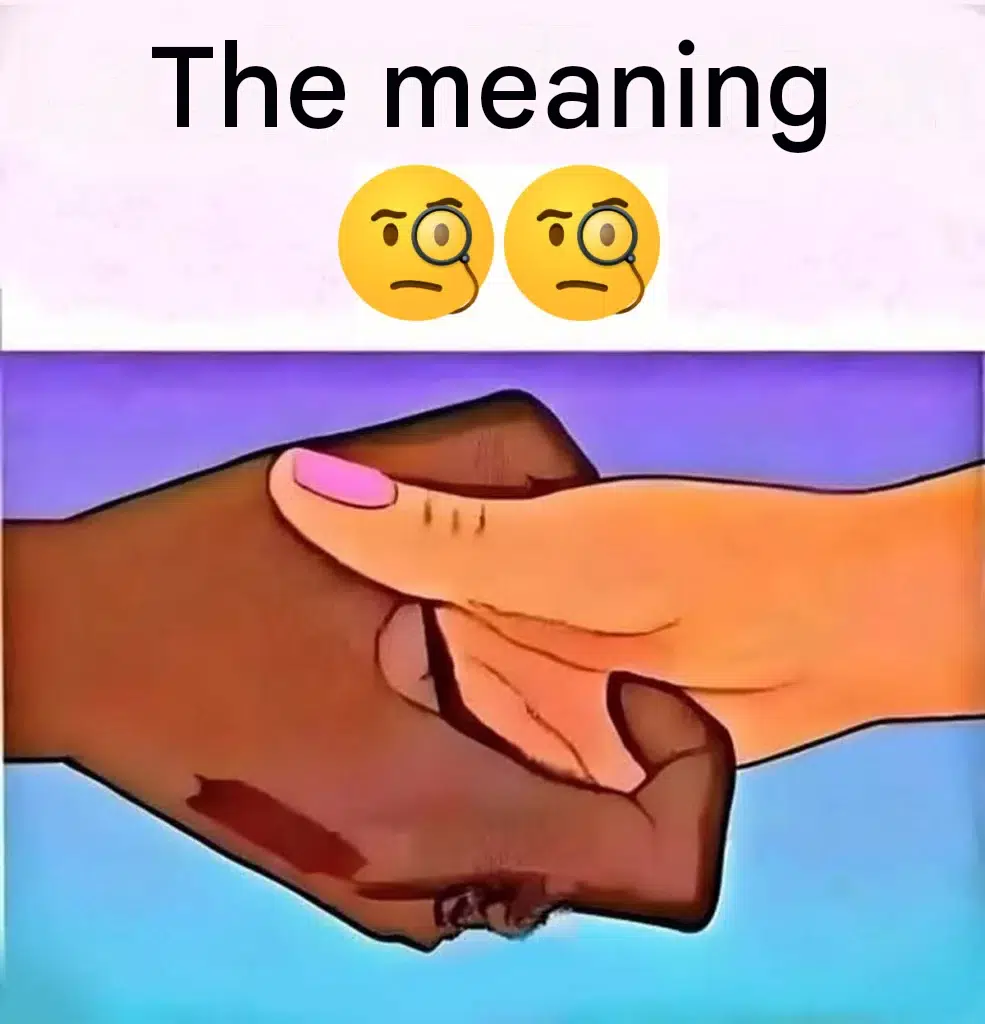
Human communication extends far beyond spoken words. From facial expressions and posture to subtle gestures and handshakes, non-verbal cues play a powerful role in how we express emotions, intentions, and psychological states. Throughout history, specific gestures have carried hidden meanings, social codes, and psychological interpretations that fascinate observers.
When people encounter unusual or symbolic gestures—such as a unique handshake or grip—it often sparks curiosity about what lies beneath the surface. Understanding body language requires examining the context, psychology, and interpersonal dynamics at play.
In this comprehensive guide, we will explore the fascinating world of non-verbal communication, the psychology of handshakes, how body language shapes social perception, and practical tips for improving your interpersonal awareness.
The Psychology of Non-Verbal Communication
Experts in behavioral psychology estimate that a significant portion of daily human communication occurs non-verbally. Handshakes, in particular, have served as universal symbols of greeting, trust, agreements, and solidarity for centuries.
Why Handshakes Matter
- First Impressions: A firm handshake has traditionally symbolized confidence, sincerity, and mutual respect in professional and social settings.
- Power Dynamics: Subtle adjustments in hand positioning or grip pressure can communicate dominance, submission, equality, or emotional reassurance.
- Cultural Significance: Different cultures possess unique greeting traditions, ranging from formal bows to specialized handshakes that indicate social bonding or allegiance.
10 Ways to Understand and Interpret Body Language Gestures
1. Analyzing Hand Placement and Grip
The way two hands meet during a greeting can reveal a lot about comfort levels, trust, and the nature of the relationship between the individuals.
2. Facial Expressions and Micro-Expressions
Micro-expressions are brief, involuntary facial movements that occur when someone attempts to conceal their true emotions, providing valuable clues into their psychological state.
3. Posture and Body Orientation
Leaning toward someone typically indicates interest, agreement, and rapport, whereas leaning away suggests discomfort, detachment, or disagreement.
4. Eye Contact Dynamics
Maintaining steady eye contact generally conveys honesty and engagement, while avoiding eye contact can signal anxiety, shyness, or deceit.
5. Open Versus Closed Gestures
Crossed arms and defensive postures often signal guardedness or resistance, while open hand gestures indicate receptiveness and transparency.
6. Proximity and Personal Space
How close people stand to one another reflects their level of intimacy, cultural background, and comfort within a given environment.
7. Mirroring Behavior
When two people subconsciously copy each other’s posture or gestures, it signifies a strong sense of rapport, empathy, and mutual understanding.
8. Nervous Fidgeting Cues
Fidgeting with clothing, accessories, or hands can indicate impatience, nervousness, or underlying stress during high-stakes interactions.
9. Emotional Synchrony
Sharing coordinated non-verbal responses during conversations helps build trust and strengthens social bonds between friends, partners, or colleagues.
10. Financial and Professional Networking
Mastering professional body language and confident handshakes plays a vital role in career advancement, business negotiations, and leadership success.
Comparison: Open Body Language vs. Guarded Postures
To help evaluate non-verbal cues effectively, review the following comparison table:
| Body Language Sign | Open / Positive Interpretation | Guarded / Defensive Interpretation |
| Hand Gestures | Open palms, welcoming grips, relaxed fingers. | Clenched fists, tight grips, hidden hands. |
| Posture | Upright, relaxed, leaning slightly forward. | Slouched, crossed arms, turning away. |
| Eye Contact | Steady, warm, and engaging gaze. | Darting eyes, avoiding direct eye contact. |
| Proximity | Comfortable closeness reflecting rapport. | Maintaining excessive distance or retreating. |
       ┌────────────────────────────────────────────────────────┐
       │     Observing Non-Verbal Cues & Handshake Gestures     │
       └───────────────────────────┬────────────────────────────┘
                                   │
                                   ▼
       ┌────────────────────────────────────────────────────────┐
       │      Analyzing Context, Psychology & Body Language     │
       └───────────────────────────┬────────────────────────────┘
                                   │
                    ┌──────────────┴──────────────┐
                    ▼                             ▼
       ┌────────────────────────┐    ┌────────────────────────┐
       │ Improving Interpersonal│    │ Protecting Legal,      │
       │ Rapport & Communication │    │ Financial & Asset Trust │
       └────────────────────────┘    └────────────────────────┘
Practical Tips for Enhancing Non-Verbal Awareness
Developing a better understanding of body language improves personal relationships and professional interactions:
- Pay Attention to Congruence: Ensure a person’s spoken words match their non-verbal cues; contradictions often reveal hidden feelings or hesitation.
- Consider Cultural Context: Remember that body language and gesture meanings can vary dramatically across different cultures and regions.
- Practice Active Listening: Combine attentive listening with positive body language—such as nodding and open posture—to foster deeper trust.
Financial, Legal, and Professional Considerations
Effective communication and trust-building extend into professional and legal spheres:
- Business Negotiations: Understanding non-verbal cues gives professionals an edge during commercial contracts, client meetings, and legal agreements.
- Protecting Financial Assets: Building trusting, transparent relationships in business and finance safeguards investments and partnerships against miscommunication.
- Maintaining Professional Integrity: Clear communication prevents misunderstandings and promotes ethical standards across corporate and legal environments.
Fascinating Facts About Human Communication
- Ancient Origins: Historical historians believe early handshakes originated as a way to demonstrate that hands were empty of weapons, proving peaceful intentions.
- The Speed of Perception: Human brains process facial expressions and body language in milliseconds—often before conscious thought even registers the interaction.
- Universal Expressions: Certain core emotional expressions, such as smiling or frowning, are universally recognized across nearly every human culture on Earth.
Frequently Asked Questions (FAQ)
What does a unique or complex handshake typically symbolize?
Complex handshakes often symbolize deep camaraderie, shared secrets, group affiliation, or playful bonding between friends and peers.
Can body language be completely controlled?
While people can consciously manage certain gestures, subtle micro-expressions and involuntary postural shifts often leak true emotions.
Why is non-verbal communication so important in relationships?
Non-verbal cues account for a massive portion of human interaction, helping convey empathy, affection, and emotional honesty beyond simple words.
Conclusion: Decoding the Language of Gestures
Understanding the hidden meanings behind handshakes and body language opens a fascinating window into human psychology. By paying attention to non-verbal cues, maintaining open communication, and fostering genuine trust, you can navigate social and professional relationships with confidence and clarity!
