
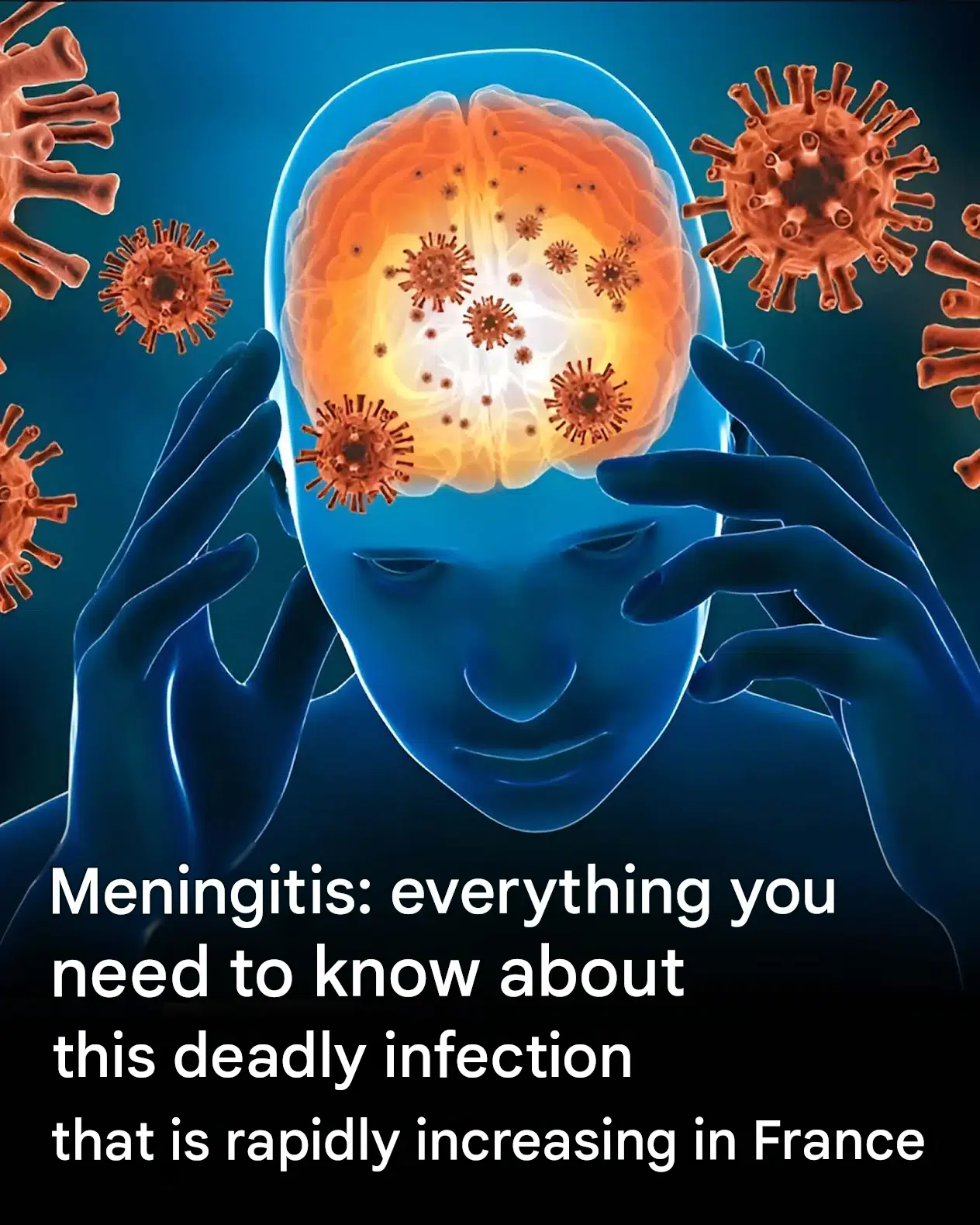
Infectious diseases have always posed a significant challenge to global public health. Among the most feared and rapidly evolving threats are infections that target the central nervous system. Recently, public health alerts and media reports have highlighted a concerning surge in meningitis cases across various European nations, notably in France. Understanding the causes, transmission, early warning signs, and prevention strategies for meningitis is critical for protecting yourself and your loved ones.
Meningitis is an inflammation of the protective membranes—known as the meninges—surrounding the brain and spinal cord. While viral meningitis is relatively common and often less severe, bacterial meningitis is a medical emergency that can become fatal within hours if left untreated. In this comprehensive guide, we explore the alarming rise of meningitis cases, the vital symptoms to watch out for, modern medical prevention strategies, and how proactive healthcare management protects your long-term health, secures your health insurance coverage, and safeguards your financial future.
Understanding Meningitis: Viral vs. Bacterial Causes
To grasp the severity of recent health trends, it is essential to understand the different forms of meningitis and how they affect the human body.
Viral Meningitis
Viral meningitis is the most common form of the disease. While it can cause uncomfortable symptoms such as fever, headache, and stiff neck, most people recover completely without specific medical treatment within a few weeks.
Bacterial Meningitis
Bacterial meningitis is much rarer but far more dangerous. Caused by bacteria such as Neisseria meningitidis (meningococcus) or Streptococcus pneumoniae, it can cause rapid brain damage, sepsis, and death. Bacterial meningitis spreads through respiratory droplets from throat and nasal secretions during close contact, coughing, or sneezing. The rapid increase in bacterial meningitis cases in regions like France has alarmed health authorities, prompting renewed public health campaigns emphasizing vaccination and early symptom recognition.
Critical Warning Signs and Symptoms You Cannot Ignore
Meningitis can develop rapidly, often mimicking flu-like symptoms in its initial stages. Recognizing the warning signs before the infection progresses is vital for saving lives.
Key Symptoms to Monitor
- Sudden High Fever: An abrupt, unexplained spike in body temperature is often one of the first warning signs.
- Severe, Throbbing Headache: Unlike ordinary headaches, meningitis-related head pain is intensely severe and persistent.
- Stiff Neck (Nuchal Rigidity): Inability to touch your chin to your chest due to rigidity in the neck muscles is a classic indicator of meningeal irritation.
- Nausea and Vomiting: Gastrointestinal upset, often accompanied by a loss of appetite.
- Confusion or Altered Mental State: Difficulty concentrating, drowsiness, or unresponsiveness.
- Sensitivity to Light (Photophobia): Eye pain or discomfort when exposed to bright lights.
- Characteristic Rash: In meningococcal meningitis, a distinct red or purple pinprick rash that does not fade under pressure (non-blanching rash) may appear.
If you or someone around you exhibits a combination of these symptoms, seek emergency medical attention immediately. Quick intervention with intravenous antibiotics and supportive care can mean the difference between full recovery and permanent disability or death.
The Importance of Vaccination and Public Health Measures
Preventative immunization remains the single most effective tool for curbing the spread of bacterial meningitis. Public health agencies continually update vaccination recommendations, particularly for high-risk groups such as infants, adolescents, college students living in dormitories, and travelers.
Protecting Your Community
- Routine Immunizations: Ensure children and adolescents receive scheduled vaccines against meningococcal, pneumococcal, and Haemophilus influenzae type b (Hib) bacteria.
- Travel Precautions: If traveling to regions experiencing active outbreaks, consult a healthcare provider regarding recommended travel immunizations.
- Hygiene Practices: Regular handwashing, avoiding sharing utensils or drinking glasses, and covering coughs help reduce the transmission of respiratory pathogens.
Financial, Legal, and Healthcare Planning
Facing a sudden, severe medical emergency like meningitis underscores the importance of being fully prepared across all aspects of life.
Safeguarding Your Future
- Health Insurance Coverage: Ensure your health insurance policy provides robust coverage for emergency room visits, specialist consultations, and intensive care treatments, shielding your personal finance from catastrophic out-of-pocket costs.
- Retirement and Financial Planning: Maintaining adequate emergency savings protects your long-term retirement funds and investment portfolios against unexpected health crises.
- Legal Protections: Consulting qualified attorneys for professional legal services to establish healthcare proxies or living wills ensures your medical wishes are honored if you are incapacitated.
Interesting Facts About Meningitis and Brain Health
- Rapid Progression: Bacterial meningitis can become fatal in as little as 24 to 48 hours after symptom onset, making rapid diagnosis critical.
- Global Impact: Hundreds of thousands of cases occur globally each year, prompting WHO-led initiatives to defeat meningitis worldwide by 2030.
- Survivors’ Aftermath: Even with prompt treatment, up to 20% of bacterial meningitis survivors suffer permanent long-term consequences, including hearing loss, neurological damage, or limb loss.
- Historical Context: Meningitis has been documented for centuries, but modern antibiotics and vaccines have dramatically shifted survival rates over the past seventy years.
Conclusion
The rising incidence of meningitis, particularly in regions like France, serves as a sobering reminder of the importance of vigilance, preventative vaccination, and health literacy. By recognizing the early warning signs—such as a stiff neck, high fever, and severe headache—and seeking prompt medical care, lives can be saved. As you manage your daily responsibilities, career, education, and long-term retirement goals, never underestimate the value of proactive health management and preparedness.
Frequently Asked Questions (FAQ)
1. Is bacterial meningitis contagious?
Yes, bacterial meningitis can be contagious, spreading through exchange of respiratory and throat secretions (such as through kissing, coughing, or sneezing) during close or prolonged contact. However, the bacteria do not spread as easily as cold or flu viruses.
2. How is meningitis diagnosed?
Diagnosing meningitis typically requires a physical examination, blood tests, and a lumbar puncture (spinal tap) to analyze cerebrospinal fluid for signs of bacterial or viral infection.
3. Can viral meningitis be treated with antibiotics?
No. Antibiotics are ineffective against viral infections. Viral meningitis usually resolves on its own with rest, hydration, and pain relievers, whereas bacterial meningitis requires immediate emergency antibiotic treatment.
