
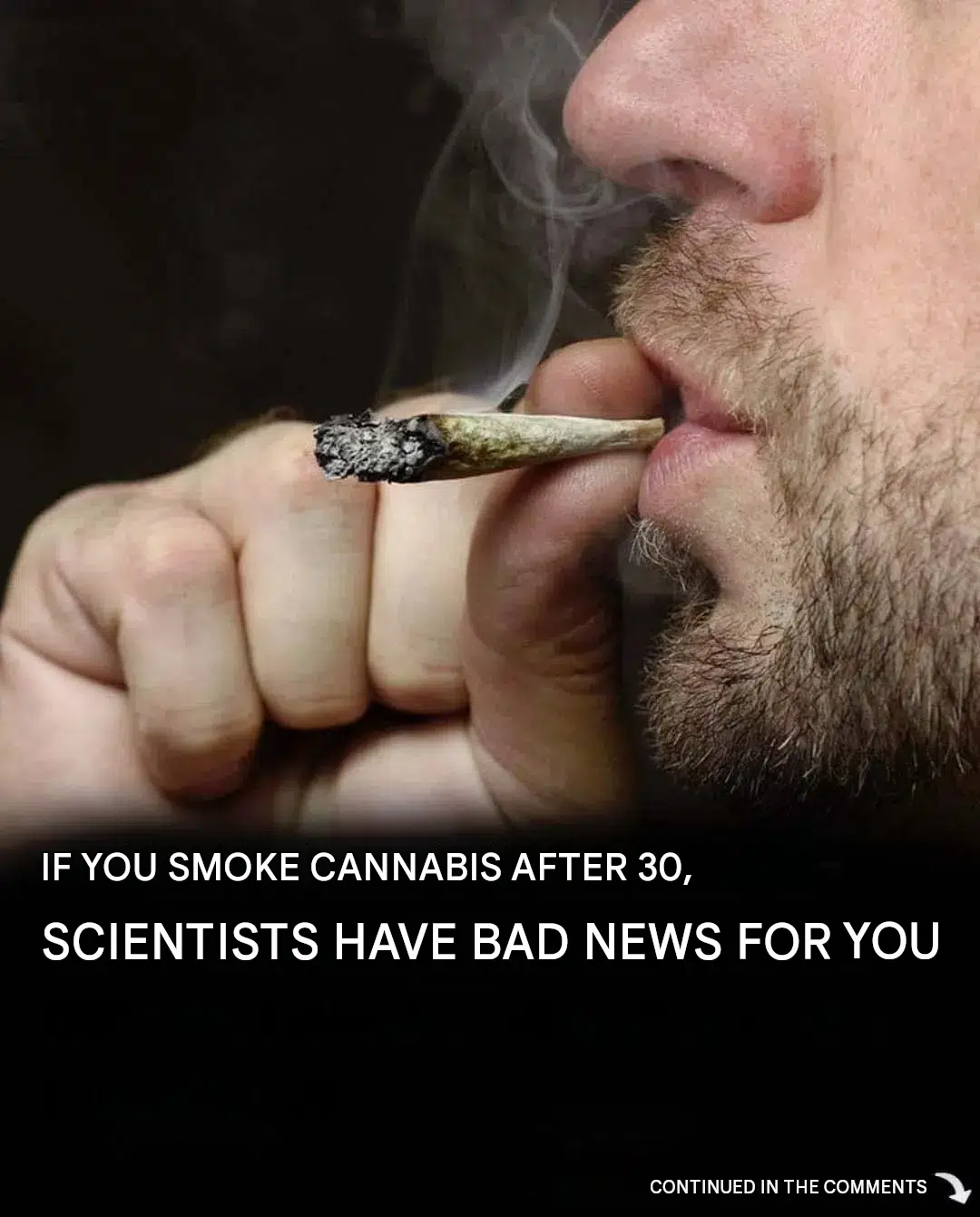
As social attitudes, legalization efforts, and medical research surrounding cannabis continue to evolve globally, millions of adults engage with cannabis products for recreation, relaxation, or health reasons. While much of the historical research on cannabis has focused on adolescent brain development and young adults, recent scientific studies are turning their attention toward how cannabis consumption impacts individuals past the age of 30.
Understanding what contemporary research reveals about cannabis use in adulthood helps consumers make informed lifestyle choices regarding wellness, cognitive health, and respiratory wellbeing.
The Changing Human Body and Metabolism After 30
As individuals transition past their twenties and into their thirties, human physiology undergoes subtle yet significant shifts. Metabolism slows down, cardiovascular elasticity changes, and the brain’s neurochemical balance settles into full adult maturity.
When introducing psychoactive or pharmacological substances like cannabis during or after middle adulthood, these physiological shifts alter how the body processes cannabinoids such as THC (tetrahydrocannabinol) and CBD (cannabidiol).
1. Slower Clearance and Prolonged Effects
Because adult metabolisms and liver enzyme efficiency shift with age, cannabinoids can remain active in the bloodstream longer than they do in younger individuals. This can lead to more prolonged psychoactive effects, increased grogginess the following day, or altered sleep patterns.
2. Cardiovascular Considerations
Inhalation of cannabis smoke—much like tobacco smoke—introduces carbon monoxide and particulate matter into the lungs, causing temporary increases in heart rate and blood pressure. For adults over 30, especially those with pre-existing cardiovascular sensitivities, these acute effects require careful consideration.
+-------------------------------------------------------------------+
|               PHYSIOLOGICAL SHIFTS AFTER AGE 30                   |
+-------------------------------------------------------------------+
| Biological System     | Impact of Cannabis Consumption            |
+-----------------------+-------------------------------------------+
| Hepatic Metabolism    | Slower processing of cannabinoids         |
| Cardiovascular System | Temporary spikes in heart rate & pressure |
| Respiratory Tract     | Potential irritation from combustion smoke|
+-------------------------------------------------------------------+
Key Health and Cognitive Findings from Recent Studies
Recent scientific evaluations highlight several areas of interest regarding adult cannabis consumers:
- Cognitive Processing and Memory: While chronic heavy use during adolescent years is strongly linked to developmental impacts, adult brains process cannabinoids differently. However, regular heavy consumption in mature adults can still affect short-term memory, executive functioning, and mental sharpness.
- Respiratory Health: Smoking cannabis joints involves inhaling combusted plant matter and tars, which can irritate bronchial airways and contribute to chronic bronchitis symptoms over time. Many health experts recommend alternative consumption methods—such as edibles or vaporization—to bypass respiratory risks.
- Sleep Architecture: While cannabis is frequently used as a sleep aid, scientific studies indicate that regular use can disrupt REM (Rapid Eye Movement) sleep, preventing deep, restorative slumber over the long term.
Comparing Methods of Consumption
| Consumption Method | Respiratory Impact | Onset Time & Duration |
| Smoking (Joints/Bongs) | High (Inhales tars and irritants) | Fast onset (minutes), moderate duration |
| Vaporization | Moderate (Heats without combustion) | Fast onset, moderate duration |
| Edibles & Tinctures | None (Ingested via digestive tract) | Slow onset (1-2 hours), prolonged duration |
Practical Tips for Mindful Consumption
If adults choose to incorporate cannabis into their routines, practicing mindfulness and moderation helps minimize negative side effects:
- Monitor Dosage: Start with low doses, especially with edibles, to avoid overwhelming psychoactive effects.
- Prioritize Smoke-Free Alternatives: Protect your lung health by exploring oils, tinctures, or vaporizers instead of traditional combustion smoking.
- Be Mindful of Frequency: Avoid daily or heavy consumption to maintain cognitive sharpness, healthy sleep cycles, and stable metabolic function.
Conclusion
Scientific research into cannabis consumption after age 30 underscores the importance of understanding how our bodies change over time. By staying informed about metabolic processing, cardiovascular responses, and respiratory health, adults can make balanced, health-conscious decisions regarding their personal wellness.
Frequently Asked Questions (FAQ)
What does science say about smoking cannabis after 30?
Research indicates that mature adult bodies process cannabinoids more slowly due to metabolic shifts, and regular smoking can impact respiratory health, cardiovascular function, and sleep quality.
Does cannabis affect memory differently in adults over 30?
While adolescent brain development is particularly vulnerable to cannabinoids, adults over 30 can still experience temporary impacts on short-term memory, focus, and cognitive processing with frequent use.
Is smoking cannabis worse for your lungs than edibles?
Yes. Smoking introduces combusted tars and irritants directly into the respiratory tract, whereas edibles bypass the lungs entirely by utilizing the digestive system.
How does cannabis impact sleep for adults?
While it may help individuals fall asleep initially, regular cannabis use can suppress REM sleep, leading to lower overall sleep quality and daytime fatigue.
