
Electricity is an invisible, powerful force that modern life completely depends on. We plug in appliances, charge mobile devices, and illuminate our homes daily without giving a second thought to the complex web of wiring hidden behind our walls. However, electrical systems experience normal wear and tear over time. Ignoring minor warnings or subtle red flags can lead to severe hazards, appliance damage, or electrical fires.
Recognizing little-known signs of electrical trouble allows homeowners to address issues early, safeguarding their property, family, and peace of mind.
Subtle Red Flags of Electrical Failure
While major issues like frequent circuit breaker trips or sparks are obvious, many dangerous electrical problems begin with subtle, easily overlooked symptoms.
1. Loose Wall Outlets and Receptacles
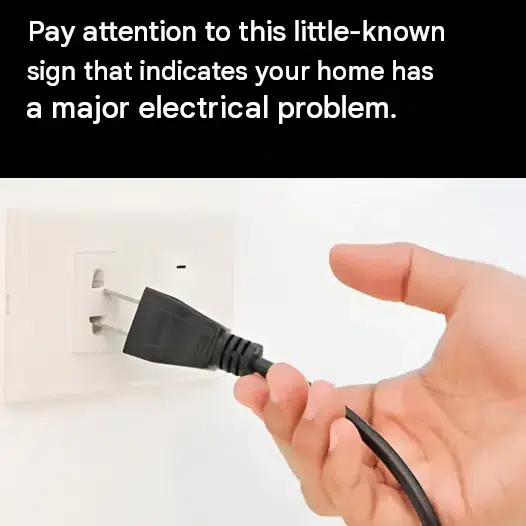
One of the most common yet underestimated warning signs is an electrical outlet that feels loose when plugging in a cord. If appliance plugs slip out easily or fail to stay firmly in place, the internal metal contact springs inside the receptacle have weakened. This looseness causes microscopic arcing—where electricity jumps across a small gap—generating intense localized heat that can melt plastic housing and ignite surrounding wall materials.
2. Discolored or Warm Switch Plates
If you notice switch plates or outlet covers feeling warm to the touch, or showing faint brownish discoloration and scorch marks, it indicates overloaded circuits or faulty internal wiring that requires immediate professional attention.
3. Faint Humming or Buzzing Sounds
While electrical panels and transformers emit subtle hums, hearing buzzing noises near wall switches or outlets points to loose wire connections or failing switches.
+-------------------------------------------------------------------+
|               COMMON WARNING SIGNS OF ELECTRICAL ISSUES           |
+-------------------------------------------------------------------+
| Warning Sign          | Potential Underlying Cause                |
+-----------------------+-------------------------------------------+
| Loose Outlet Plugs    | Worn internal springs, arcing, and heat   |
| Warm Switch Plates    | Circuit overload or loose wiring          |
| Buzzing Sounds        | Loose terminal screws or failing switches |
| Flickering Lights     | Voltage drops or shared appliance loads   |
+-------------------------------------------------------------------+
Home Safety, Insurance, and Legal Considerations
Maintaining a safe electrical system is vital not only for daily convenience but also for home insurance policies and property value.
- Insurance Compliance: Many homeowner insurance policies require electrical systems to meet current safety codes. Unaddressed DIY electrical fixes or ignored hazards can complicate claims in the event of an electrical fire.
- Professional Inspection: Always hire a licensed electrician to evaluate wiring, upgrade outdated breaker panels, and replace worn outlets. Attempting DIY electrical repairs without proper training carries serious risks of shock or fire.
Practical Tips for Electrical Safety at Home
- Test GFCI Outlets: Regularly test Ground Fault Circuit Interrupter (GFCI) outlets in kitchens and bathrooms to ensure they trip correctly when moisture or short circuits occur.
- Avoid Overloading Circuits: Refrain from daisy-chaining multiple extension cords and power strips together, as this draws excessive current and overheats wiring.
- Schedule Periodic Inspections: Have a qualified electrician inspect your home’s wiring if the property is over thirty years old or if you notice any unusual electrical behavior.
Conclusion
Paying attention to subtle warning signs—such as loose wall outlets, warm switch plates, or strange buzzing sounds—can protect your home from major electrical hazards. By prioritizing proactive maintenance and consulting licensed professionals when problems arise, you ensure a safe, secure, and well-maintained living environment.
Frequently Asked Questions (FAQ)
What causes an electrical outlet to become loose?
Over years of plugging and unplugging cords, the internal spring clips inside the outlet lose their tension, causing plugs to fit loosely and potentially sparking dangerous electrical arcing.
Is a warm outlet cover dangerous?
Yes. Warm or hot outlet covers indicate excessive electrical resistance, overloaded circuits, or loose internal wire connections that require immediate professional inspection.
Should I try to fix loose outlets myself?
Unless you are a trained professional, electrical repairs should always be handled by a licensed electrician to prevent shock, short circuits, or fire hazards.
