
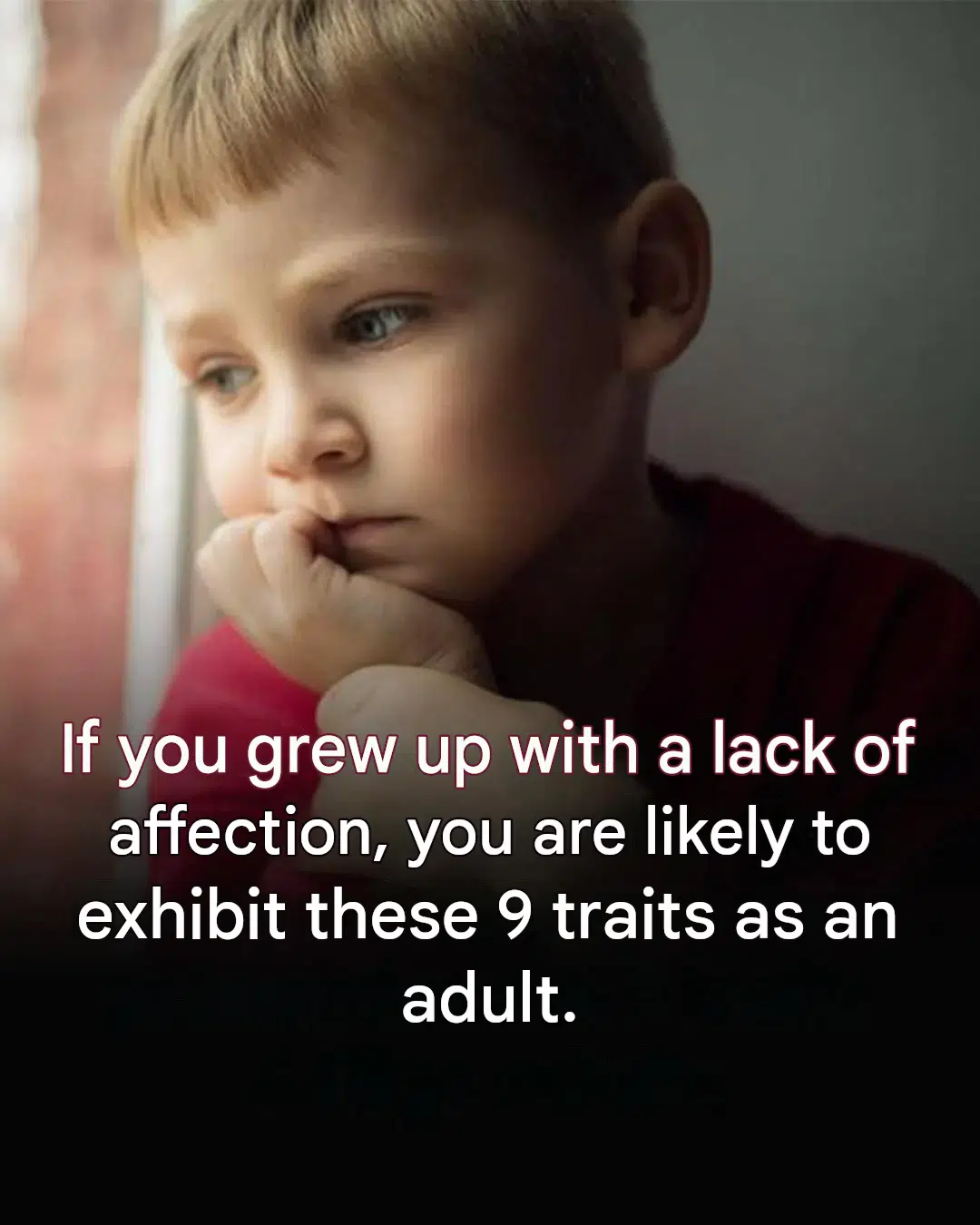
Early childhood experiences form the fundamental bedrock of human emotional development. During formative years, children rely heavily on consistent parental warmth, emotional validation, secure attachment, and physical affection to feel safe and valued. When growing up in an environment characterized by emotional coldness, neglect, or a lack of affection, children adapt defensively to cope with emotional isolation.
As these children mature into adulthood, the coping mechanisms formed in youth frequently manifest as distinct interpersonal patterns, emotional hurdles, and behavioral traits. Understanding these characteristics is not about assigning blame, but rather about fostering self-awareness, healing past emotional wounds, and building healthier relationships.
In this comprehensive guide, we will explore nine common traits exhibited by adults who grew up with a lack of affection, examine the psychological science behind attachment styles, and provide actionable steps toward emotional healing.
The Psychology of Childhood Attachment and Emotional Deprivation
To understand why a lack of affection during childhood leaves lasting footprints, it is helpful to look at attachment theory. Pioneered by psychologists like John Bowlby and Mary Ainsworth, attachment theory explains how early interactions with primary caregivers shape an individual’s expectations of intimacy throughout life.
The Impact of Emotional Neglect
When a child’s emotional bids are consistently ignored or met with cold indifference, the developing brain learns that vulnerability is unsafe. Consequently, adults who experienced childhood emotional deprivation often construct psychological armor to protect themselves from perceived rejection or abandonment.
9 Common Traits Exhibited by Adults Deprived of Affection
Recognizing these nine behavioral patterns can offer profound clarity regarding adult relationship struggles and personal emotional triggers.
                      +---------------------------------------+
                      |      9 TRAITS OF AFFECTIVE DEPRIVATION|
                      +---------------------------------------+
                                          |
         +--------------------------------+--------------------------------+
         |                                |                                |
         v                                v                                v
   [ ATTACHMENT STYLES ]          [ SELF-RELIANCE ]              [ EMOTIONAL PATTERNS ]
+---------------------+        +---------------------+        +---------------------+
| 1. Fear of intimacy |        | 4. Hyper-independence|       | 7. People-pleasing  |
| 2. Trust issues     |        | 5. Fear of rejection|        | 8. Low self-worth   |
| 3. High sensitivity |        | 6. Difficulty with  |        | 9. Difficulty setting|
|    to criticism     |        |    vulnerability    |        |    healthy bounds   |
+---------------------+        +---------------------+        +---------------------+
1. Deep-Seated Fear of Intimacy and Vulnerability
Allowing someone to get close emotionally feels terrifying when past experience tells you that closeness leads to disappointment. Adults lacking early affection often pull away just as a relationship begins to deepen.
2. Chronic Trust Issues and Suspicion
When primary caregivers fail to provide reliable emotional support, learning to trust new romantic partners or friends becomes an uphill battle. Constantly scanning for hidden motives or impending betrayal is a common defense mechanism.
3. Hyper-Independence and Reluctance to Ask for Help
Relying entirely on oneself feels safer than depending on others. Adults with affective deprivation often take pride in being hyper-independent, struggling immensely to ask for help even when overwhelmed.
4. Heightened Sensitivity to Criticism or Rejection
Because early emotional deprivation equates rejection with personal unworthiness, minor feedback or constructive criticism can trigger intense feelings of inadequacy, defensiveness, or emotional withdrawal.
5. People-Pleasing and Over-Accommodating Behaviors
To secure approval and avoid conflict, many individuals who grew up without affection morph into chronic people-pleasers, prioritizing everyone else’s needs above their own at the expense of personal well-being.
6. Difficulty Identifying and Expressing Emotions
Growing up in an environment where feelings were dismissed or ignored teaches children to suppress their emotions. As adults, they may struggle to identify what they feel or articulate their needs clearly.
7. Gravitating Toward Unavailable Partners
A subconscious cycle often develops where adults recreate familiar dynamics by choosing emotionally distant, unavailable, or critical partners, continually striving to earn the affection they missed in childhood.
8. Chronic Feelings of Emptiness or Low Self-Worth
An internal narrative of “I am not enough” frequently lingers. Without early validation, adults may battle persistent feelings of low self-worth or an unshakeable sense of inner emptiness.
9. Struggling with Healthy Personal Boundaries
Either erecting impenetrable emotional walls or having porous boundaries where others easily take advantage is a frequent challenge stemming from a lack of early relational modeling.
Financial, Lifestyle, and Professional Implications
Emotional history intersects with practical life areas, influencing career choices, financial security, and daily lifestyle management.
Workplace Dynamics and Burnout
Hyper-independence and people-pleasing frequently translate into the professional sphere as overworking, difficulty delegating tasks, and severe burnout. Believing that worth must be earned exclusively through performance leads many individuals to prioritize labor over self-care.
Investing in Therapeutic Support
Seeking professional mental health services, counseling, or specialized trauma therapy involves an upfront financial investment, but it yields invaluable returns in life satisfaction, emotional resilience, and relational health.
Practical Steps Toward Healing and Emotional Growth
Breaking free from the long-term impact of childhood emotional deprivation requires patience, self-compassion, and deliberate practice.
+-----------------------------------------------------------------------+
|                       EMOTIONAL HEALING ACTION PLAN                   |
+-----------------------------------------------------------------------+
| STEP 1 : Practice self-compassion and acknowledge past emotional pain |
| STEP 2 : Challenge hyper-independence by asking trusted friends for help|
| STEP 3 : Learn to identify and voice emotional needs clearly            |
| STEP 4 : Work with a licensed therapist specializing in attachment    |
+-----------------------------------------------------------------------+
1. Cultivate Self-Compassion
Acknowledge that your coping mechanisms served a vital purpose by protecting you during childhood. Treat yourself with the gentleness and warmth you deserved back then.
2. Practice Vulnerability in Safe Spaces
Start small by opening up to trusted friends or partners about minor struggles, gradually building your tolerance for emotional closeness and shared reliance.
Fascinating Facts About Human Neuroplasticity and Resilience
- Lifelong Neuroplasticity: Modern neuroscience proves that the human brain retains neuroplasticity throughout life, meaning new neural pathways for secure attachment and emotional regulation can be forged at any age.
- The Healing Power of Pets: Interacting with companion animals releases oxytocin (the bonding hormone), helping individuals with trust issues experience safe, unconditional affection.
- The Biology of Emotional Validation: Receiving genuine emotional validation from a supportive listener activates the brain’s reward centers, lowering stress hormones like cortisol almost instantly.
- Resilience Through Community: Joining support groups or community circles allows individuals with similar pasts to realize they are not alone, significantly accelerating emotional recovery.
Conclusion
Growing up with a lack of affection leaves deep emotional imprints, but recognizing these nine traits marks a powerful turning point toward healing and self-discovery. By understanding how childhood deprivation shapes adult behaviors, practicing self-compassion, setting healthy boundaries, and seeking professional guidance when needed, you can rewrite your emotional narrative. Building secure, loving connections in adulthood is entirely possible, offering a path toward lasting peace and emotional fulfillment.
Frequently Asked Questions (FAQ)
Can the effects of growing up without affection be reversed?
Yes. Thanks to human neuroplasticity and therapeutic interventions, adults can heal attachment wounds, learn healthy emotional regulation, and build secure relationships later in life.
Why do I keep attracting emotionally unavailable partners?
Humans often subconsciously seek out familiar dynamics. If you grew up with cold or distant caregivers, your brain may mistake emotional unavailability for romantic familiarity, making healing a matter of breaking familiar cycles.
How does hyper-independence affect adult relationships?
Hyper-independence prevents you from sharing burdens or allowing partners to care for you, which can create emotional distance and make your partner feel unneeded or shut out.
When should I seek professional therapy for childhood emotional neglect?
If past emotional deprivation causes chronic anxiety, depression, relationship failure, or difficulty trusting others that impacts your daily life, consulting a licensed therapist is strongly recommended.
How can I start practicing vulnerability if it feels terrifying?
Start in low-stakes environments by sharing small feelings or minor needs with a safe, trusted friend, and gradually expand your comfort zone as positive reinforcement builds.
