
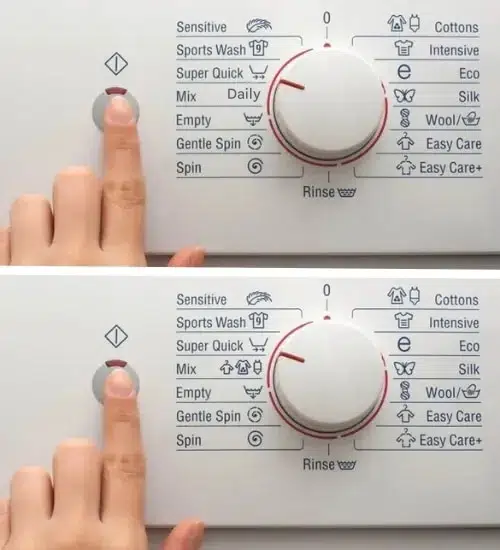
Laundry is an inescapable household chore that everyone manages weekly. In our fast-paced modern lives, convenience rules our choices. When we are in a hurry, running late for work, or trying to quickly wash a favorite outfit, turning the washing machine dial to the “Rapid,” “Express,” or “Super Quick” cycle feels like a brilliant time-saving hack. Earning clean clothes in just 15 to 30 minutes seems too good to be true.
However, convenience often comes with hidden costs. While rapid wash cycles are useful for lightly worn garments in an emergency, relying on them as your primary laundry method can lead to unexpected consequences. From accumulated detergent buildup and lingering odors to accelerated appliance wear and tear, fast cycles often sacrifice cleaning efficiency for speed.
In this comprehensive guide, we will explore why you should reconsider frequent use of the rapid wash cycle, examine the mechanics of fast cycles, look at appliance maintenance costs, and provide practical laundry strategies to keep your clothes fresh and your washing machine running smoothly.
The Mechanics of Rapid Wash Cycles: How Speed Affects Cleaning
To understand why quick cycles are less effective, it helps to examine how standard wash cycles operate compared to rapid settings. A standard wash cycle typically takes anywhere from one to two hours, allocating precise time intervals to soaking, agitating, rinsing, and high-speed water extraction.
Trimming Time at the Expense of Efficiency
When a washing machine runs a rapid cycle (such as a 15-minute or 30-minute wash), it must compress all phases of the wash process into a fraction of the usual time:
- Shortened Soaking Phase: Fabrics receive minimal time to absorb water and allow detergent enzymes to break down stains.
- Aggressive Agitation: To compensate for short durations, machines often increase drum rotation speed or intensity, causing higher friction on delicate fabric fibers.
- Rushed Rinse Cycles: Limited rinsing time leaves behind microscopic soap residues.
3 Major Downsides of Relying on Rapid Wash Cycles
Using express cycles regularly can impact your garments, your washing machine’s internal components, and your overall cleanliness.
                      +---------------------------------------+
                      |       DOWNSIDES OF RAPID WASHES       |
                      +---------------------------------------+
                                          |
         +--------------------------------+--------------------------------+
         |                                |                                |
         v                                v                                v
   [ DETERGENT BUILDUP ]          [ POOR STAIN REMOVAL ]          [ MACHINE WEAR ]
+---------------------+        +---------------------+        +---------------------+
| • Soap left in fabric|       | • Low water temps   |        | • Drum strain       |
| • Skin irritation   |        | • Sweat/oils remain |        | • Mold & odor build |
| • Stiff textures    |        | • Bacteria lingers  |        | • Premature repairs |
+---------------------+        +---------------------+        +---------------------+
1. Incomplete Detergent Rinsing and Soap Buildup
Because rapid cycles feature abbreviated rinsing phases, washing machines often fail to flush out liquid detergent or powder completely. This leftover soap residue clings to clothing fibers, making towels stiff, causing skin irritation for sensitive individuals, and attracting fresh dirt more quickly.
2. Ineffective Stain and Odor Removal
Quick cycles typically operate using cold water and shortened agitation times. While cold water is great for energy savings, it struggles to dissolve body oils, deodorize sweat, or lift stubborn stains. Clothes may look superficially clean, but microscopic bacteria and odors can remain trapped deep within fabric weaves.
3. Increased Strain on Appliance Components
To achieve rapid turnaround times, internal motors and drum suspensions must accelerate and brake much faster than usual. Over time, frequent use of heavy rapid loads places unnecessary mechanical stress on drum bearings and balancing springs.
Financial, Appliance Maintenance, and Energy Considerations
Many consumers choose rapid cycles believing they save significant energy and utility costs, but the financial equation is more complex than it appears.
Energy Efficiency vs. Cleaning Performance
While short cycles use less electricity because the machine runs for a shorter duration, washing clothes inadequately means you may have to re-wash loads or replace prematurely worn garments sooner. Furthermore, soap scum and undissolved detergent buildup can accumulate inside hidden drum chambers, leading to foul odors, mold growth, and expensive appliance repair bills.
Practical Laundry Best Practices for Optimal Clothing Care
Balancing convenience with garment longevity requires adopting smarter everyday washing habits.
+-----------------------------------------------------------------------+
|                    SMART LAUNDRY ROUTINE CHECKLIST                    |
+-----------------------------------------------------------------------+
| STEP 1 : Reserve rapid wash cycles strictly for lightly worn clothes  |
| STEP 2 : Use standard, full-length cycles for heavily soiled laundry  |
| STEP 3 : Measure detergent accurately to prevent soap scum buildup    |
| STEP 4 : Run a monthly high-temp drum cleaning cycle with vinegar     |
+-----------------------------------------------------------------------+
1. Reserve Quick Washes for Emergencies
Save the rapid cycle for single items or lightly worn clothes that only need a quick refresh. For everyday clothing, bedsheets, and towels, choose standard cotton or mixed cycles.
2. Prevent Buildup with Regular Maintenance
Run an empty cleaning cycle once a month at a high temperature (above 60°C / 140°F) using white vinegar or specialized washing machine cleaner to dissolve trapped detergent residue and prevent mold.
Fascinating Facts About Washing Machine Evolution
- Ancient Washing Methods: Before mechanized washers, humans cleaned clothes by beating them against rocks in rivers or using wooden washboards with lye soap.
- First Electric Washer: The first electric washing machine, invented in 1908 by Alva J. Fisher and named “The Thor,” revolutionized household chores by automating drum rotation.
- The Role of Enzymes: Modern laundry detergents contain biological enzymes (like proteases and lipases) that require adequate time in warm water to break down protein stains effectively.
- Water Saving Technology: Advanced modern washing machines use sophisticated weight sensors to adjust water levels and cycle times automatically based on load size.
Conclusion
While the rapid wash cycle is a convenient tool for quick clothing refreshes, relying on it as your default laundry setting can lead to soap buildup, lingering odors, and premature wear on both your wardrobe and your washing machine. By reserving express cycles for emergencies and utilizing standard, full-length cycles for your regular loads, you ensure cleaner clothes, better skin health, and a longer lifespan for your home appliances.
Frequently Asked Questions (FAQ)
Is the rapid wash cycle completely useless?
No. The rapid wash cycle is great for lightly worn garments that just need a quick freshening up, but it should not be used for heavily soiled clothes, towels, or bedding.
Why do my clothes smell musty even after washing on rapid?
Musty odors often happen because rapid cycles use cold water and short wash times, which fail to eliminate trapped body oils, bacteria, and detergent residue effectively.
Does the rapid wash cycle save money on electricity?
While it uses slightly less electricity due to shorter run times, the savings are minimal, and the potential need to re-wash clothes or deal with appliance repairs can outweigh the benefits.
How often should I clean my washing machine drum?
It is recommended to run a hot cleaning cycle (at least 60°C) with vinegar or a specialized machine cleaner once a month to prevent detergent buildup and bad odors.
Can rapid washes damage delicate fabrics?
Ironically, rapid cycles sometimes use more intense agitation to compensate for short durations, which can stress delicate fabrics more than a gentle, standard cycle.
