
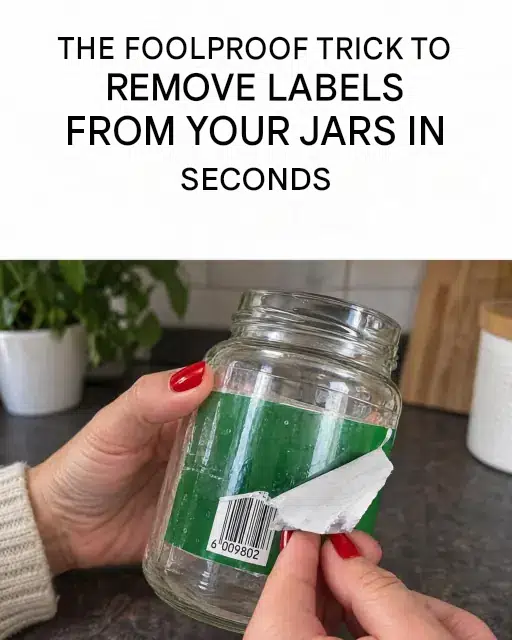
Household organization, zero-waste living, and upcycling empty glass containers have become increasingly popular hobbies. Whether you want to reuse pasta sauce jars for dry pantry goods, store homemade jams, or craft unique decorative pieces, collecting glass containers saves money and reduces waste. However, anyone who has ever tried to repurpose a glass jar knows the universal frustration that comes with stubborn paper labels, sticky acrylic adhesives, and messy glue residue that refuses to wash off with ordinary soap and water.
While many people resort to endless scrubbing, harsh chemical solvents, or steel wool pads that scratch the glass, clever home organizers and DIY enthusiasts have long utilized simple, kitchen-friendly hacks. Understanding the chemistry behind adhesive bonding and thermal expansion can make removing stubborn labels completely effortless.
The Chemistry of Adhesives: Why Labels Stick So Stubbornly
To understand why traditional washing fails to remove certain labels, it helps to examine the types of glues used in commercial packaging.
+-----------------------------------------------------------------------------------+
|                        COMMERCIAL ADHESIVE PROPERTIES                             |
+------------------------------------+----------------------------------------------+
| Adhesive Type                      | Characteristics and Removal Requirement      |
+------------------------------------+----------------------------------------------+
| Water-Soluble Glues                | Dissolve easily when soaked in warm water    |
| Pressure-Sensitive Acrylics        | Require oil or solvents to break bonds       |
| Rubber-Based Resins                | Heat-resistant and stubborn, need scraping   |
| High-Tack Industrial Adhesives     | Form strong molecular bonds requiring heat   |
+------------------------------------+----------------------------------------------+
1. Water-Soluble vs. Permanent Glues
Many food jars utilize water-soluble adhesives that loosen naturally after a brief soak in warm water. However, modern high-speed manufacturing often relies on pressure-sensitive acrylics and rubber-based resins that resist moisture, creating a sticky, paper-torn mess when pulled dry.
2. The Role of Thermal Expansion
Glass and paper expand and contract at different rates when exposed to temperature changes. Utilizing thermal manipulation—such as hot water soaking or steam—weakens the polymer chains in commercial adhesives, allowing the entire label to slide off in a single piece.
Step-by-Step Methods for Effortless Label Removal
Mastering a few foolproof household techniques ensures your repurposed glass jars come out crystal clear and spotless every time.
+-----------------------------------------------------------------------------------+
|                        FOOLPROOF REMOVAL TECHNIQUES                               |
+-----------------------------------------------------------------------------------+
| • The Hot Water Soak: Submerge jars in very hot soapy water for 15 minutes        |
| • The Baking Soda & Oil Scrub: Mix equal parts coconut oil and baking soda       |
| • The White Vinegar Bath: Acidic soak to dissolve stubborn sticky residue       |
| • The Rubbing Alcohol Wipe: Instantly cuts through remaining adhesive traces      |
+------------------------------------+----------------------------------------------+
1. The Hot Water and Dish Soap Method
Filling a clean jar with hot water or submerging it in a basin of steaming soapy water for 10 to 15 minutes softens most paper fibers and dissolves water-soluble backing glues instantly.
2. Eliminating Residual Goo with Natural Oils
For stubborn acrylic residue left behind after peeling the paper, a simple paste made from baking soda and cooking oil (or essential oils) works like magic. Rubbing the mixture onto the sticky spot breaks down the adhesive bonds without scratching the glass surface.
Practical Tips for Upcycling and Organizing Glass Jars
Transforming your kitchen pantry with neatly labeled, uniform glass containers adds both aesthetic charm and functional order to your home.
- Wash Thoroughly Before Storing: Clean jars immediately after emptying them to prevent food odors from settling into rubber seals.
- Remove All Glue Residue: Ensure zero sticky residue remains on the exterior, preventing dust and pantry debris from adhering to your stored jars.
- Label Clearly: Use removable chalkboard stickers or waterproof labels to identify spices, grains, and baking supplies effortlessly.
- Inspect for Chips: Always check glass rims and bases for minor fractures or chips before reusing containers for high-heat canning or food storage.
- Save Lids Separately: Store jars and matching lids together in designated bins to keep your utility cabinets organized.
Surprising Facts About Glass Recycling and Upcycling
- Infinite Recyclability: Glass can be recycled endlessly without any loss in purity or quality, making it one of the most sustainable packaging materials on earth.
- The Origin of Adhesive Science: Modern pressure-sensitive adhesives were developed in the mid-20th century, revolutionizing product labeling across global manufacturing industries.
- Energy Savings in Upcycling: Reusing glass jars at home requires zero industrial energy processing, making personal upcycling even more eco-friendly than commercial recycling.
- Historical Glassblowing: Ancient Phoenicians and Romans utilized early glassblowing techniques to create transportable storage vessels thousands of years ago.
Frequently Asked Questions (FAQ)
What is the fastest way to remove stubborn jar labels?
Soaking the jar in hot, soapy water for 15 minutes or filling it with hot water while soaking it in a warm basin is the fastest way to loosen paper and adhesive.
How do I get rid of the sticky glue residue left on the glass?
Applying a mixture of baking soda and cooking oil, or wiping the residue with rubbing alcohol and a scrub pad, removes stubborn glue in seconds.
Can I put glass jars with labels directly into the dishwasher?
Yes, high-temperature dishwasher cycles often soften labels and wash away loose paper, though extremely stubborn adhesive remnants may require a quick oil scrub afterward.
Will hot water crack cold glass jars?
To prevent thermal shock, avoid plunging ice-cold glass directly into boiling water. Let refrigerated jars warm up to room temperature before adding hot water.
What household items work best to dissolve adhesive?
Cooking oil, baking soda, white vinegar, rubbing alcohol, and nail polish remover are all highly effective household solvents for breaking down sticky label glue.
Nurturing an organized home while discovering clever shortcuts makes daily chores fun and rewarding. Whether you are prepping containers for pantry storage or upcycling jars for creative home decor, mastering simple tricks saves time and frustration.
Stay resourceful, keep your home organized, and share this foolproof cleaning trick with your friends and family!
