
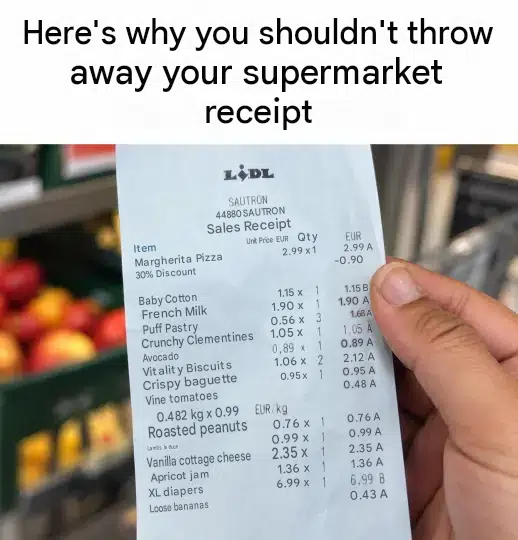
In our fast-paced daily lives, grocery shopping is a routine chore. From grabbing fresh produce and dairy to stocking up on household essentials, millions of people visit supermarkets every week. Once the shopping bags are unpacked and the items are put away, most shoppers absentmindedly crumple up their paper receipt and toss it straight into the trash or leave it at the checkout counter.
However, saving your supermarket receipts can offer surprising financial, organizational, and consumer benefits. Beyond basic budgeting and tracking household expenses, receipts serve as legal proof of purchase, warranty validations, and entry keys for consumer rewards programs. Understanding why keeping your grocery receipts matters can completely change your shopping habits.
The Economics of Shopping: Why Receipts Matter for Budgeting
To understand the practical value of a supermarket receipt, it helps to look at how tracking everyday expenditures impacts personal finance.
+-----------------------------------------------------------------------------------+
|                        FINANCIAL BENEFITS OF RECEIPT RETENTION                    |
+------------------------------------+----------------------------------------------+
| Financial Utility                  | Practical Benefit                            |
+------------------------------------+----------------------------------------------+
| Expense Tracking                   | Accurate monitoring of weekly food budgets   |
| Price Verification                 | Catching scanning errors or incorrect markdowns|
| Return & Exchange Policies         | Providing proof of purchase for damaged goods|
| Tax and Business Deductions        | Documenting qualifying business or meal costs|
+------------------------------------+----------------------------------------------+
1. Catching Pricing Errors and Overcharges
Supermarket checkout systems process thousands of items daily, and pricing errors, missed discounts, or double-scans occasionally happen. Keeping your receipt allows you to review itemized prices against shelf tags immediately, ensuring you were charged correctly.
2. Monitoring Household Food Budgets
Tracking grocery spending is one of the most effective ways to manage household finances. Keeping physical or digital receipts helps families analyze spending patterns, identify unnecessary purchases, and optimize future grocery lists.
Key Reasons to Keep Your Supermarket Receipts
Reviewing the multiple utilities of a grocery receipt reveals why smart shoppers hold onto them rather than throwing them away.
+-----------------------------------------------------------------------------------+
|                        TOP USES FOR SUPERMARKET RECEIPTS                          |
+------------------------------------+----------------------------------------------+
|  1. Verifying promotional discounts and clearance markdowns                       |
|  2. Securing refunds or exchanges for spoiled or defective products               |
|  3. Redeeming store loyalty rewards and cashback app points                       |
|  4. Maintaining accurate household expense records and budgeting                  |
|  5. Claiming manufacturer rebates or product guarantees                           |
|  6. Tracking dietary expenses for health or nutritional goals                     |
|  7. Documenting business-related grocery or catering purchases                    |
|  8. Participating in customer feedback sweepstakes and gift card giveaways      |
|  9. Returning non-food household items with strict return windows                |
| 10. Managing shared household or roommate grocery splitting                       |
+------------------------------------+----------------------------------------------+
1. Product Returns and Quality Guarantees
If you purchase perishable goods—such as meat, dairy, or produce—that turn out to be spoiled or defective, most supermarkets require a receipt to process a full refund or exchange.
2. Cashback Apps and Loyalty Rewards
Many modern shoppers use receipt-scanning mobile applications to earn gift cards, cash back, or loyalty points simply by photographing their grocery purchases after a trip.
Practical Tips for Managing and Organizing Receipts
Keeping your receipts organized prevents clutter while ensuring you retain important financial records.
- Digitize Your Receipts: Use mobile scanning apps to take photos of paper receipts, creating a searchable digital archive.
- Designate a Storage Space: Keep a small envelope, folder, or receipt box in your kitchen or car specifically for grocery receipts.
- Review Before Discarding: Spend two minutes scanning your receipt for pricing errors before tossing or filing it away.
- Know Return Windows: Keep grocery receipts for at least a week or until perishable items are fully consumed.
- Protect Thermal Paper: Store paper receipts away from direct sunlight and heat to prevent the printed thermal text from fading.
Surprising Facts About Supermarket Receipts and Retail History
- Thermal Paper Technology: Most modern supermarket receipts are printed on thermal paper that reacts to heat rather than ink, which is why exposure to sunlight causes them to fade.
- The Invention of the Cash Register: The mechanical cash register was invented in the late 19th century primarily to prevent employee theft and automatically print paper transaction records.
- Environmental Initiatives: Many major retail chains are transitioning toward digital e-receipts sent directly via email or text to reduce paper waste.
- Consumer Protection Laws: In many jurisdictions, consumer protection regulations require stores to honor returns or fix pricing discrepancies when valid proof of purchase is provided.
Frequently Asked Questions (FAQ)
Why should I keep my supermarket receipts?
Keeping receipts helps you catch pricing errors, secure refunds for spoiled food, track household grocery budgets, and earn rewards through cashback apps.
How long should I keep grocery receipts?
For standard groceries, keeping receipts for 1 to 2 weeks is usually sufficient. For non-food items, appliances, or tax-deductible purchases, keep them longer according to warranty or tax guidelines.
Why do supermarket receipts fade over time?
Most receipts are printed on thermal paper that uses a heat-sensitive chemical coating, causing the text to fade when exposed to light, heat, or plasticizers.
Can I use a digital photo of a receipt for grocery returns?
Many supermarkets accept clear digital photos of receipts via mobile apps or store accounts, though physical paper receipts are still universally preferred for quick customer service.
How can I stop paper receipt clutter?
Transitioning to digital e-receipts offered by supermarkets or using a mobile receipt-scanning app keeps your finances organized without piling up paper clutter.
Conclusion
A simple supermarket receipt is much more than a discarded slip of paper; it is a valuable tool for budgeting, consumer protection, and financial organization. By taking a few extra seconds to review and store your receipts, you can save money, catch errors, and manage your household more efficiently.
Stay organized, shop smart, and share this clever receipt tip with your friends and family!
