
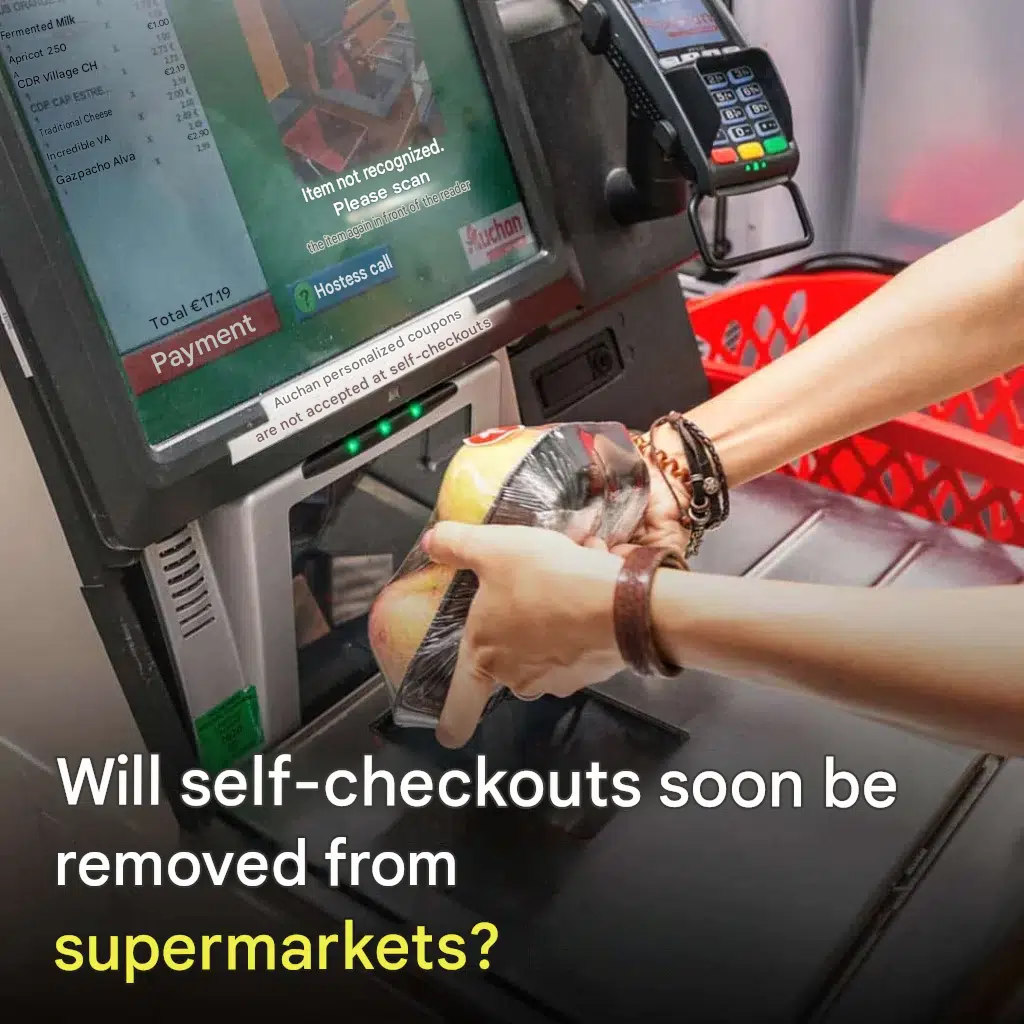
Over the past two decades, self-checkout kiosks have become a ubiquitous feature in supermarkets, grocery stores, and retail chains worldwide. Designed to streamline the shopping experience, reduce wait times, and lower labor overhead for businesses, self-service checkouts promised a fast and efficient way to buy everyday goods. However, a growing debate has emerged across the retail industry as several major supermarket chains begin re-evaluating, scaling back, or outright removing self-checkout lanes.
Understanding the reasons behind this shift requires examining retail operational efficiency, inventory shrinkage, consumer preferences, and the financial and legal protections that govern modern commerce.
This comprehensive guide explores the rise and challenges of self-checkouts, theft prevention strategies, retail technology trends, financial planning, and consumer rights.
The Rise and Challenges of Self-Checkout Systems
To understand why some supermarkets are reconsidering automated checkout stations, it is helpful to look at both their initial appeal and their mounting operational drawbacks.
Why Supermarkets Adopted Self-Checkouts
- Speed and Efficiency: Allowing customers to scan and bag their own items helps process quick shopping trips without waiting in long cashier lines.
- Labor Cost Reduction: Automated lanes enable a single staff member to monitor four to six stations simultaneously, reducing operating expenses.
- Consumer Autonomy: Many shoppers prefer the independence and speed of managing their own transactions.
The Drawbacks: Shrinkage and Theft
Despite the operational benefits, retailers have faced significant challenges with self-checkouts:
- Inventory Shrinkage: Studies show that stores utilizing self-checkout lanes experience higher rates of inventory loss—known as “shrinkage”—due to accidental non-scanning, item switching, or intentional theft.
- Customer Friction: Technical glitches, unreadable barcodes, and frequent system prompts requiring staff assistance (“unexpected item in bagging area”) can turn a fast process into a frustrating experience.
Retail Technology Trends and Loss Prevention
To combat inventory loss while maintaining checkout efficiency, supermarkets are investing in advanced retail technologies and security measures.
                  [ Retail Self-Checkout Challenges ]
                                    │
                                    ▼
                [ Inventory Shrinkage & System Friction ]
                                    │
  ┌─────────────────────────────────┼─────────────────────────────────┐
  ▼                                 ▼                                 ▼
[AI-Powered Weight Sensors]   [Smart Video Monitoring]   [Hybrid Checkout Models]
  │                                 │                                 │
  └─────────────────────────────────┼─────────────────────────────────┘
                                    │
                                    ▼
                  [ Enhanced Retail Security & Efficiency ]
1. AI-Powered Weight Sensors and Cameras
Modern self-checkout kiosks increasingly incorporate artificial intelligence, weight verification matrices, and overhead computer vision cameras to detect whether the item scanned matches the item placed in the bagging area.
2. Returning to Hybrid Models
Rather than completely eliminating self-checkouts, many major grocery chains are moving toward a hybrid model—retaining express self-service lanes for basket-only shoppers while reintroducing traditional, staffed cash registers for larger grocery orders.
+-------------------------------------------------------------------+
|               Supermarket Checkout Evolution Factors              |
+-------------------------+-----------------------------------------+
| Consideration           | Industry Trend                          |
+-------------------------+-----------------------------------------+
| Theft Prevention        | Integration of AI cameras and weight checks|
| Customer Service        | Reintroducing staffed cashiers for large orders|
| Labor Allocation        | Balancing automation with human assistance|
| Loss Mitigation         | Stricter receipt-check and exit protocols|
+-------------------------+-----------------------------------------+
Financial Planning, Insurance, and Consumer Rights
Navigating retail changes also involves understanding the broader financial and legal implications for businesses and consumers alike.
Business Insurance and Shrinkage Protection
For supermarket owners and retail corporations, inventory losses directly impact profit margins. Comprehensive business insurance policies and retail loss-prevention programs help mitigate the financial fallout of retail theft, though stores ultimately rely on tight operational security to protect their bottom line.
Consumer Rights and Payment Options
As checkout technology evolves, consumer advocacy groups emphasize the importance of maintaining accessible payment options—including cash handling and staffed registers—to ensure that all shoppers, including elderly customers or those less comfortable with digital interfaces, can complete their purchases comfortably.
Fascinating Facts About Retail History
- The First Grocery Scanner: The very first product ever scanned using a barcode at a supermarket checkout was a pack of Wrigley’s Juicy Fruit chewing gum at Marsh Supermarket in Troy, Ohio, on June 26, 1974.
- The Evolution of Cash Registers: Invented in 1879 by James Ritty, the mechanical cash register was originally designed to prevent tavern employees from stealing cash from the register drawer.
- Global Cashless Trends: Several countries are rapidly approaching fully cashless retail environments, transforming how automated kiosks and payment terminals process daily transactions.
Conclusion
While self-checkouts will likely not vanish entirely from supermarkets, their role is undergoing a significant transformation. Driven by concerns over inventory shrinkage, customer friction, and technological advancements, retailers are refining their approach by combining automated express lanes with traditional staffed registers. By balancing efficiency with robust loss prevention and customer service, supermarkets can meet the demands of modern shoppers safely and effectively.
Frequently Asked Questions (FAQ)
Are supermarkets actually removing self-checkout lanes?
While some major retail chains have scaled back or removed self-checkout stations in select high-theft locations, many are instead adopting hybrid models that combine express self-service with traditional cashiers.
Why are self-checkouts associated with higher theft rates?
Self-checkouts increase opportunities for “shrinkage” due to accidental scanning errors, skipped items, or intentional shoplifting that bypasses human cashier oversight.
How do stores prevent theft at self-checkout kiosks?
Retailers use a combination of AI-powered overhead cameras, weight-sensitive bagging scales, receipt-checking protocols, and employee monitoring to deter and detect theft.
Will traditional cashiers make a comeback in grocery stores?
Many supermarkets are reintroducing traditional staffed checkout lanes to accommodate shoppers with large cart orders and to improve overall customer satisfaction.
How do retail security measures impact consumer checkout times?
While added security checks and AI verification can sometimes introduce brief pauses, they help stores keep prices stable by reducing inventory losses.
