
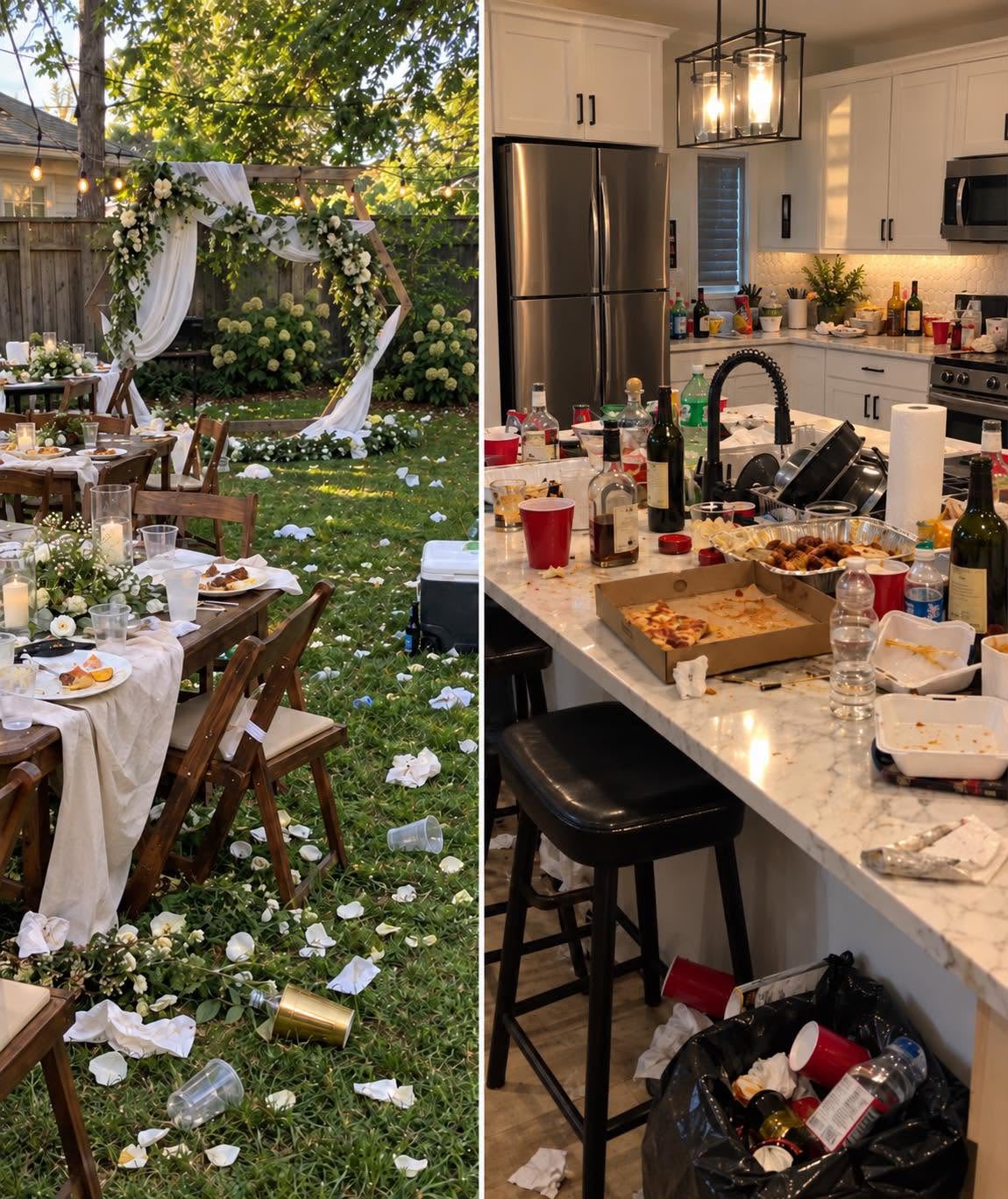
Hosting a milestone celebration—whether it is an intimate backyard wedding, a lively anniversary dinner, or a festive family gathering—is a wonderful way to bring loved ones together. Creating unforgettable memories in the comfort of your own home provides a personal touch that commercial venues often lack. However, once the last guest leaves and the ambient string lights dim, hosts are frequently left facing an overwhelming scene: messy lawns, littered floral decor, food packaging scattered across countertops, and hours of cleanup.
Beyond the immediate physical labor required to restore order, hosting large gatherings involves significant financial considerations. From understanding property damage coverage to managing event budgets and liability, knowing how to plan efficiently can protect both your home environment and your financial peace of mind.
The True Effort Behind Private Event Hosting
While social media feeds showcase picture-perfect tablescapes and beautifully lit garden archways, the reality of event aftermath requires substantial preparation and strategy. Managing large groups on residential property impacts both outdoor landscapes and indoor living spaces.
Outdoor Lawn and Garden Recovery
Backyard setups featuring wooden dining tables, floral arches, and heavy foot traffic can take a toll on residential lawns. Scattered flower petals, dropped plastic cups, overturned glassware, and compressed turf are standard post-party realities. Without immediate cleanup, outdoor debris can damage grass, attract unwanted pests, and ruin garden beds.
Kitchen and Indoor Countertop Chaos
Indoor gathering spaces—especially kitchen islands and bar areas—often become dumping grounds for discarded pizza boxes, leftover catering trays, half-empty wine bottles, and single-use plastic cups. Tackling grease, sticky spills, and overflowing trash bags requires systematic organization to prevent long-term damage to marble, granite, or wooden countertops.
Financial Considerations: Insurance, Liability, and Event Budgets
Hosting events at home seems like a smart way to save money compared to renting expensive commercial venues. However, unbudgeted risks and potential property damage can quickly turn a budget-friendly gathering into an expensive ordeal.
Homeowners Insurance and Social Host Liability
When guests gather on your property, social host liability becomes an essential legal concept to understand. If a guest trips over outdoor furniture, slips on a spilled drink, or suffers an injury on your premises, you could be held legally responsible for medical expenses. Reviewing your homeowners insurance policy to ensure adequate personal liability coverage—or securing temporary event umbrella insurance—is a critical protective measure.
Protecting Your Property Investment
Excessive foot traffic, liquid spills on hardwood or natural stone counters, and outdoor lawn damage can lead to costly repairs. Investing in protective counter covers, professional lawn care treatments, or specialized residential cleaning services helps safeguard your home’s long-term resale value.
Practical Tips for Effortless Post-Party Cleanup
- Set Up Designated Trash and Recycling Stations: Place large, clearly labeled trash cans and recycling bins near high-traffic indoor and outdoor areas to encourage guests to discard their own trash during the event.
- Protect Countertops and Surfaces: Use heavy-duty plastic or silicone mats underneath food trays, beverage dispensers, and wine bottles to stop dark liquids and grease from staining natural stone or wooden surfaces.
- Prep the Kitchen Before Guests Arrive: Empty the dishwasher, clear all kitchen sink basins, and line trash cans with heavy-duty bags prior to the event to make end-of-night cleanup fast and seamless.
- Hire Local Event Cleaners: Budget for a professional post-event cleaning crew or hiring helper staff for two hours at the end of the night so you can rest and enjoy your party.
- Opt for Eco-Friendly Disposable Dinnerware: Use compostable or recyclable palm leaf plates, wooden utensils, and sturdy paper cups to eliminate endless piles of dishwashing while minimizing environmental waste.
Interesting Facts About Event Hosting and Cleanup
- The Plastic Waste Factor: Private social gatherings generate an average of 2 to 3 pounds of waste per attendee, mostly consisting of single-use cups, paper napkins, and food packaging.
- Lawn Recovery Time: Compressed turfgrass subjected to heavy party foot traffic typically takes between 7 to 14 days of proper watering and aeration to fully recover its lush appearance.
- Professional Cleaning Growth: Residential post-event cleaning services have grown significantly in popularity as homeowners choose to prioritize stress reduction over manual labor.
Conclusion
Hosting a stunning event at home creates cherished memories, but managing the aftermath requires practical planning, clear budgeting, and effective cleanup strategies. From messy lawns and cluttered kitchen counters to managing host liability risks, being prepared allows you to navigate the post-party chaos smoothly.
By protecting your home surfaces, ensuring comprehensive homeowners insurance coverage, and setting up efficient waste systems, you can host memorable celebrations without destroying your home or bank account. Plan smart, protect your property, and enjoy the celebration.
Frequently Asked Questions (FAQ)
Does homeowners insurance cover injuries that happen during a home party?
Yes, most standard homeowners insurance policies include personal liability coverage that helps pay for medical expenses if a guest is accidentally injured on your property. However, coverage limits vary, so reviewing your policy beforehand is recommended.
How can I protect my lawn from damage during an outdoor event?
To protect your lawn, place temporary interlocking event flooring or outdoor rugs under high-traffic dining tables and bar areas, and avoid hosting heavy setups on wet, freshly watered grass.
Is hiring a professional post-party cleaning service worth the cost?
For events with more than 20 to 30 guests, hiring a post-event cleaning service is often worth the investment. It saves hours of manual labor, handles deep sanitization, and allows hosts to recover without facing overwhelming mess the next morning.
