
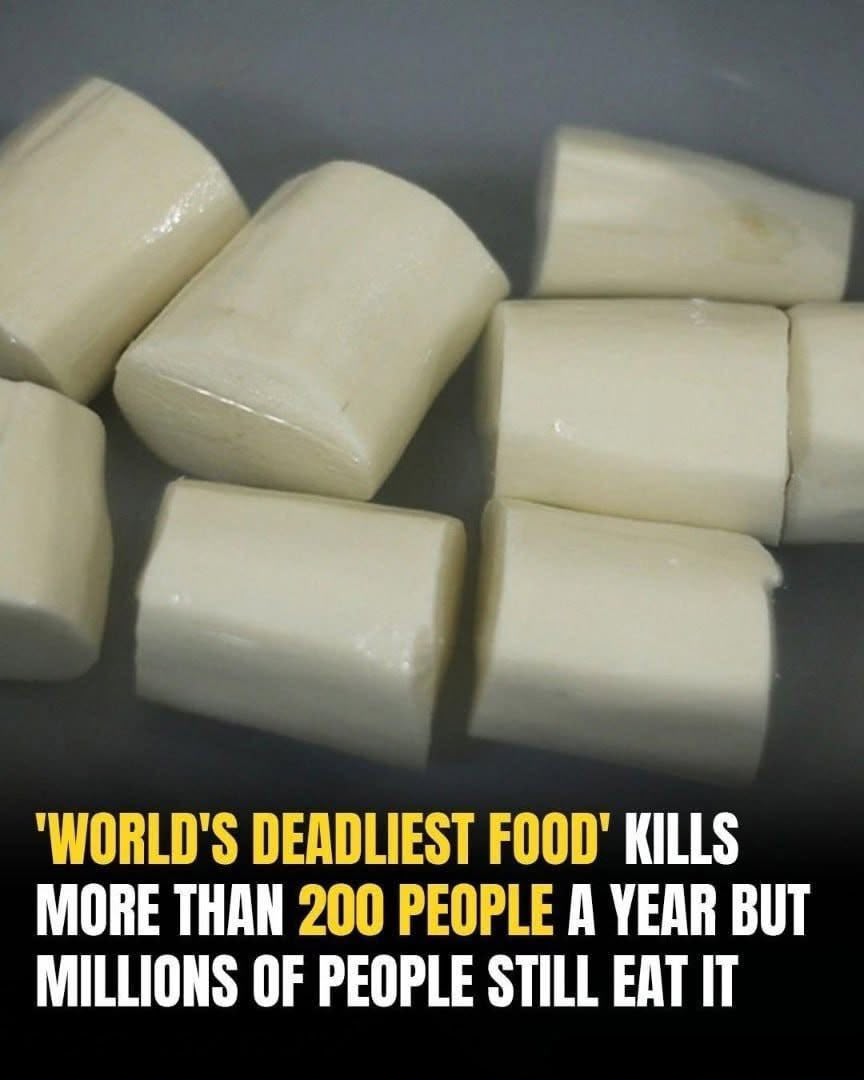
Food culture around the globe is rich, diverse, and deeply rooted in history. From spicy delicacies to everyday root vegetables, what we eat nourishes us and connects us to centuries of agricultural tradition. However, certain widely consumed staples contain naturally occurring compounds that require proper processing before they are safe to consume. Among these, cassava—a essential crop for over 800 million people worldwide—frequently makes headlines due to its unique botanical properties and raw toxicity.
Understanding culinary safety, agricultural traditions, and proper food preparation methods helps demystify exotic ingredients while keeping your family healthy. Furthermore, learning about food security and global health protection highlights how nutrition, public health infrastructure, and medical insurance play crucial roles in maintaining community health.
What Is Cassava and Why Is It So Widely Consumed?
Cassava, also known as yuca, manioc, or tapioca root, is a starchy root vegetable native to South America that is now cultivated extensively across tropical regions in Africa, Asia, and Latin America. It serves as a primary source of dietary carbohydrates for hundreds of millions of people, particularly in developing economies where drought-resistant crops are vital for survival.
The root is exceptionally resilient. It thrives in poor soil conditions, requires minimal rainfall, and can remain stored underground for months after reaching maturity. This makes cassava an irreplaceable staple food, preventing famine and providing energy to low-income farming communities.
The Toxicology of Raw Cassava: Understanding Cyanogenic Glycosides
Despite its massive dietary importance, raw cassava contains naturally occurring plant toxins known as cyanogenic glycosides, specifically linamarin and lotaustralin.
When raw cassava tissue is crushed, chewed, or damaged, endogenous enzymes break down these glycosides into hydrogen cyanide—a potent chemical compound that interferes with cellular respiration. Consuming raw or improperly processed cassava can lead to acute cyanide poisoning, severe neurological disorders such as tropical ataxic neuropathy, or even death in extreme cases.
Bitter vs. Sweet Cassava Varieties
Botanic classification generally divides cassava into two primary categories based on toxicity levels:
- Sweet Cassava: Contains lower levels of cyanogenic glycosides, concentrated mainly near the outer skin. It requires simple peeling and thorough cooking before eating.
- Bitter Cassava: Contains significantly higher concentrations of cyanogenic compounds distributed throughout the entire root. Bitter cassava must undergo extensive multi-step processing—including grating, soaking, fermenting, and drying—to leach out the cyanide before it is safe for consumption.
How Traditional Processing Makes Cassava Completely Safe
For centuries, indigenous communities developed sophisticated processing techniques to render both sweet and bitter cassava completely safe to eat. These traditional methods remain standard culinary practices today.
Peeling and Washing
The thick outer bark and inner skin contain the highest concentration of toxic compounds. Peeling the root deeply and washing it under running water eliminates a significant portion of the cyanogenic glycosides.
Soaking and Fermentation
Soaking peeled cassava roots in water for several days initiates natural enzymatic fermentation. This process activates endogenous plant enzymes that break down cyanogenic compounds into volatile hydrogen cyanide gas, which safely evaporates into the air.
Grating and Pressing
Grating cassava breaks open cellular structures, bringing cyanogenic glycosides into contact with enzymes that convert them into gas. The grated pulp is then pressed in woven sacks to drain away liquid containing dissolved toxins.
Cooking and Drying
Heat destroys the toxicity of remaining cyanogenic compounds. Boiling, baking, roasting, or sun-drying processed cassava flour ensures that the final food product—such as tapioca, farofa, or cassava bread—is thoroughly cooked and safe for consumption.
Health Insurance, Healthcare Costs, and Public Safety
Food safety education is a cornerstone of preventative medicine and public health administration. Accidental poisonings or severe foodborne illnesses can lead to urgent hospitalization, intensive care unit monitoring, and unexpected medical bills.
Navigating emergency health events underscores the necessity of having reliable health insurance, life insurance protection, and accessible medical services. Public health initiatives, educational outreach, and government agricultural guidelines work together to minimize food-related health emergencies and lower long-term clinical costs for families.
Practical Kitchen Tips for Safely Preparing Starchy Roots
- Never Eat Cassava Raw: Always cook starchy roots thoroughly; never sample raw cassava pulp or batter during food preparation.
- Peel Generously: Remove both the fibrous outer brown bark and the thick white or pinkish inner skin layer entirely.
- Boil in Plenty of Water: Submerge peeled cassava chunks in boiling water until fully tender, discarding the cooking liquid completely afterward.
- Incorporate Protein in Your Diet: A protein-rich diet aids the liver in detoxifying low levels of dietary cyanide through sulfur amino acid pathways.
- Buy Processed Products from Trusted Brands: Purchase commercial tapioca pearls, cassava flour, and chips from certified food manufacturers that follow strict quality control standards.
Fascinating Culinary Facts About Cassava
- Versatile Tapioca: Tapioca pearls used in popular bubble tea drinks are derived entirely from refined cassava starch that has been safely processed.
- Drought Resistance Hero: Cassava plants can withstand severe drought conditions that destroy most other staple cereal crops like maize and wheat.
- Industrial Utility: Beyond food, cassava starch is widely used in paper manufacturing, textiles, biofuel production, and eco-friendly biodegradable packaging.
Conclusion
While raw cassava contains toxic defense mechanisms, traditional culinary practices render it a safe, nutritious, and essential global staple. Recognizing how proper peeling, soaking, and thorough cooking neutralize natural plant toxins transforms a potential health hazard into a valuable dietary foundation.
Understanding food preparation and respecting dietary safety precautions help protect your family’s daily health. Paired with adequate health insurance coverage and sound wellness habits, informed choices ensure you enjoy diverse global foods safely and confidently.
Frequently Asked Questions (FAQ)
Is cassava flour bought at the grocery store safe?
Yes. Commercially sold cassava flour and tapioca products undergo industrial processing, heat treatment, and quality testing to ensure all cyanogenic glycosides are safely removed.
What are the symptoms of acute cyanide poisoning from raw cassava?
Early symptoms include rapid breathing, severe dizziness, headache, nausea, vomiting, confusion, and elevated heart rate. Immediate emergency medical intervention is required.
Can boiling sweet cassava alone make it completely safe?
Yes. Sweet cassava varieties have low toxin levels concentrated near the skin. Peeling the root deeply and boiling it thoroughly renders it completely safe to eat.
