
In the digital age, clever vanity license plates, optical illusions, and visual puzzles have become an undeniable staple of social media feeds. Every single day, millions of users stop scrolling to examine photos of unusual car tags, decode hidden acronyms, or share funny roadside discoveries with friends.
What is the psychology behind our fascination with visual trickery, and how do clever car plates intersect with humor, digital culture, and everyday entertainment? This comprehensive guide explores the mechanics of viral images, the appeal of double entendres, and why hidden license plate jokes capture our collective attention.
The Power of Visual Puzzles and Context
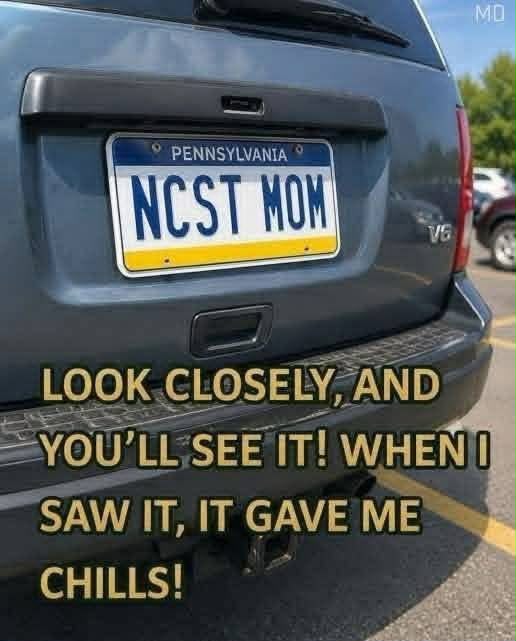
When people encounter an intriguing photo of a vehicle feature—such as a Pennsylvania license plate reading “NCST MOM” accompanied by a dramatic caption claiming it gives people chills—it immediately triggers curiosity and a closer visual inspection.
1. The Mechanics of Dual-Meaning Text
Many viral images rely on linguistic ambiguity or visual misdirection to engage the viewer’s brain.
- Spotting Hidden Patterns: When a phrase like “NCST MOM” is viewed quickly, readers naturally attempt to decode the letters, sometimes reading them phonetically or looking for a clever double meaning (such as “Naked Mom” when read aloud or interpreted playfully).
- The Element of Surprise: Photos that tease a shocking or chilling reveal encourage users to look closer, driving high engagement and comment discussions as people share what they noticed.
2. The Dopamine of Discovery
Puzzles and visual teasers are engineered to reward the viewer once the underlying joke or detail is spotted.
- Interactive Viewing: Unlike passive text posts, images with hidden details invite active participation, making the viewer feel rewarded upon figuring out the joke.
- Viral Sharing Dynamics: Because the “discovery” factor is fun to pass along, users frequently tag their friends with prompts like “Look closely!” or “Took me a second!”.
H2: The Broader Impact: Humor, Digital Culture, and Publishing
While funny vanity plates look like simple roadside snapshots, they connect deeply to broader themes of internet culture and audience entertainment.
H3: Fostering Online Community Through Humor
Shared laughter and lighthearted surprises help build connected digital communities.
- Relatable Reactions: Puns, unexpected acronyms, and clever car tags provide a cheerful break from heavy news cycles, offering universal amusement.
- Engaging the Comment Section: Playful visual mysteries naturally encourage users to leave comments explaining the joke, debating interpretations, or sharing their own funny plate sightings.
H3: The Financial and Practical Side of Content Creation
Understanding what amuses audiences ties directly into business, digital publishing, and online community building.
- Engagement Metrics: Content featuring quirky everyday visuals reliably drives high click-through rates, shares, and long comment threads.
- Balancing Entertainment: Creators use lighthearted imagery to maintain an engaging, vibrant feed that keeps followers returning daily.
H2: Practical Tips for Spotting and Enjoying Roadside Humor
If you love finding clever license plates and visual puzzles online or on the road, use this step-by-step approach:
- Examine Text Phonetically: When looking at short vanity plates, try sounding out the letters and numbers to catch hidden puns or clever abbreviations.
- Look for Context: Pay attention to surrounding elements, state markers (like Pennsylvania), and imagery to fully appreciate the joke.
- Share the Fun: Tag friends in the comments who enjoy witty wordplay or optical illusions.
- Keep It Light: Remember that most quirky vanity plates are intended as harmless humor and playful self-expression by drivers.
H2: Interesting Facts About Vanity Plates and Visual Puzzles
- History of Vanity Plates: Personalized license plates date back to 1903 in دول (countries like the United States and various European nations), allowing drivers to customize their vehicle identification.
- Strict DMV Regulations: State departments of motor vehicles review custom plate requests closely to block offensive language, ensuring vanity plates remain appropriate for public roads.
- Viral Appeal: Photos highlighting funny text misinterpretations consistently achieve massive reach on social platforms because they require zero translation and offer instant humor.
- The Brain’s Pattern Recognition: Human brains are hardwired to scan text and images for familiar patterns, which is why we instantly try to decode ambiguous abbreviations on license plates.
Conclusion
Clever license plates and optical illusion photos do much more than decorate the back of a vehicle. They spark curiosity, invite playful debate, and bring communities together through shared laughter. Whether you spotted the hidden joke right away or needed a second look, quirky roadside finds offer a fun mental break during a busy day.
Take another close look at the plate, share a laugh, and enjoy the lighter side of digital media!
FAQ Section
Q1: What does the license plate in the image say?
A: The Pennsylvania license plate reads “NCST MOM”, which often catches people’s attention due to its phonetic wordplay.
Q2: Why do posts about quirky license plates go viral on social media?
A: They act as mini visual puzzles that invite viewers to look closer, decode the text, and share their reactions in the comments.
Q3: Are personalized license plates allowed in every state?
A: Yes, most states offer personalized or vanity license plates, subject to availability and strict state-level screening guidelines to prevent inappropriate language.
Q4: How do optical illusion photos affect viewer engagement?
A: Photos that require a second look naturally increase dwell time and prompt users to comment, tag friends, or debate what they see.
Q5: What is the best way to enjoy funny roadside content online?
A: Approach them with a sense of humor, read the comment threads to see what others noticed, and share your favorite discoveries with friends!
