
Achieving healthy, radiant skin is a universal goal that spans cultures and generations. From the moment we wake up to our evening winding-down routines, our skin acts as a primary protective barrier against environmental stressors, pollution, and the natural passage of time. For millions of people, navigating the vast world of skincare products—ranging from modern cosmetic formulations to time-tested traditional remedies—can feel overwhelming.
Understanding how skin ages, what ingredients truly support dermatological health, and how daily lifestyle habits impact your complexion is essential for maintaining vitality. Whether you are looking to smooth fine lines, enhance your natural glow, or protect your skin’s elasticity for the long term, mastering the fundamentals of skincare is the key to success.
This comprehensive guide explores the science of skin aging, the role of protective barriers, traditional botanical ointments, and practical daily strategies to keep your skin looking youthful and healthy.
The Science of Skin Aging: Understanding Fine Lines and Elasticity
Skin aging is a natural biological process influenced by a combination of intrinsic (genetic) and extrinsic (environmental) factors. Over time, the structural proteins that give skin its firmness and elasticity—namely collagen and elastin—begin to break down and diminish.
Intrinsic vs. Extrinsic Aging
- Intrinsic Aging: This is the natural chronological aging process determined by your genetics. As you age, cell turnover slows down, natural oil production decreases, and the skin gradually loses its plumpness.
- Extrinsic Aging: This is caused by external factors such as ultraviolet (UV) radiation from the sun, environmental pollution, poor nutrition, smoking, and lack of adequate sleep. Photoaging accounts for a significant portion of visible skin aging, leading to premature wrinkles and uneven pigmentation.
Maintaining a healthy skin barrier requires proper hydration, protection against harsh elements, and ingredients that support moisture retention and cellular repair.
Traditional Botanicals and Protective Ointments
Throughout history, various cultures have relied on specialized topical creams and balms to heal minor skin irritations, protect against harsh weather, and lock in moisture. Classic formulations—such as traditional antiseptic and emollient creams containing botanical extracts, essential oils, and petroleum bases—have been household staples for generations.
The Role of Occlusives and Emollients
Dry skin is more prone to showing fine lines and losing its youthful resilience. Effective skincare often incorporates occlusive agents that form a protective barrier over the skin’s surface, preventing transepidermal water loss and keeping the skin deeply hydrated throughout the day and night.
Practical Tips for Daily Skincare and Youthful Vitality
Transforming your skin health does not require complicated, multi-step procedures. Consistent, everyday habits yield the most radiant results:
- Prioritize Daily Sun Protection: Shield your skin from harmful UV rays by applying a broad-spectrum sunscreen every morning, regardless of the weather.
- Keep Skin Deeply Hydrated: Drink plenty of water and use a quality moisturizer suited to your skin type to maintain elasticity and smoothness.
- Adopt a Gentle Cleansing Routine: Wash your face with a mild, non-stripping cleanser twice a day to remove impurities without damaging the natural lipid barrier.
- Nourish from Within: Eat a balanced diet rich in antioxidants, vitamins C and E, and healthy fats to support collagen production and cellular health.
Interesting Facts About Skin and Aging
- The Body’s Largest Organ: The skin is the human body’s largest organ, accounting for roughly 16% of total body weight and serving as an active immune and sensory shield.
- Rapid Cell Turnover: The outer layer of human skin sheds millions of dead cells every day, completely renewing itself roughly every 28 days in younger adults.
- Historical Skincare: Ancient civilizations utilized natural oils, honey, milk baths, and botanical pastes to maintain soft, youthful skin long before modern cosmetic chemistry emerged.
Conclusion
Achieving and maintaining youthful, healthy skin is a journey of consistent care and mindful habits. By combining an understanding of how skin ages with protective daily routines, proper hydration, and nourishing topical treatments, you can support your skin’s natural resilience. Small, everyday adjustments to your skincare regimen can lead to remarkable long-term vitality and a radiant complexion.
FAQ Section
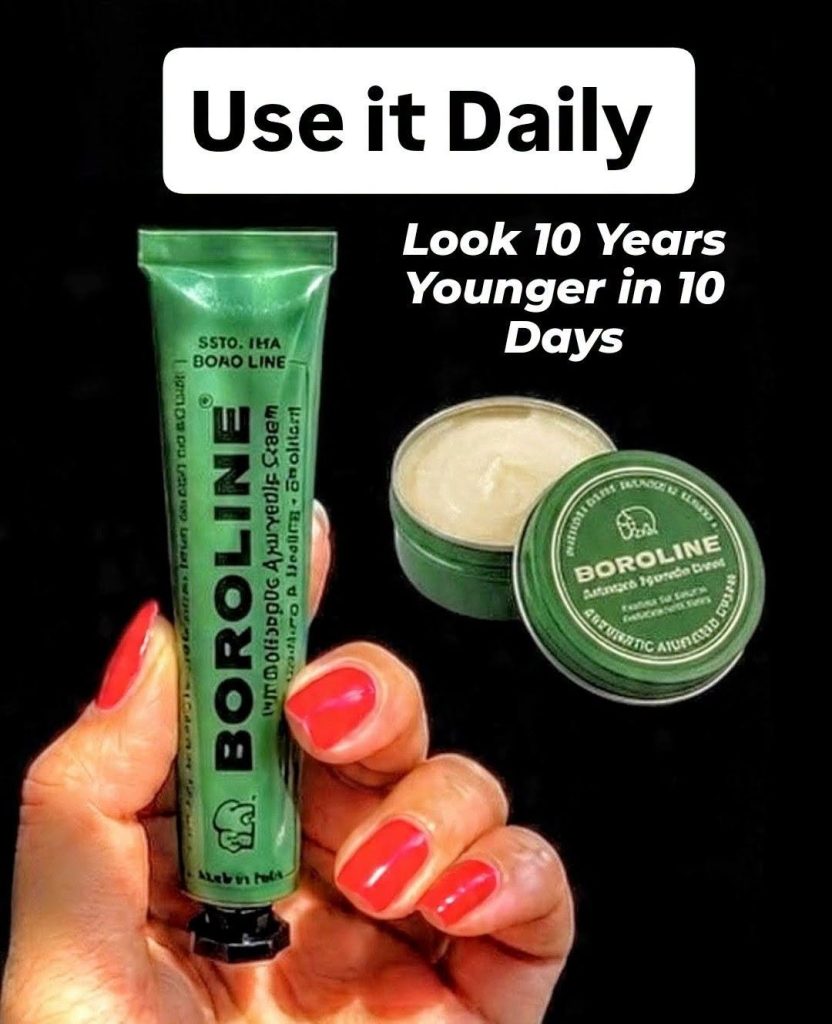
Q: Can a cream really make you look 10 years younger in 10 days? A: While hydrating creams can temporarily plump the skin and reduce the appearance of dryness-related fine lines quickly, true reversal of aging structural changes requires consistent, long-term skincare, sun protection, and healthy lifestyle habits.
Q: What is the most important step in an anti-aging skincare routine? A: Daily sun protection (SPF) is widely considered the most crucial step because UV radiation is the leading cause of premature skin aging, wrinkles, and sunspots.
Q: How often should I moisturize my face? A: It is generally recommended to moisturize at least twice a day—once in the morning and once at night—to lock in hydration and support the skin barrier.
Q: Does drinking water directly improve skin hydration? A: Yes, staying well-hydrated supports overall bodily functions and cellular health, though topical moisturizers are still essential to prevent water loss directly through the skin surface.
Q: What causes fine lines to appear around the eyes and mouth? A: Repeated facial expressions, loss of collagen and elastin over time, sun exposure, and natural dryness contribute to the formation of dynamic and static fine lines.
Q: Are traditional balms good for dry winter skin? A: Yes, heavy emollient and occlusive balms are fantastic for creating a protective barrier against cold, windy weather, locking in moisture, and soothing chapped skin.
