
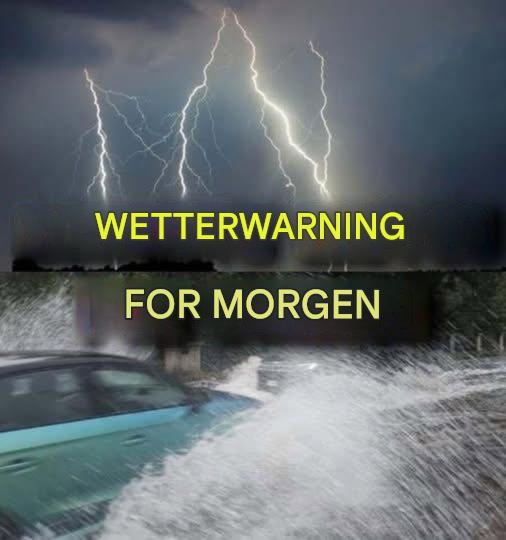
Severe weather can strike with little warning, testing the preparedness of communities, homeowners, and motorists alike. Whether you are tracking sudden summer thunderstorms, heavy rainfall leading to flash floods, or severe winter blizzards, knowing how to interpret official weather alerts is critical for personal safety and property protection.
When meteorological services issue severe weather warnings, they signal imminent danger to life and property. Understanding what these alerts mean, how weather systems form, and what proactive steps you can take can make all the difference during an emergency.
This comprehensive guide explores the science behind severe weather warnings, the risks associated with heavy storms and flooding, emergency preparedness strategies, and practical tips to keep you and your family safe.
The Anatomy of Severe Weather and Warnings
Meteorologists utilize advanced radar, satellite imaging, and atmospheric modeling to track developing storm systems. When atmospheric conditions—such as high humidity, unstable air masses, and strong wind shear—collide, they can produce severe thunderstorms, torrential downpours, and destructive lightning.
Understanding Weather Alert Terminology
- Weather Watch: Indicates that atmospheric conditions are favorable for the development of severe weather in and around a specific area. It serves as an advisory to stay alert and monitor forecasts.
- Weather Warning: Means that severe weather has been reported or indicated by radar. Immediate protective action should be taken because the threat to life and property is imminent.
The Hazards of Heavy Rainfall and Flash Floods
One of the most dangerous aspects of severe weather is rapid accumulation of water resulting in flash floods. Driving through flooded roadways is a leading cause of storm-related fatalities.
The Power of Moving Water
Just a few inches of fast-moving water can sweep a person off their feet, while two feet of rushing water can carry away most vehicles, including SUVs and trucks. When local authorities issue flood warnings, motorists should never attempt to drive across flooded bridges, underpasses, or water-covered roads.
Practical Tips for Severe Weather Preparedness
Being prepared before a storm hits ensures a calmer, safer response during an emergency. Consider these vital preparedness steps:
- Stay Informed: Keep a battery-powered or hand-crank emergency radio handy, and sign up for local government alert notifications on your mobile device.
- Prepare an Emergency Kit: Stock a kit with non-perishable food, bottled water, first-aid supplies, flashlights, extra batteries, and important medications.
- Secure Outdoor Property: Bring in outdoor furniture, loose garden items, and decorations that could become dangerous projectiles in high winds.
- Avoid Travel During Warnings: If a severe weather warning is in effect for your area, stay indoors away from windows, and avoid driving until conditions improve.
Interesting Facts About Meteorology and Storms
- The Speed of Sound and Light: Because light travels faster than sound, you see a lightning flash before you hear the resulting thunder. You can estimate how far away a storm is by counting the seconds between the flash and the thunder and dividing by five.
- Flash Flood Speed: Flash floods can occur within minutes of a torrential rain event, often catching people completely off guard, especially in urban areas with high amounts of impermeable concrete and asphalt.
- Global Weather Tracking: Modern satellite constellations monitor global weather patterns continuously, allowing meteorologists to predict severe storm tracks days in advance.
Conclusion
Severe weather is an unpredictable and powerful force of nature, but staying educated and prepared can significantly reduce risks to safety. By paying close attention to official weather warnings, avoiding dangerous floodwaters, and maintaining an emergency plan, you can protect yourself and your loved ones when severe storms strike.
FAQ Section
Q: What is the difference between a weather watch and a weather warning? A: A watch means conditions are favorable for severe weather to develop, while a warning means severe weather has been detected and immediate action is required.
Q: Is it safe to drive through standing water on a roadway? A: No. It is impossible to accurately gauge the depth of the water or the condition of the road underneath, and moving water can easily sweep a vehicle away.
Q: How can I receive emergency weather alerts instantly? A: You can enable emergency alerts on your smartphone, download trusted weather applications, and monitor local news or national weather service broadcasts.
Q: What should be included in a basic home emergency kit? A: Essential items include water, non-perishable food, a first-aid kit, flashlights, extra batteries, a whistle, and a portable radio.
Q: Why do severe thunderstorms frequently produce lightning? A: Rapidly rising and falling air currents within a storm cloud cause ice particles and water droplets to collide, building up massive electrical charges that discharge as lightning.
Q: What should I do if I am caught outdoors during a lightning storm? A: Seek immediate shelter inside a sturdy building or a hard-topped metal vehicle. Avoid open fields, tall isolated trees, and bodies of water.
