
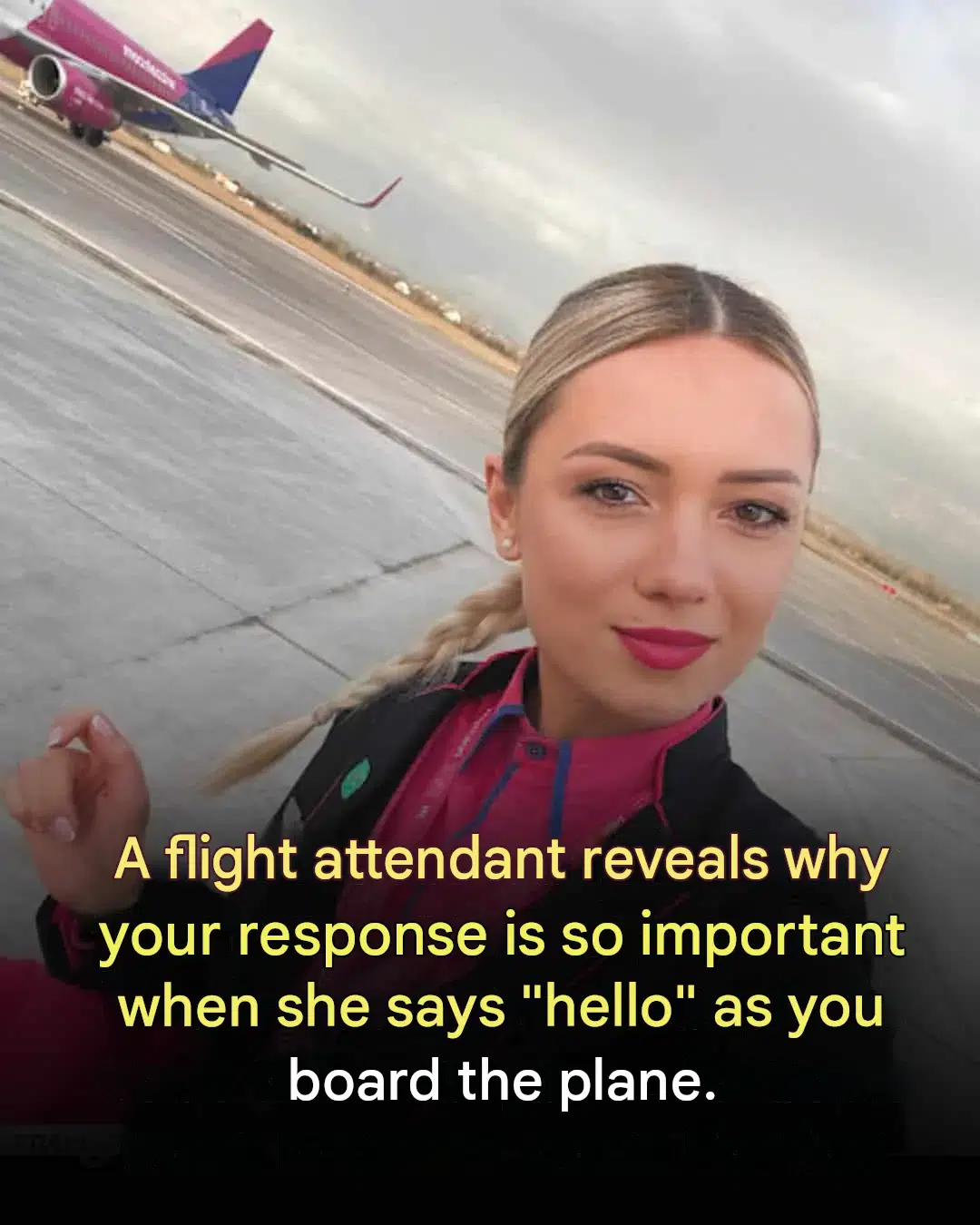
Stepping onto an aircraft and being greeted by a smiling flight attendant at the cabin door is one of the most familiar rituals of air travel. Most passengers simply nod, smile, or offer a quick “hello” before hurrying down the aisle to find their assigned seats and stow their carry-on luggage.
However, that friendly greeting is far more than just polite customer service. Flight attendants are actually performing a critical security assessment during those brief seconds. Understanding why your response matters reveals how cabin crews maintain safety and vigilance from the moment you step on board.
The Hidden Safety Assessment During Boarding
While passengers are focused on finding overhead bin space and settling in, flight attendants are carefully scanning every individual entering the aircraft.
1. Evaluating Passenger Fitness and Health
- Spotting Medical Risks: Flight attendants look for signs of acute illness, extreme fatigue, or medical conditions that could worsen during flight pressure changes.
- Assessing Intoxication: Crew members screen for individuals under the influence of drugs or alcohol, as intoxicated passengers pose severe safety risks at high altitudes and can disrupt emergency evacuations.
2. Identifying Potential Security Risks
- Behavioral Analysis: Listening to your verbal response and observing eye contact helps cabin crew assess nervousness, suspicious behavior, or potential threats to aircraft security.
- Spotting Able-Bodied Helpers: Flight attendants mentally note physically fit, calm passengers seated near emergency exit rows who could assist during an unexpected evacuation.
Financial, Legal, and Aviation Safety Regulations
Aviation safety protocols are strictly regulated by global transport authorities to ensure absolute passenger protection.
Protecting Passengers and Compliance
- Regulatory Mandates: International aviation safety guidelines require flight crews to maintain absolute situational awareness and control over the cabin environment before takeoff.
- Preventing Disruptive Incidents: Catching potential security or behavioral issues at the boarding gate prevents costly flight diversions, emergency landings, and legal penalties for unruly conduct.
Practical Tips for Smooth Boarding and Travel Comfort
Make the boarding process smoother for yourself and the flight crew by following these simple etiquette guidelines:
- Acknowledge the Crew: Offer a clear, polite verbal response when greeted by flight attendants so they can quickly assess your alertness and wellbeing.
- Be Mindful of Aisle Flow: Keep your bags organized and move swiftly down the aisle to prevent bottlenecks during boarding.
- Follow Crew Instructions Immediately: Respect all safety directions given by cabin attendants, as their primary duty is protecting everyone on board.
Fascinating Insights Into Aviation History
- The Evolution of Cabin Crew: In the early days of commercial aviation, flight attendants were exclusively male stewards; the role transformed in the 1930s when registered nurses were hired to reassure nervous passengers.
- The Psychology of Greeting: Studies show that greeting passengers by name or making direct eye contact instantly builds trust and establishes authority, making it easier for crew members to direct passengers during emergencies.
Staying Safe in the Skies
That simple “hello” at the aircraft door bridges friendly customer service with vital aviation security. By understanding the critical safety checks happening behind the scenes, passengers can appreciate the vital role flight attendants play in ensuring safe travels from gate to gate.
Frequently Asked Questions (FAQ)
Why do flight attendants look closely at passengers during boarding?
They are conducting a rapid safety assessment to check for signs of illness, intoxication, nervousness, or suspicious behavior, while also identifying potential helpers for emergency exits.
Does my verbal response to “hello” actually matter?
Yes. A clear, coherent response helps flight attendants verify that you are alert, communicative, and not overly intoxicated or distressed.
How do flight attendants choose who sits in exit rows?
Federal regulations require exit-row passengers to be physically capable, alert, and willing to assist in an emergency, which flight crews assess visually during boarding.
