
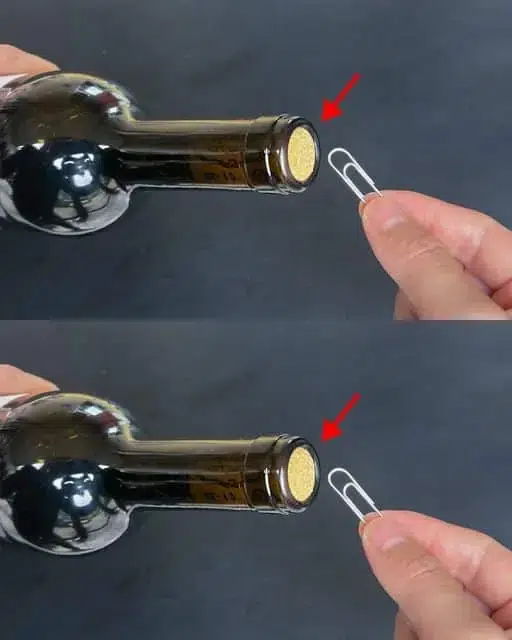
Finding yourself ready to enjoy a relaxing glass of wine only to realize you don’t have a corkscrew is a frustrating dilemma. Whether you are at a hotel room, a picnic, or at home, a missing bottle opener instantly puts a damper on your evening plans. While viral internet hacks and social media tutorials claim you can easily open bottles using unusual tools like a simple paperclip, sorting fact from fiction is essential for avoiding broken glass and messy spills.
Examining alternative bottle-opening methods and understanding the history of wine closures helps you navigate unexpected situations safely while keeping your evening running smoothly.
The Reality of Viral Bottle-Opening Hacks
Social media platforms are filled with clever DIY tricks claiming to solve everyday problems with common office supplies or household items.
1. Can a Paperclip Actually Open a Wine Bottle?
- Physical Limitations: While viral videos make it look effortless, a standard lightweight paperclip lacks the structural rigidity and leverage required to pierce a dense cork and pull it out against the vacuum pressure of a wine bottle.
- Risk of Injury: Attempting to force thin metal wires into a cork often leads to bent clips, slipped grips, and potential hand injuries or chipped bottle glass.
2. Safer Alternative Household Methods
If you are genuinely stuck without a corkscrew, safer methods exist:
- The Screw and Hammer Method: Driving a sturdy drywall screw into the cork with a screwdriver and using the claw end of a hammer for leverage provides a secure grip similar to a waiter’s corkscrew.
- Pushing the Cork In: Using a blunt tool like the handle of a wooden spoon to push the cork directly down into the bottle works in a pinch, though it may splash a small amount of wine.
Financial, Legal, and Consumer Protection Considerations
Managing household tools and entertaining guests involves practical safety and property protection.
Protecting Your Home and Safety
- Avoiding Glass Breakage: Using improper tools like knives or metal rods to force open glass bottles creates severe laceration risks and ruins the bottle.
- Property Preservation: Opening bottles carefully prevents wine stains on countertops, carpets, and clothing, saving you from expensive cleaning or replacement costs.
Practical Tips for Wine Storage and Openers
Keep your entertaining stress-free with these practical guidelines:
- Invest in a Spare Corkscrew: Keep an inexpensive waiter’s friend or winged corkscrew in a kitchen drawer or picnic basket so you are never caught unprepared.
- Check Closures Before Travel: If heading to an outdoor event, opt for twist-off caps or canned wines when possible to eliminate the need for openers entirely.
- Store Wine Properly: Keep wine bottles stored horizontally to keep natural corks moist and expanded, preventing them from shrinking or crumbling upon opening.
Fascinating Insights Into Wine Closure History
- The Dominance of Cork: Natural cork has been used to seal wine bottles for centuries because its elastic cellular structure expands and contracts, creating an airtight seal that allows microscopic amounts of oxygen to age the wine gracefully.
- The Rise of Screw Caps: Invented to eliminate cork taint (a chemical contamination caused by TCA mold), aluminum screw caps are now standard on a massive percentage of global wine production, ensuring flawless freshness.
Enjoying Wine Without the Hassle
While viral internet videos showcasing paperclip wine hacks are entertaining to watch, relying on practical tools or proven alternative methods ensures safety and success. Keep a reliable corkscrew handy, and enjoy your favorite vintage without the unnecessary stress.
Frequently Asked Questions (FAQ)
Can a paperclip really pull out a wine cork?
No. A standard paperclip is far too flexible and lacks the mechanical leverage needed to grip and extract a tightly fitted wine cork.
What is the safest way to open a wine bottle without a corkscrew?
The safest method is using a long wood screw and a pair of pliers or a hammer claw to pull the cork out gradually, mimicking a traditional corkscrew mechanism.
What happens if the cork crumbles inside the bottle?
If a dry or brittle cork breaks apart, you can pour the wine through a fine-mesh cheesecloth or a coffee filter into a decanter to catch any floating debris.
