
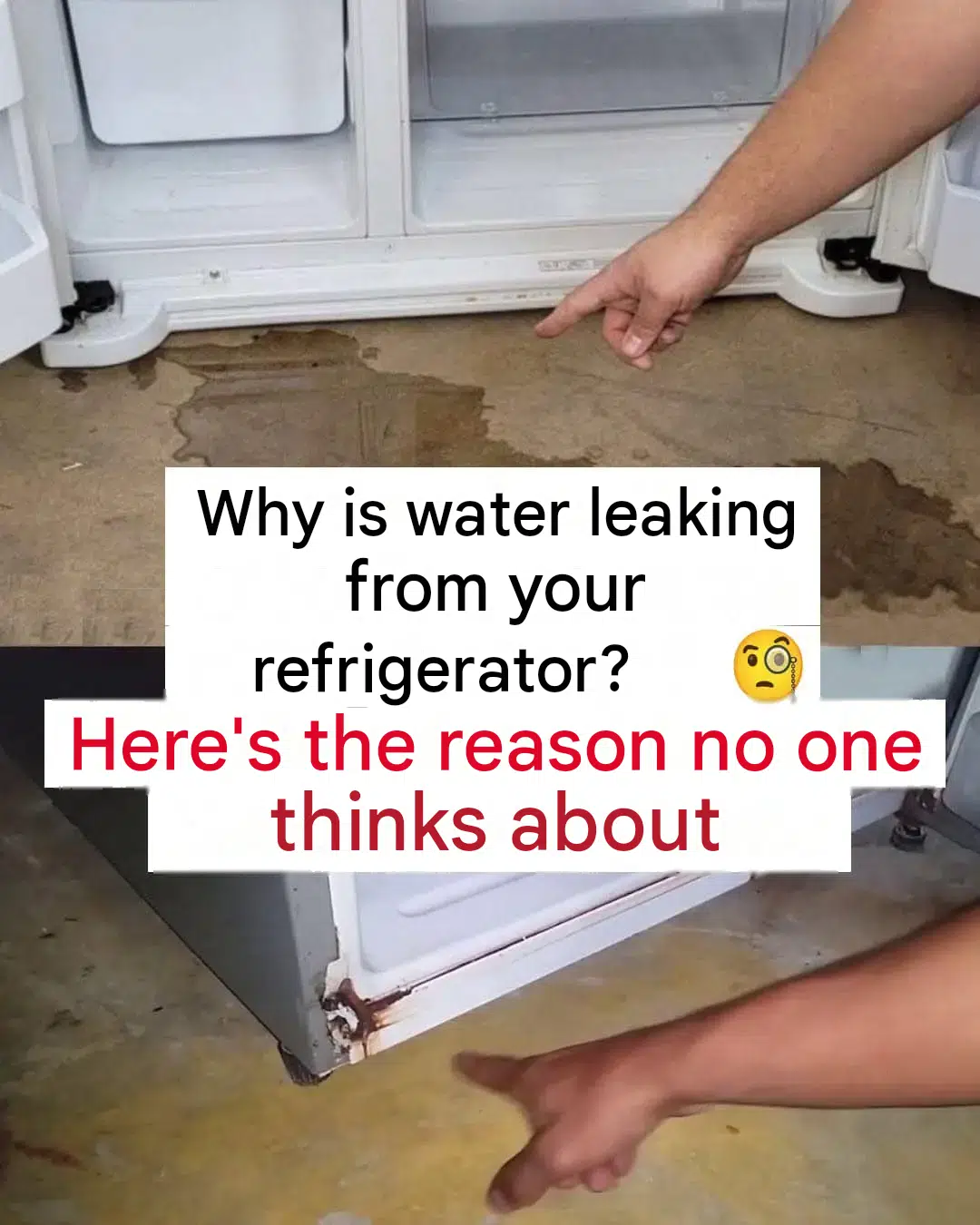
Walking into the kitchen in the morning only to discover an unexpected puddle of water pooling on the floor beneath your refrigerator is an unwelcome surprise. Not only is a leaking fridge messy and frustrating, but standing water can also warp hardwood flooring, ruin vinyl tiles, and create slipping hazards.
While many homeowners immediately panic thinking the appliance has completely broken down, most refrigerator leaks stem from simple, fixable issues. Understanding the hidden causes behind refrigerator leaks and learning how to address them saves you from expensive repair service fees and protects your kitchen flooring.
The Hidden Causes of Refrigerator Leaks
While major issues like a cracked internal water reservoir can occur, most leaks are traced back to a few common culprits.
1. Clogged Defrost Drain
- Ice Buildup and Overflow: Refrigerators feature an automatic defrost cycle that melts frost from the coils. The resulting water flows down a drain hole into a pan underneath the appliance. If food particles, mold, or debris clog this drain line, water backs up, freezes, or spills over into the bottom of the fridge and onto your floor.
- Blocked Air Vents: Overpacking groceries directly against the interior back wall can block proper airflow and drainage paths, causing condensation to pool incorrectly.
2. Worn or Damaged Door Gaskets
- Warm Air Ingress: Rubber magnetic seals (gaskets) around refrigerator and freezer doors keep cold air locked inside. If these seals crack, warp, or accumulate grime, warm outside air enters the cabinet.
- Excessive Condensation: When warm kitchen air meets freezing internal temperatures, heavy condensation forms, melting frost faster than the drain can handle and creating exterior puddles.
3. Misaligned or Defective Water Supply Lines
- Ice Makers and Water Dispensers: If your refrigerator features an automatic ice maker or water dispenser, a loose connection, pinched plastic supply tube, or cracked water filter housing can cause persistent leaks.
Financial, Insurance, and Property Protection Considerations
Addressing a refrigerator leak promptly goes beyond basic convenience; it safeguards your home’s structural integrity.
Protecting Your Flooring and Appliance Investment
- Preventing Subfloor Damage: Water pooling underneath a refrigerator can seep under vinyl or wood flooring, causing rotting, mold growth, and expensive subfloor repairs.
- Home Insurance Claims: Long-term, unnoticed appliance leaks can lead to extensive water damage. Reviewing routine appliance maintenance helps ensure you protect your property against preventable domestic emergencies.
- Extending Appliance Lifespan: Keeping drainage paths clean and replacing worn seals prevents your refrigerator’s compressor from overworking, lowering energy bills and delaying replacement costs.
Practical Tips for Troubleshooting and Fixing Refrigerator Leaks
You can easily resolve many common refrigerator leaks with a few simple maintenance steps:
- Clear the Defrost Drain: Use a small flexible brush or a mixture of warm water and baking soda to flush out debris clogging the interior defrost drain hole.
- Inspect and Clean Door Gaskets: Wipe down the rubber door seals regularly with warm soapy water to ensure a tight, airtight magnetic closure.
- Check Leveling Feet: Ensure your refrigerator is tilted slightly backward rather than forward; this allows gravity to direct melted defrost water toward the rear drain pan instead of spilling out the front doors.
- Examine Water Filter Connections: If you have an ice maker, check that the water filter is installed correctly and that supply lines at the back of the unit are secure.
Fascinating Insights Into Refrigerator Evolution
- The History of Refrigerant Cooling: Early domestic refrigerators invented in the early 20th century utilized toxic gases like ammonia and sulfur dioxide before safer synthetic refrigerants were developed.
- Frost-Free Technology: Modern “frost-free” refrigerators utilize automated electric heating elements that cycle on periodically to melt frost off internal coils, which is why managing the resulting meltwater drainage is so crucial.
- Energy Efficiency Standards: Modern refrigerators are among the most energy-efficient household appliances, running continuously while consuming a fraction of the electricity used by models from decades past.
Keeping Your Kitchen Dry and Efficient
Discovering a leak under your fridge doesn’t have to ruin your day. By understanding how condensation, defrost drains, and door seals interact, you can quickly diagnose the problem, protect your kitchen flooring, and keep your appliance running smoothly.
Frequently Asked Questions (FAQ)
Why is water pooling at the bottom inside my refrigerator?
Water pooling inside the bottom crisper drawers is almost always caused by a clogged defrost drain line, which prevents melted frost from escaping into the evaporation pan below.
How can I tell if my refrigerator door seal is bad?
Perform the “dollar bill test”: close the refrigerator door on a dollar bill so half of it is sticking out. If you can pull the bill out easily without any resistance, your door gasket is worn and needs replacing.
Can a dirty water filter cause a refrigerator to leak?
Yes. If a water filter is clogged, improperly seated, or damaged, water pressure can cause it to leak into the interior compartment or onto the floor.
Should my refrigerator tilt forward or backward?
Your refrigerator should tilt slightly backward. This ensures that the gravity-fed doors close automatically and helps direct internal defrost water toward the back drain hole rather than spilling out the front.
